

Long Drives in Uganda: When to Drive vs When to Fly
February 6, 2026
Why a Professional Guide is Your Most Important Safari Investment
February 6, 2026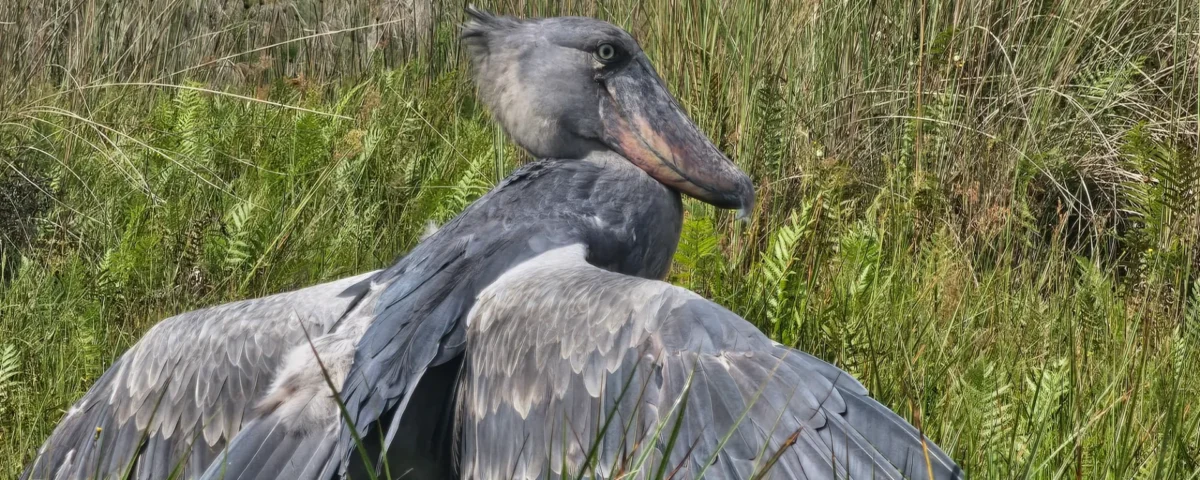
Birding in Uganda
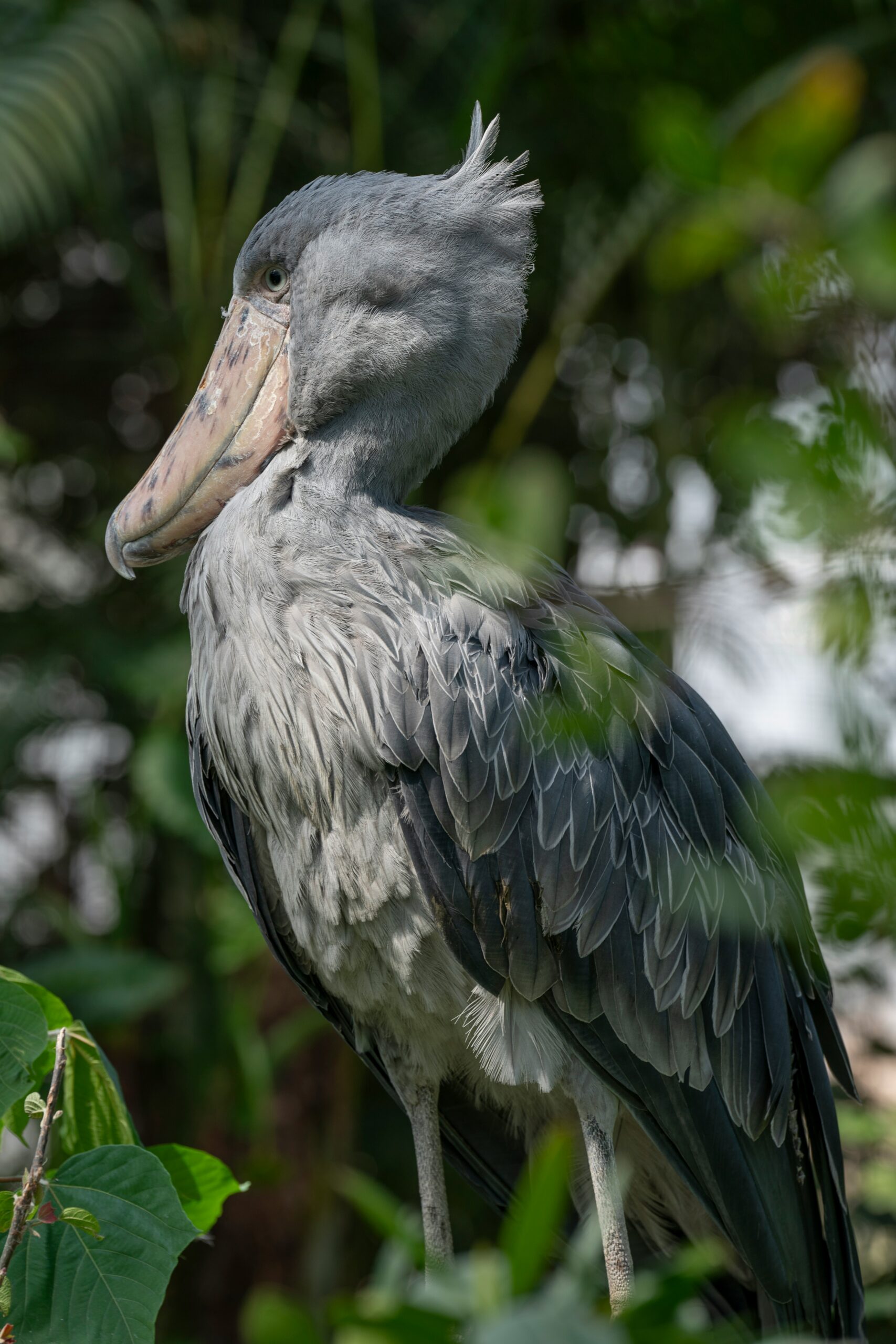
Top 5 Shoebill Hotspots in Uganda
| Spot | Region | Best Time to Spot | Why Go |
|---|---|---|---|
| Mabamba Swamp | Near Entebbe | Early morning | Most reliable and accessible site; classic canoe birding |
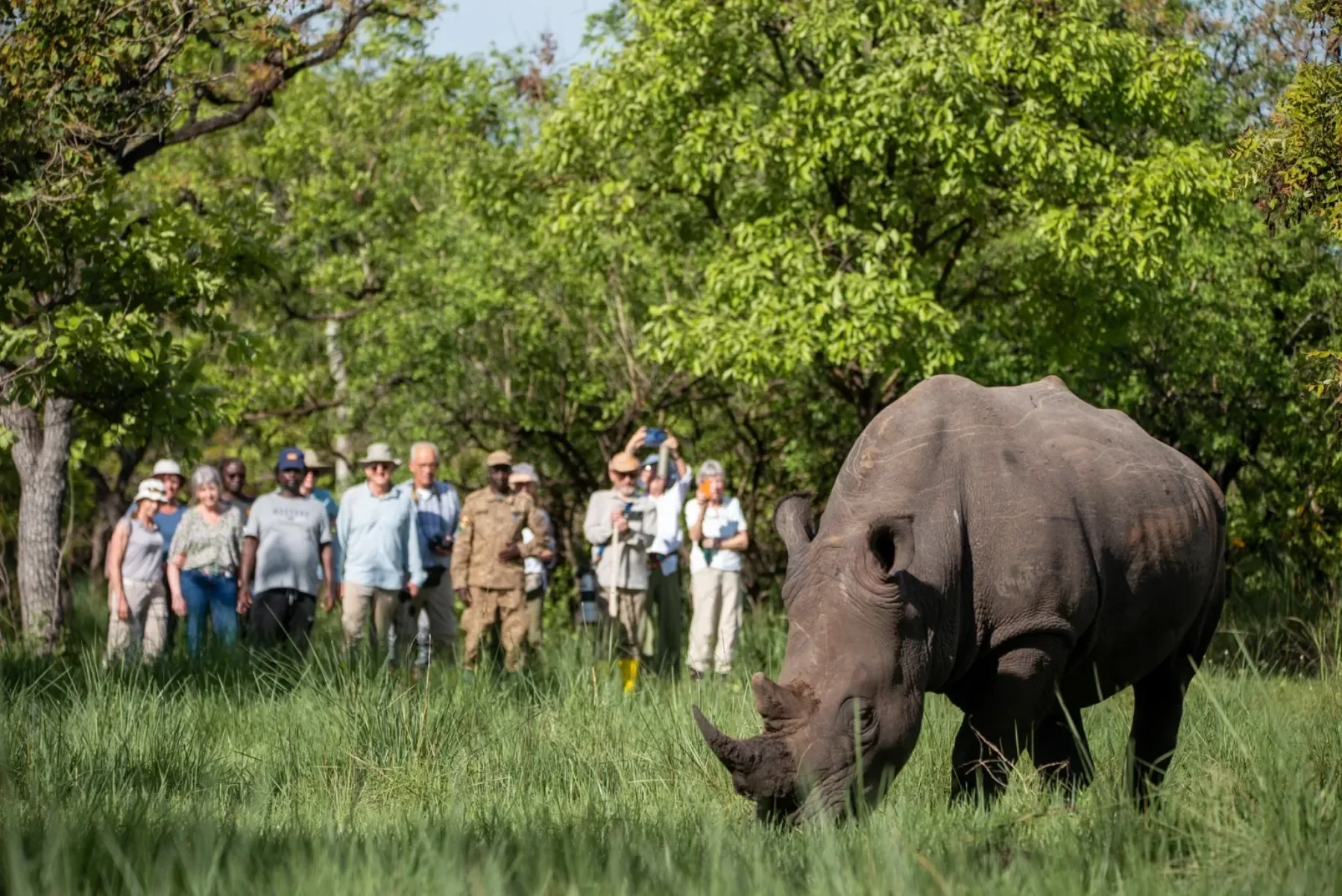
| Ziwa Rhino Sanctuary (Lugogo Swamp) | Nakasongola | Sunrise | Combines rhino tracking with canoe trips for shoebills |
| Murchison Falls NP — Nile/Albert Delta | Northwestern Uganda | Dry season mornings | Stunning river delta birding by boat |
| Semuliki National Park | Western Uganda | Seasonal | Wetland areas near Lake Albert; quieter and wild |
| Lake Mburo National Park Wetlands | SouthWestern Uganda | Dry season | Occasional sightings plus diverse birdlife & wildlife |
Understanding the Shoebill Stork
Top places to see the Shoebill Stork in Uganda
1. Mabamba Swamp (The Best Overall Spot)
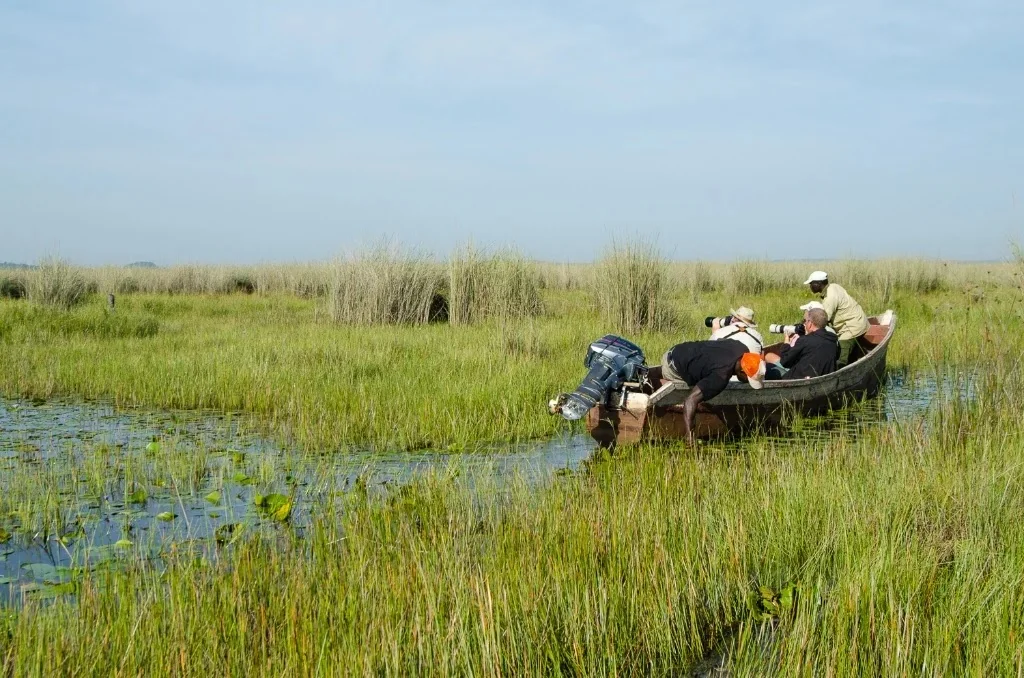
How Mabamba Fits a Gorilla Trek: Because Mabamba is located just few minutes from Entebbe International Airport, it serves as an ideal arrival-day excursion or departure-morning activity before or after your mountain gorilla trek in Bwindi or Mgahinga.
2. Ziwa Rhino Sanctuary (Lugogo Swamp)
Ziwa Rhino Sanctuary isn’t just for rhinos; it is also home to shoebills and over 300 bird species. While less famous than Mabamba, the shoebill canoe tours here are beautifully atmospheric, with early morning paddles offering serene views and excellent birding.
Visitors often combine rhino tracking with birding for a unique Ugandan wildlife experience. Local guides know the best spots and sightings.
3. Murchison Falls National Park
At Murchison Falls National Park, the shoebill awaits in one of Uganda’s most spectacular landscapes: the Nile Delta, where the river flows into Lake Albert. Early morning boat cruises along the Nile’s papyrus-lined channels offer great chances to see shoebills alongside waterbirds, hippos, and crocodiles. Additionally, this location pairs perfectly with a longer wildlife safari, making it ideal if you want to combine big game and birding in one trip.
4. Semuliki National Park
Western Uganda’s Semuliki National Park lies at the edge of the Congo Basin, where vast wetlands and lowland forest provide habitat for shoebills, though sightings here are more seasonal and less predictable than at Mabamba or Ziwa. Nevertheless, this destination rewards adventurous birders with a sense of solitude and an immersive rainforest-swamp mosaic rich in bird species rarely seen elsewhere in the country.
5. Lake Mburo National Park
Best known for its zebra herds and classic safari drive circuits, Lake Mburo National Park nevertheless features papyrus-fringed wetlands that occasionally attract shoebill storks alongside a lively mix of waterbirds.
Important Etiquette on the Water
Shoebill Trek Prices
- 1 person: $80
- 2 people: $50 per person
- 3 people: $45 per person
- 4 people: $40 per person
- 5 or more people: $35 per person
- International Visitors: $90 per adult ($45 for kids up to 12)
- East African Foreign Residents: $75 per adult ($35 for kids) with a valid work permit
- East African Citizens: 80,000 UGX per adult (25,000 UGX for kids)
Note: Advance booking is required to guarantee boat availability and ensure a smooth departure.
5 Reasons why Uganda is the best place to see the shoebill stork
- Highest Sighting Success Rate: Local boat captains know individual bird territories inside and out; this keeps sightings highly consistent at primary spots like Mabamba Bay.
- Easy Access from Entebbe: Uganda is the only country where you can land at an international airport and be tracking Shoebills in a wooden canoe within just a couple of hours.
- Protected Habitat: Uganda’s vast Ramsar-protected wetlands harbor an estimated 1,000 to 2,000 individuals, a huge share of the world’s remaining wild population.
- Seamless Wildlife Circuits: You can easily combine Shoebill tracking with iconic East African wildlife experiences. In a single trip, you can track Shoebills in the morning, watch white rhinos, or track lions in the afternoon, and trek mountain gorillas deep in the impenetrable forest the next day.
5. Community-Led Eco-Tourism: Local associations employ former fishermen as certified guides and boat captains, ensuring tourist visits directly fund wetland conservation.
Best Time for Shoebill Tracking
What to Expect on a Shoebill Encounter
How Shoebills Are Protected in Uganda
- Community-Led Eco-Tourism Models: At key hotspots like Mabamba Bay, local associations have turned former fishermen into certified site guides, boat captains, and swamp guardians. Direct revenue from canoe tours provides a strong economic incentive for surrounding villages.
- Securing Official Wetland Protection: Major habitats are officially recognized as Ramsar Wetlands of International Importance. This status provides vital legal protection against commercial land clearing, agricultural encroachment, and swamp draining.
- Nest Monitoring: During the nesting season, local site guides and conservationists run active nest-guarding initiatives deep in the papyrus thickets. By keeping tabs on active breeding pairs, guardians protect eggs and chicks from poachers, livestock encroachment, and human disturbance until chicks successfully fledge.
- Active Anti-Poaching Patrols: Working together with the Uganda Wildlife Authority (UWA) and local leaders, ranger patrols monitor protected marshlands in national parks like Murchison Falls and Semuliki to clamp down on illegal poaching, nest raiding, and destructive habitat clearance.
Frequently Asked Questions (FAQs)
Explore with Jackal Adventures
Uganda’s diverse wetlands offer a world-class opportunity to spot the prehistoric showbill stork. Contact us to customize your itinerary with a team of expert guides for an unforgettable birding safari in Uganda.




1 Comment
[…] undisputed leader of this elite group is the Shoebill Stork. Looking like a prehistoric relic, this massive bird stands nearly five feet tall and possesses a […]