What Gorilla Trekking in Uganda Is Really Like: My Experience on the Ground
September 23, 2026
Gorilla Habituation Experience vs Gorilla Trekking: Which Should You Choose?
October 15, 2026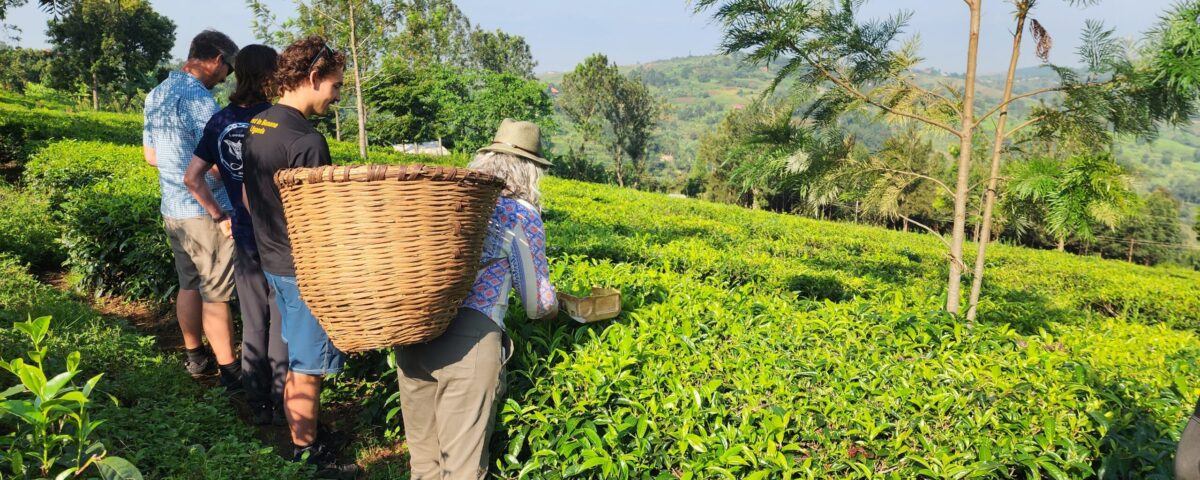
Why Is Uganda Good for Families With Kids?
Ask most people what Uganda is known for and you’ll hear the same answer: gorillas. It’s true, and it’s why many visitors come. But it describes a small part of what the country offers, and for a family with younger children, the rest of it is where the trip is won.
Uganda fits savannah, lakes, wetlands, forest, and the source of the Nile into one trip that is easy to combine. A good share of the wildlife viewing happens from a boat or on foot, which suits children better than hours in a vehicle. Add chimpanzees, birdlife, coffee farms and Kampala’s culture, and you have a family trip with real variety rather than a single headline activity.
Gorilla trekking does have a minimum age of 15. We cover that, and how parents can still trek, further down. It matters, but it shouldn’t be where you start planning.
What Makes Uganda Unique
A change of scene every day or two. Within a single week, you can be on a lake, in a savannah park, walking among zebras and standing where the Nile begins. That variety keeps children engaged in a way that a week of game drives alone often doesn’t.
Safari on the water. Boat cruises on the Kazinga Channel and at Lake Mburo put you close to hippos and water birds from a seat, with no hiking involved. For younger children, that is an easier way to see wildlife than a long day in a vehicle.
Safari on foot. At Lake Mburo you can walk with an armed ranger among plains zebras and impalas. It is a different pace from a vehicle-only safari, and children get to be active rather than strapped in.
Primates beyond the gorillas. Rescued chimpanzees live on Ngamba Island, a short boat ride from Entebbe, and visitors watch them being fed. Chimpanzee tracking in Kibale is open to older children, generally from 12.
Birds you don’t have to look for. Uganda has recorded more than 1,000 bird species, so even a short boat cruise or walk usually turns up something worth pointing out, whether or not anyone in the family is a birdwatcher.
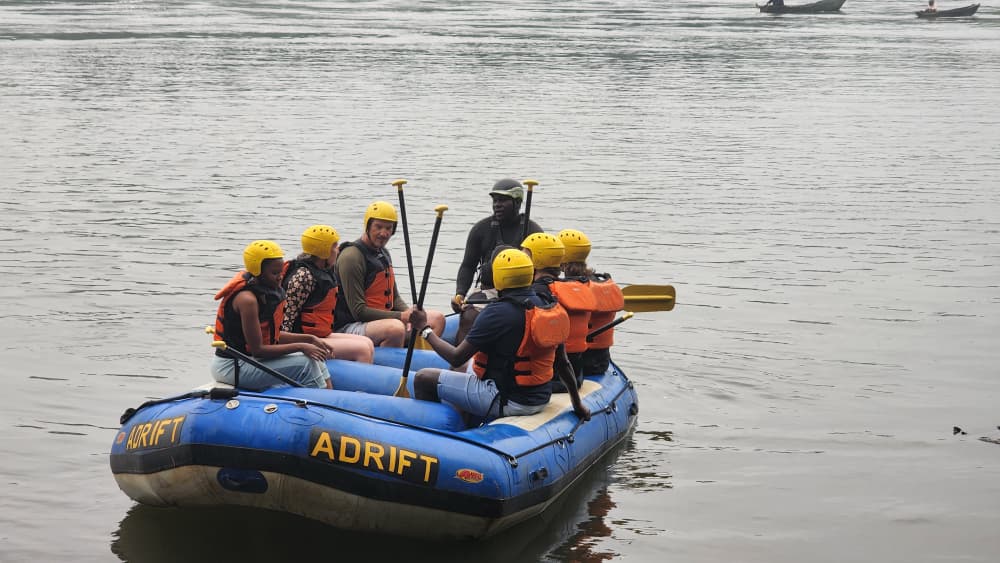
The source of the Nile. At Jinja, Lake Victoria becomes the Nile. A boat trip takes families out to the spot John Hanning Speke identified as the river’s source in 1858, and the calm stretches make it an easy day out.
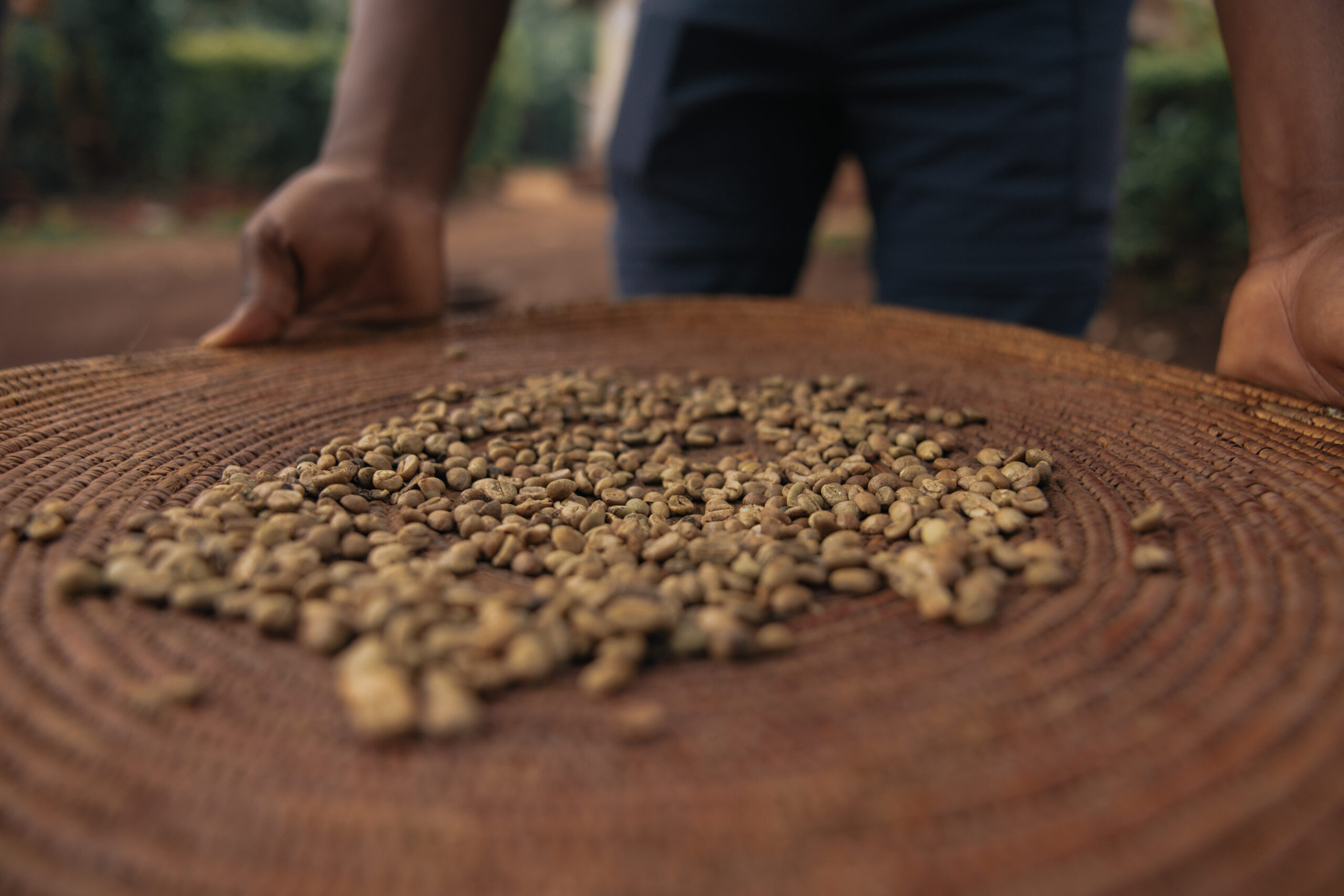
Coffee, where it started. Robusta coffee is indigenous to Uganda, and farm tours walk you through every stage from picking to roasting. Many are hands-on, with children grinding freshly roasted beans in a traditional mortar, and some include lunch with a local family.
How Uganda Compares With the Rest of Africa
Uganda is roughly the size of Great Britain, and it sits where East African savannah meets the rainforest of Central and West Africa. That overlap is why a country this compact has more than 300 mammal species and over 1,000 recorded bird species, around half of all the species found in Africa. A few things follow from it that are hard to find together anywhere else.
Savannah and rainforest in one trip. You can track lions and elephants in a savannah park and chimpanzees in a forest within the same week, without a flight between them.
A concentration of primates. Kibale National Park alone has 13 primate species, and Uganda is home to a large share of the world’s remaining mountain gorillas. Even families who can’t trek gorillas can see chimpanzees and monkeys in the wild, or at the Ngamba Island sanctuary.
Rhinos on foot. Rhinos disappeared from Uganda in the 1980s. Ziwa Rhino Sanctuary, established in 2005 on the road to Murchison Falls, has reintroduced them, and it is the only place in Uganda where you can see rhinos, tracking them on foot with rangers.
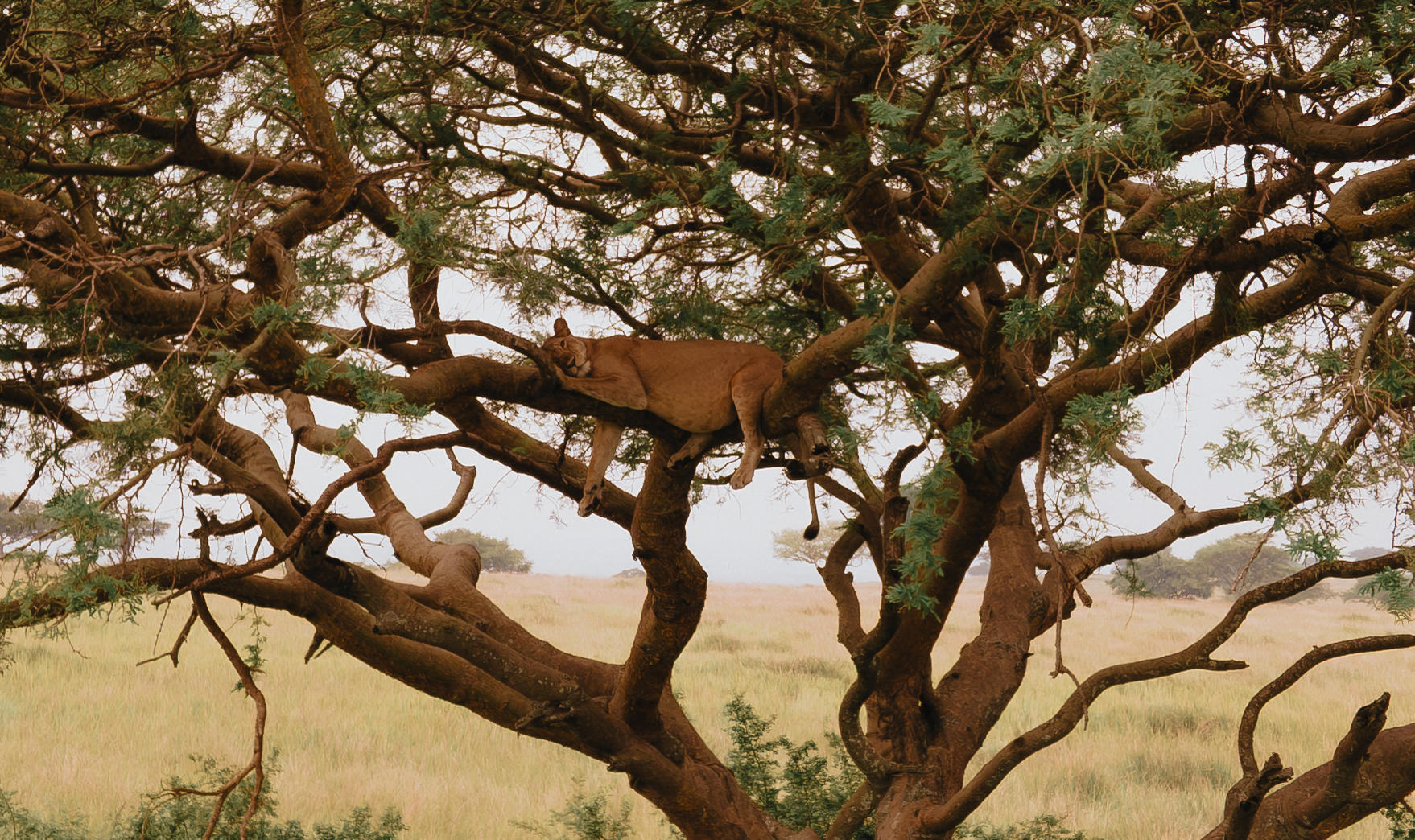
Tree-climbing lions. In the Ishasha sector of Queen Elizabeth National Park, lions rest in the branches of fig trees. The behaviour is seen in only a few places in Africa. Sightings aren’t guaranteed, but looking up into the trees instead of across the grass is something children enjoy, and it is worth asking about when planning a Queen Elizabeth stay.
Snow on the equator. The Rwenzori Mountains, often called the Mountains of the Moon, rise to snow-capped peaks almost on the equator. Climbing them is a trek for older teenagers and adults rather than young children, but they shape the landscape of western Uganda.
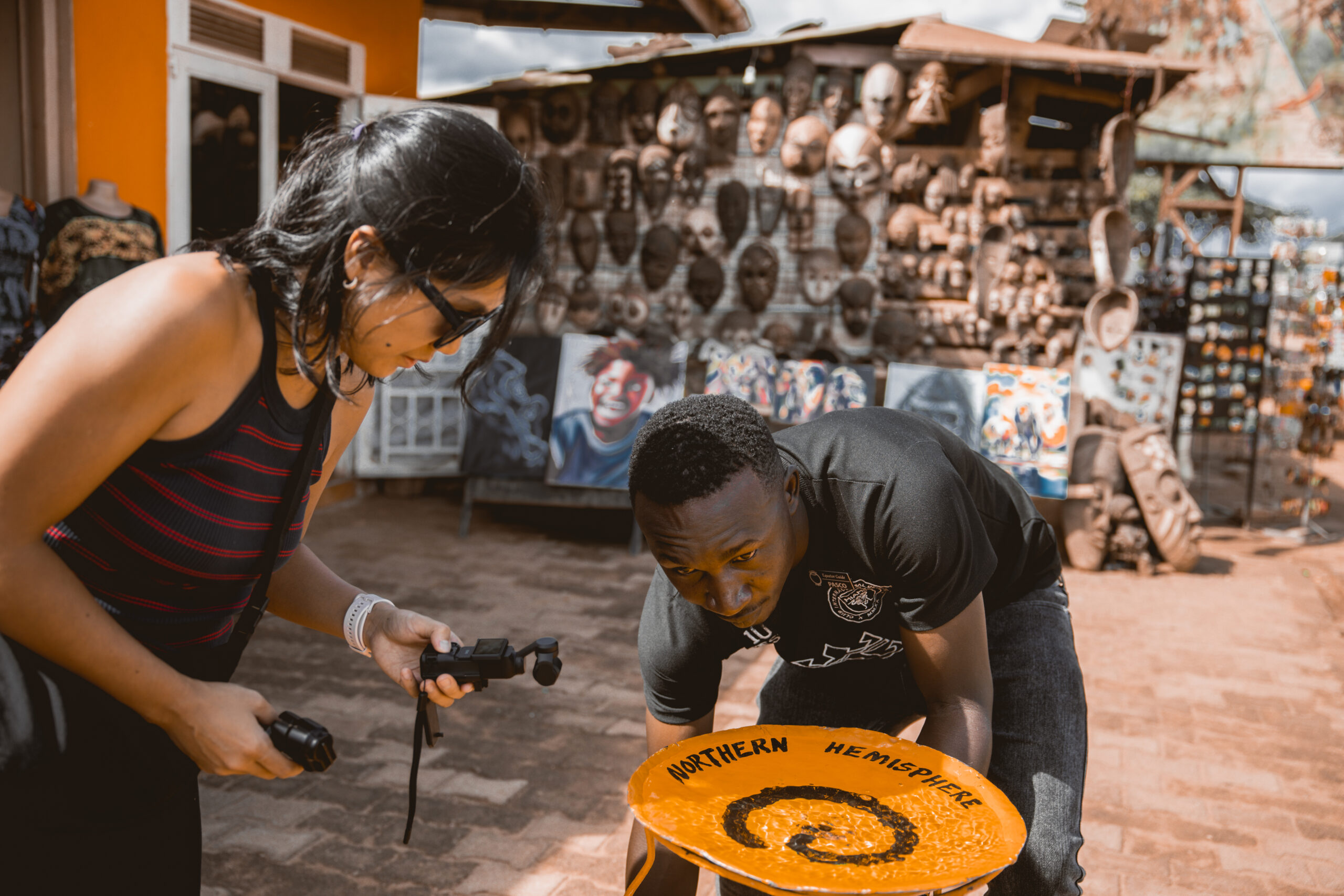
Is the equator only in Uganda? No. In East Africa, it also crosses Kenya and Somalia, though not Tanzania. What Uganda does is make it easy to stop at. The Kayabwe Equator line sits on the road west from Entebbe and Kampala, which is why it appears on the itinerary below.
Each part of the continent is known for something different. Kenya and Tanzania are known for open plains, big herds, and the migration. Southern Africa is known for places such as Victoria Falls, the Okavango Delta and Kruger. Uganda’s draw is different again: primates, forest, water and a mix of habitats in a compact area, often in quieter parks. It isn’t a substitute for the Serengeti or the Masai Mara, and it doesn’t try to be. For a family, it is a different kind of trip.
A 6-Day Uganda Family Safari
To show how this comes together, here is a complete six-day family itinerary built around Queen Elizabeth and Lake Mburo National Parks. It doesn’t go near Bwindi, so nothing in it depends on the gorilla age limit.
| Day | Where | What happens |
| 1 | Entebbe | Arrival, meet your guide, transfer to your hotel. |
| 2 | Entebbe to Queen Elizabeth NP | Drive west with a stop at the Kayabwe Equator line for interactive water demonstrations. Overnight at Buffalo Safari Lodge. |
| 3 | Queen Elizabeth NP | Early morning lion tracking with trackers using radio telemetry. Afternoon boat cruise on the Kazinga Channel. Overnight at Buffalo Safari Lodge. |
| 4 | To Lake Mburo NP | Transfer east. Late afternoon family-friendly walking safari with an armed ranger. Overnight at Kigambira Safari Lodge. |
| 5 | Lake Mburo NP | Morning game drive. Afternoon boat cruise for birds, hippos, and more. Overnight at Kigambira Safari Lodge. |
| 6 | Return to Entebbe | Drive back with a lunch stop and airport drop-off. |
What families tend to get out of each part of it:
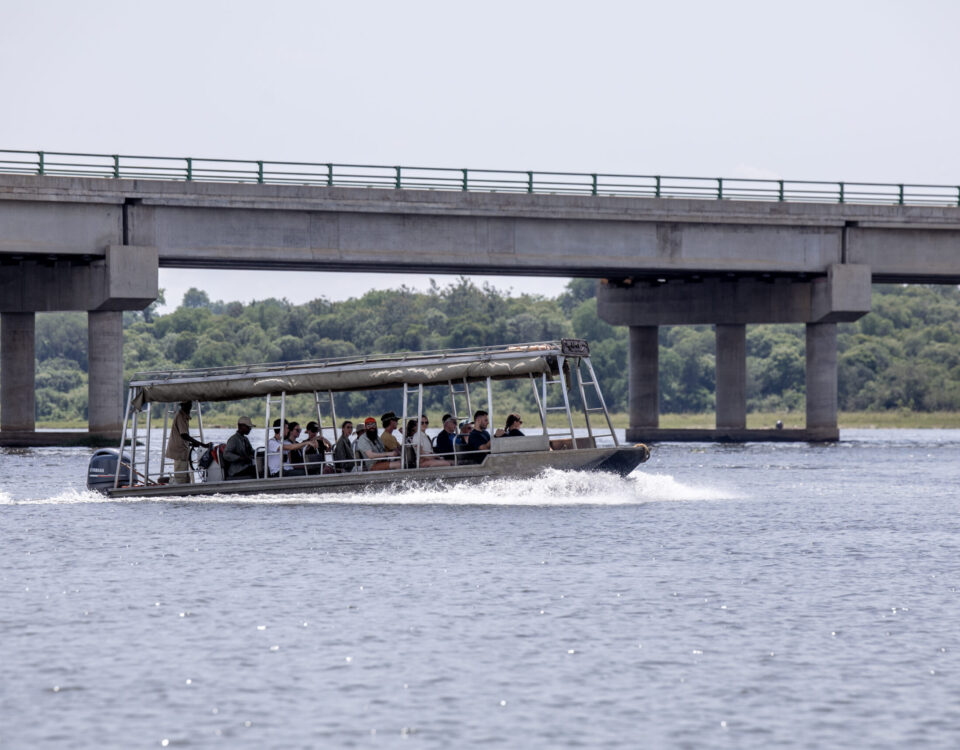
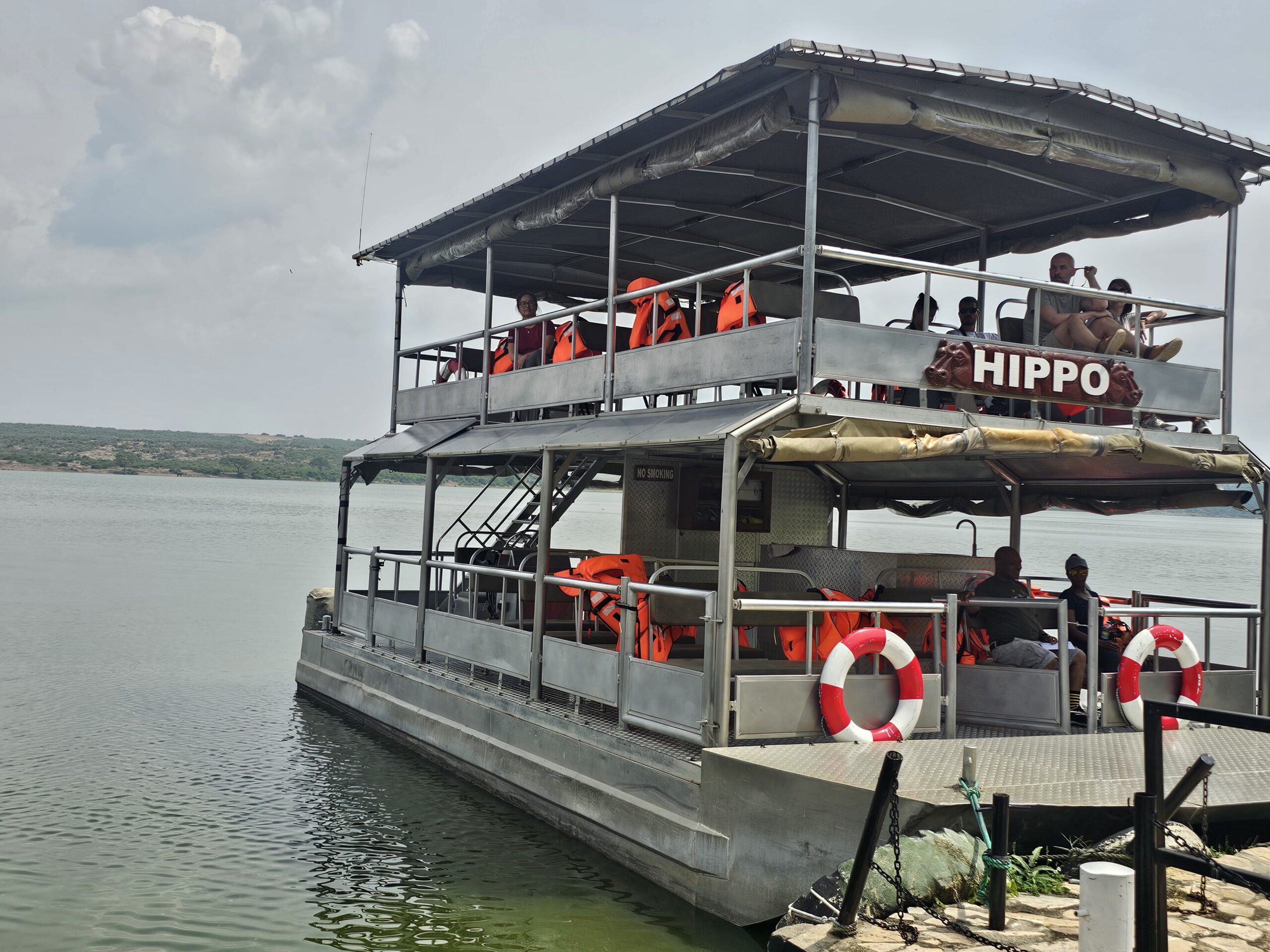
The Kazinga Channel boat cruise. The channel links Lake George and Lake Edward, and its banks are where much of Queen Elizabeth’s wildlife comes to drink. Hippos are close to the boat, elephants and buffalo are often on the shore, and the birdlife is constant. The cruise is seated and unhurried, which tends to hold the attention of children who find a long game drive hard going.
Lion tracking. You set out early, when it is cool, with trackers who use radio telemetry to locate the park’s lions. Children see how wildlife is actually followed and found, rather than simply waiting for something to appear, and the early morning light is the best time of day to be out.
The ranger-led walk at Lake Mburo. On foot with an armed ranger, you can get close to plains zebras and impalas at a safe distance. Walking changes how a landscape feels. You notice tracks, sounds, and smells a vehicle never gives you, and it lets children use up the energy that builds on a travel day.
Game drive and boat cruise at Lake Mburo. The morning drive covers the park’s open country, and the afternoon cruise on the lake is a quieter way to see hippos and aquatic birds. Two different ways of seeing the same park in one day keep the pace varied.
The equator stop. On day two, the Kayabwe Equator line has an interactive water demonstration. It gives the longest drive of the trip a break children actually look forward to.
Pacing. The itinerary has only three bases, Entebbe, Queen Elizabeth and Lake Mburo, so there are just two lodge changes in six days. For anyone who has packed and unpacked with young children, that matters.
Kid-Friendly Lodges and Things for Younger Children
Safari days are built around the main activities, but younger children also need things to do in between. Another reason Uganda works well for families is that many of the lodges are set up with children in mind.
What younger children can do at the lodge. Among the facilities at family-friendly lodges are swimming pools to splash around during the afternoon heat and board games. For children who want to be outdoors, the grounds offer spacious private balconies for safe wildlife viewing and bush breakfasts out in the fresh air.
Examples of family-friendly lodges:
- Lodge 1: Buffalo Safari Lodge, Queen Elizabeth National Park:
Facilities at this lodge include spacious family cottages with private balconies that overlook the savanna and the Kazinga Channel, where kids can spot wildlife safely, plus bush breakfasts and a swimming pool for fun between game drives.
- Lodge 2: Kigambira Safari Lodge, Lake Mburo National Park:
Offers spacious private verandas with direct views of gentle roaming animals, plus bush breakfasts, child-safe nature walking trips, and a swimming pool.
Beyond the Parks: Entebbe, Kampala and More
A Uganda trip doesn’t have to be only parks, and a day or two at either end of the safari adds a lot. Entebbe is calmer than Kampala and close to the airport, so it is an easy place to settle in after a long flight.
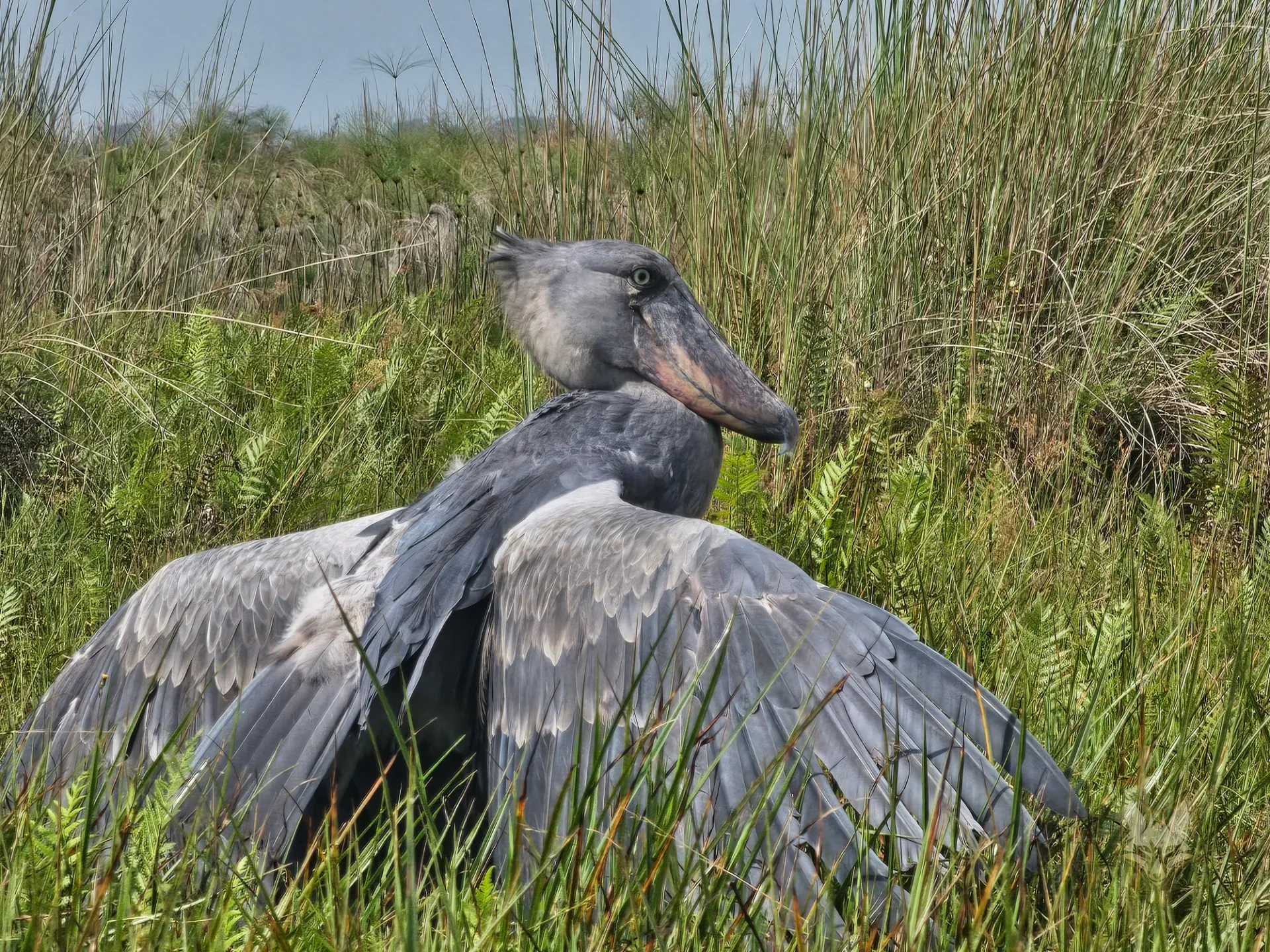
Wildlife near Entebbe. The Uganda Wildlife Education Centre, often called the Entebbe Zoo, is a conservation and education centre about fifteen minutes from the airport, with rescued and indigenous animals up close. Ngamba Island Chimpanzee Sanctuary is reached by boat from Entebbe, and the Entebbe Botanical Gardens have nature walks, birdwatching, and monkeys. For a family with a keen birdwatcher, Mabamba Swamp is known for shoebill sightings.
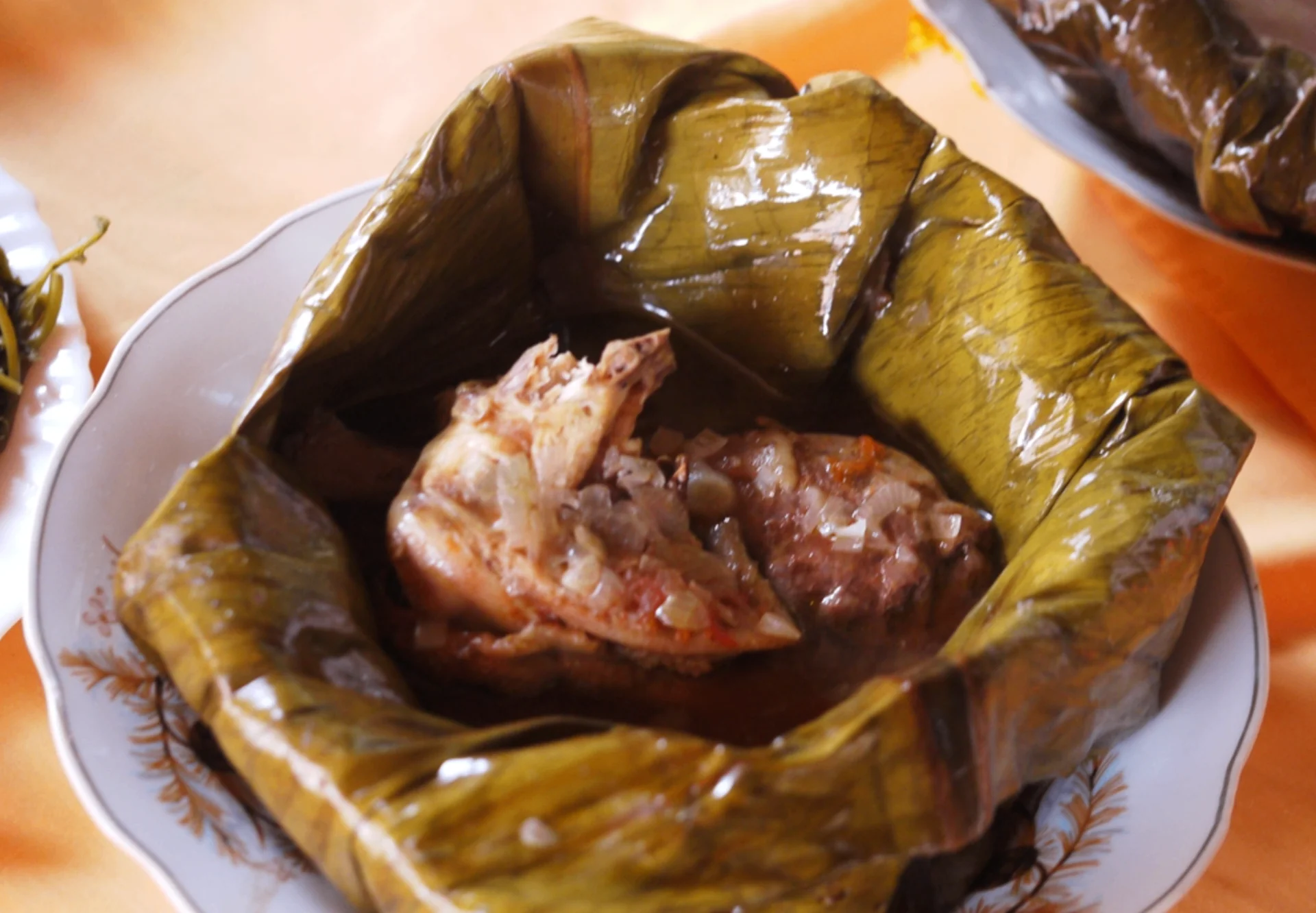
Culture in Kampala. The Uganda Museum, the Kasubi Tombs (the royal burial site of the Buganda kings and a UNESCO World Heritage Site), and hands-on living heritage experiences at Ewaffe Cultural Village give children a picture of the country beyond its wildlife. At Ewaffe, kids can try traditional cooking like preparing luwombo, play indigenous games like Omweso, learn barkcloth making, and watch live cultural performances. Craft markets add a busier, louder side of the city for school-age children who enjoy that.
Things for children in Kampala. Kampala has more for children than most visitors expect. Local favourites include the Uganda Museum, Ewaffe Cultural Village, heritage sites like Kasubi Tombs, the king’s palace (Kabaka), religious sites like Gaddafi National Mosque, Baha’i Temple, Rubaga Cathedral and the Entebbe Wildlife Education Centre (UWEC Zoo).
Coffee and cafés. Coffee farm tours run from Kampala and Entebbe as day trips, and both cities have a growing café scene built around Ugandan beans. It is an easy cultural stop that works for all ages.
A day in Jinja. The source of the Nile makes a good day trip, with calm boat rides on the river and a chance to stand where the world’s longest river begins.
The Gorilla Age Limit, and How to Work Around It
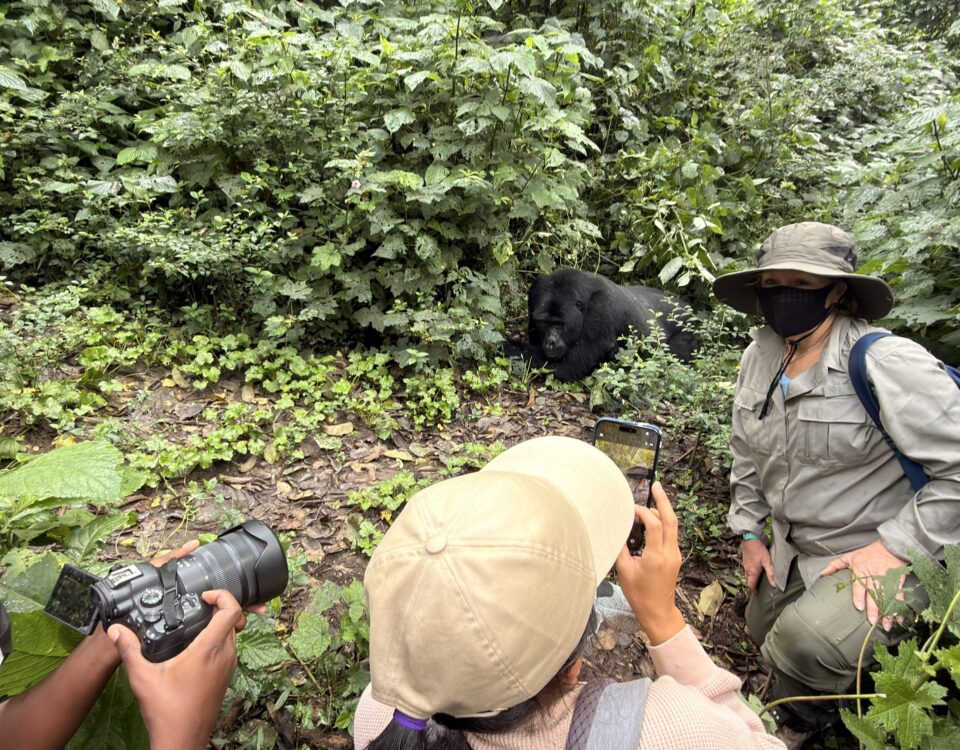
Gorilla trekking is the one activity in Uganda with a minimum age, and it is 15. The Uganda Wildlife Authority enforces it without exceptions. Children are more likely to carry colds and other respiratory illnesses, and mountain gorillas have no immunity to them, which is the same concern behind the mask rule on the trail. Rangers check ages at park headquarters before the briefing, and there is no exception for a child who is tall, fit, or well-behaved for their age.
Anyone who is 15 or older pays the standard adult permit for their category, which is $800 for foreign non-residents. There is no youth rate.
One practical point shapes the options below. With the lodges we work with, we don’t arrange childcare that lets a young child stay behind with lodge staff while both parents go into the forest. A child under 15 needs one of their parents with them.
If you still want to trek, there are three ways to do it:
- One parent treks, the other stays with the children. The simplest arrangement. The parent who stays behind misses the gorillas, so it suits families where one of you cares much more about the trek than the other.
- Parents trek on alternate days. Each parent gets their own trek while the other takes the family day. This needs two days in the Bwindi area, so the extra cost is mainly an additional night, since each trekking adult buys their own permit either way. UWA requires permits to be paid in full at the time of booking, so settle who is trekking on which day before you book.
- A teenager and one parent trek; the other parent stays with the younger children. For families with children on both sides of the age limit, a 15-year-old can trek with one parent while the other stays with the younger ones.
All three work. They are also a compromise compared with a safari where everyone does everything together, and it is better to plan for that from the start than to find out at the lodge.
If You Want Big Cats and Migration Scenes
If what you want most from a family safari is big cats and the wildebeest migration, our Kenya and Tanzania safaris may be the better fit. Game drives there have no age limit, so the whole family sees everything together, every day, and the classic circuits are built for that. Uganda’s savannah parks are not where we would send you for the highest volume of big-cat sightings.
The right choice is the trip that suits your family. Some families combine the two, or add a beach extension at the end of either.
Planning Your Trip
- If gorillas are your top priority: wait until your children are 15, or use one of the split arrangements above.
- If you’re already planning a trip to Uganda or Rwanda: don’t skip it because your children are under 15. There is far more to the country than gorillas. Ask around Kampala, and you’ll find plenty of Ugandans who have never seen one, and plenty of visitors who came for the Nile, the lakes, the birds or the culture instead.
- If you want a family safari everyone does together: Uganda works well, with boat cruises, ranger walks and lion tracking in place of gorillas.
- If big cats and the migration come first: a Kenya or Tanzania safari with us is the better fit.
Some families do Uganda now and come back for the gorillas when their children turn 15, as a trip of its own.
Frequently Asked Questions
Is Uganda a good destination for young children?
Yes, as long as the trip isn’t built around gorillas. Boat cruises, ranger walks, chimpanzees at Ngamba Island, the source of the Nile, and coffee farm tours all work for younger children, and Entebbe is a gentle place to start.
Is Uganda the only East African country on the equator?
No. The equator also crosses Kenya and Somalia, but not Tanzania. In Uganda, the Kayabwe Equator line sits on the road west from Entebbe and Kampala, so it is an easy stop on the way to Queen Elizabeth National Park.
Can my 14-year-old trek gorillas if they’re fit and mature for their age?
No. The minimum age is 15 in both Uganda and Rwanda, and rangers enforce it at park headquarters. There is no exception based on size, fitness, or maturity.
Can both parents trek on the same day with young children?
Not with the lodges we work with, because we don’t arrange childcare for young children while both parents are in the forest. One adult needs to stay with them, which is why most families either alternate days or have one parent trek.
Does the alternating-days option cost more?
Each trekking adult buys their own permit either way, so the permit cost doesn’t change. The difference is mainly an extra night in the Bwindi area. Because permits are paid in full when you book, decide the split before you confirm.
Are the other activities restricted by age?
Game drives and boat cruises are generally open to children of all ages. Activities such as lion tracking, ranger-led walks and chimpanzee tracking follow park rules, so we confirm the minimum ages against your children’s ages when we plan the trip.
Can a 15-year-old pay a reduced permit price?
No. Anyone aged 15 or older pays the same permit as an adult in their category.
Is there anything for children to do in Kampala and Entebbe?
Yes. Around Entebbe, there is the Uganda Wildlife Education Centre, Ngamba Island, and the botanical gardens. In Kampala, there is the Uganda Museum, the Kasubi Tombs, cultural performances, and coffee tours.
What should we think about for health with young children?
A yellow fever certificate is required for entry to Uganda, and malaria prevention is worth discussing with a travel doctor well before you go, since the options can differ for young children.