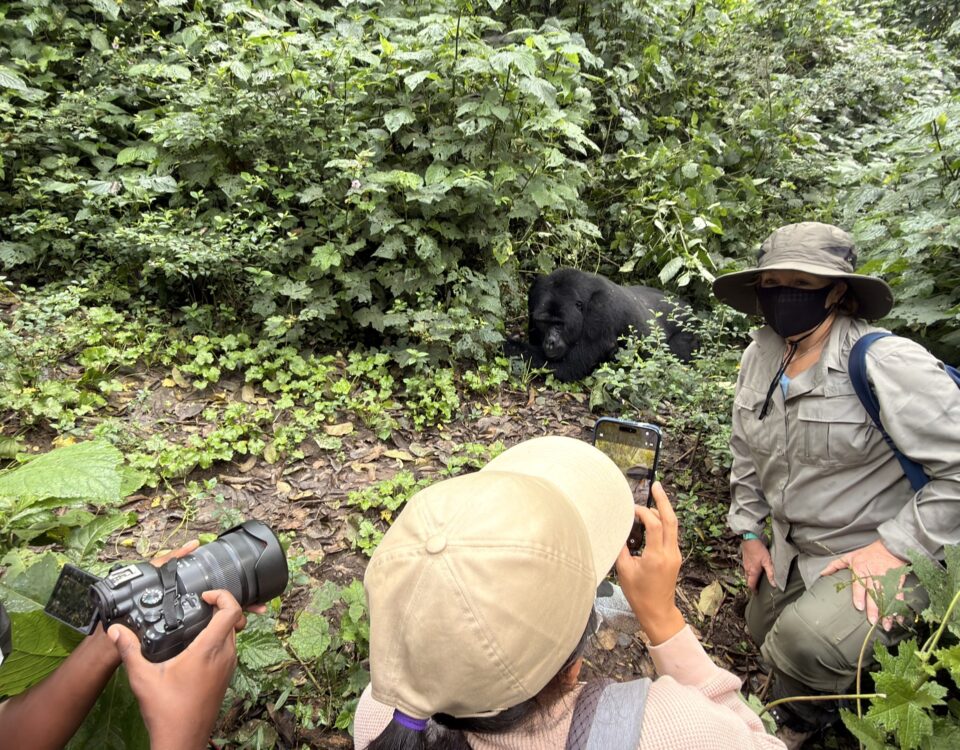

Everything You Need to Know Before Your First Gorilla Trek in Uganda
August 26, 2026
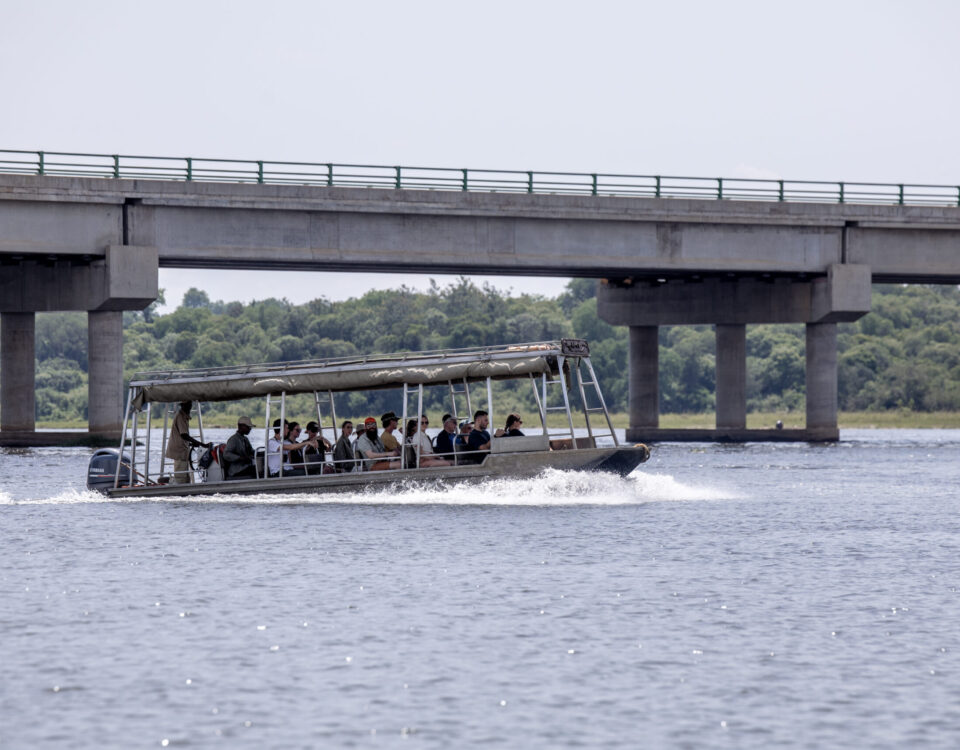
Kazinga Channel vs Nile Boat Safari: Compared by Locals
September 18, 2026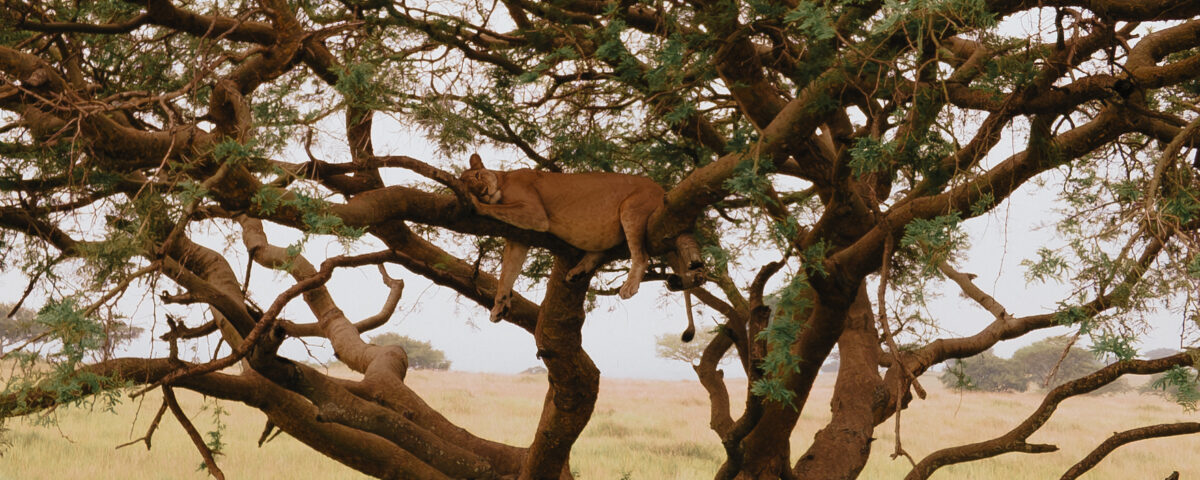
Many travelers ask us when the best time to visit Uganda is. The Truth is: the best time to visit Uganda depends entirely on what you want out of your safari. Standard travel brochures will always tell you to visit strictly during the dry months, but our local driver-guides, who navigate these routes year-round, know some seasons suit specific activities better than others.
Because Uganda sits on the Equator, regional microclimates shape our weather more than classic seasons. Whether you are aiming for dry forest trails or quiet off-peak parks, here is an honest guide to finding the ideal window for your travel style.
Quick Answer: When Should You Visit?
Choosing the best time to visit Uganda is one of the most common questions travelers ask before planning their adventure. The honest answer depends entirely on what type of experience you are looking for.
Some travelers look for firm, dry trails for an easier hike up to the mountain gorillas; others want peak wildlife viewing, quiet parks with fewer crowds, low-season rates, or lush green scenery for photography.
The great news is that Uganda is a year-round destination because temperatures stay comfortable. Instead, Uganda experiences two main travel periods, and each season has its own advantages for safari travelers.
Best Time for Safari Adventures in Uganda
For most travelers, the best time to visit Uganda falls during our two main dry seasons: June to August and December to February. During these months, you will enjoy clear skies, warm sunshine, and minimal rainfall.
In our savanna game parks, thin vegetation makes it easier to spot wildlife, while animals naturally gather around water sources. For primate tracking in the rainforests, the dry season offers firmer, less slippery trails. Because these months fall during the peak travel season, gorilla permits and preferred luxury lodges sell out quickly, so booking early is essential.
Understanding Uganda’s Safari Calendar
Because Uganda sits directly on the Equator, we do not experience the traditional four-season cycles. Instead, our weather patterns are defined by the shift between two main dry seasons and two rainy seasons.
The Peak Dry Seasons (June–August & December–February)
If dry hiking trails are your priority, this is the best time to visit Uganda. Expect sunny skies, little rain, and cool mornings. Receding vegetation draws savanna wildlife to permanent water sources for easy viewing, while rainforest trails stay firm and manageable. Because demand peaks during these months, book your gorilla permits and lodges early.
The Rainy Seasons (March–May & September–November)
It is a common misconception that it rains all day during Uganda’s wet season, but brief, heavy downpours clear quickly to reveal crisp air and clear skies.
This is the best time to visit Uganda for quiet parks, discounted lodge rates, and availability for gorilla permits. Fresh grass triggers calving season and active predator hunts.
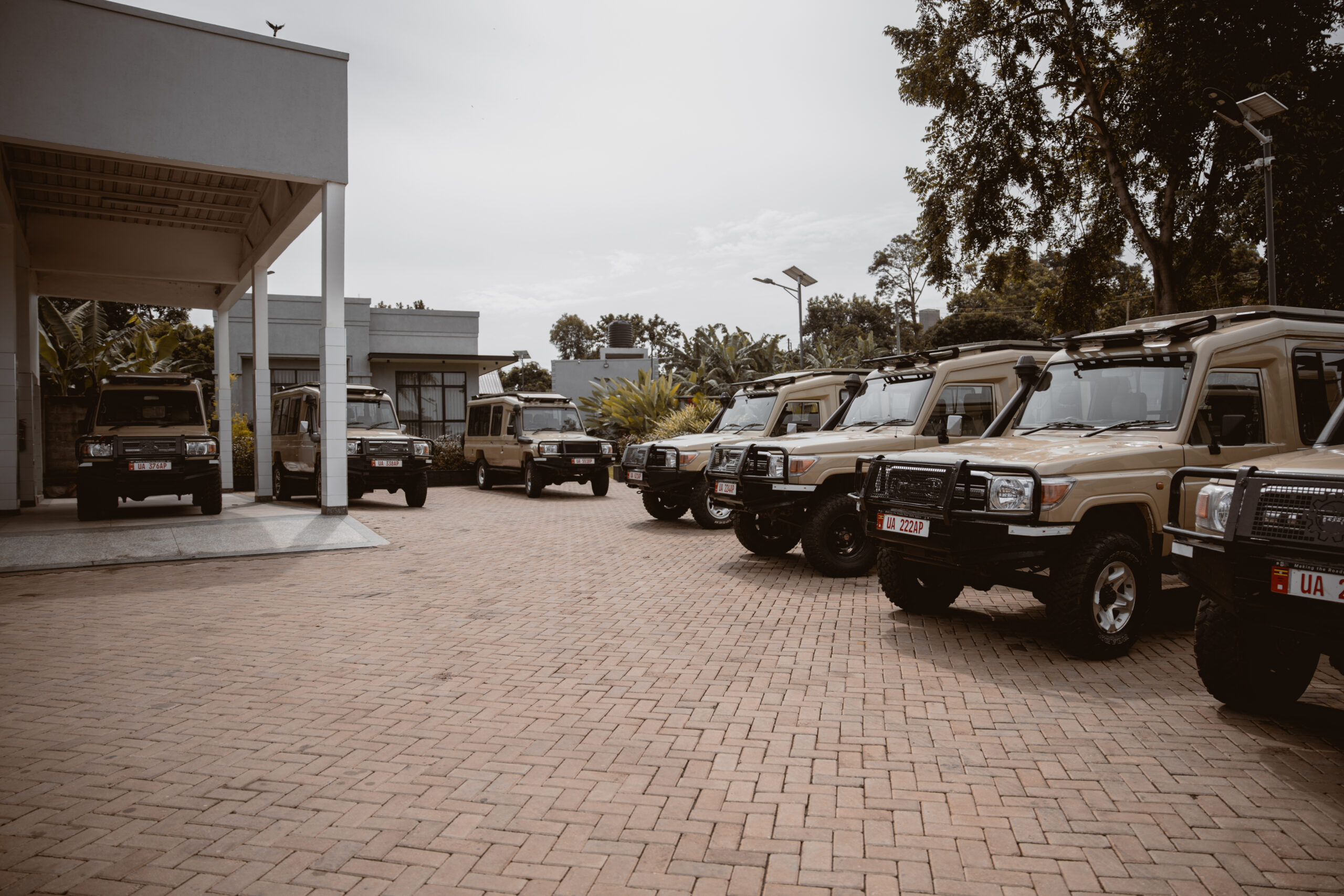
However, because savanna tracks become slick, navigating this season requires a 4×4 safari Land Cruiser and reliable gear like waterproof boots and trekking poles.
Is the Rainy Season Worth It?
Short Answer: Yes— if you prefer fewer crowds, quiet parks, discounted lodge rates, and lush green scenery, the wet season can actually be the best time to visit Uganda for budget-conscious travelers and photographers.
Green season safaris (March to May and October to November) deliver exceptional wildlife encounters for several practical reasons.
- Shorter Gorilla & Chimp Treks: Abundant forest fruit keeps primates feeding on lower slopes, making treks significantly shorter and easier.
- Peak Birdwatching: Thousands of migratory species from Europe and North Africa arrive, filling parks like Queen Elizabeth, Lake Mburo, and Murchison Falls.
- Savanna Calving Season: Fresh grass triggers birthing among antelopes and other game, sparking high Predator activity from lions and leopards.
- Luxury Lodge Discounts: Luxury safari lodges across all national parks slash their prices, letting you experience high-end stays at a lower cost.
- Easy Permit and Vehicle Availability: Avoid peak-season, high-season tracking permits that sell out months ahead. In the wet season, permits are easier to secure.
- Dust-Free Photography: Rain washes dust out of the air, leaving clear skies, vibrant green landscapes, and stunning mist over the mountains and savanna plains.
Quick Tip: Keep in mind that it is still the rainy season—tracks will be muddy, downpours can happen suddenly, and road travel takes longer. Pack sturdy waterproof boots, quality rain gear, and travel in a 4×4 Land Cruiser.
Month-by-Month Safari Guide
| Month | Season & Weather | Best For & Highlights |
| January – February | Dry season | Gorilla trekking, clear park tracks, great wildlife visibility. |
| March – May | Long rainy season | Budget travel, lush scenery, excellent bird watching, fewer crowds. |
| June – August | Peak dry season | Excellent trekking conditions, peak wildlife viewing, high demand (book early). |
| September | Dry transition month | Excellent game tracking, quieter trails before rains. |
| October – November | Short rainy season ( Low season) | Migratory bird arrivals, quiet parks, lower lodge rates. |
| December | Dry season begins ( Holiday season) | Festive holiday safaris, warm weather, early dry conditions. |
Uganda’s Top Highlights
Mountain Gorilla Tracking (Bwindi & Mgahinga)
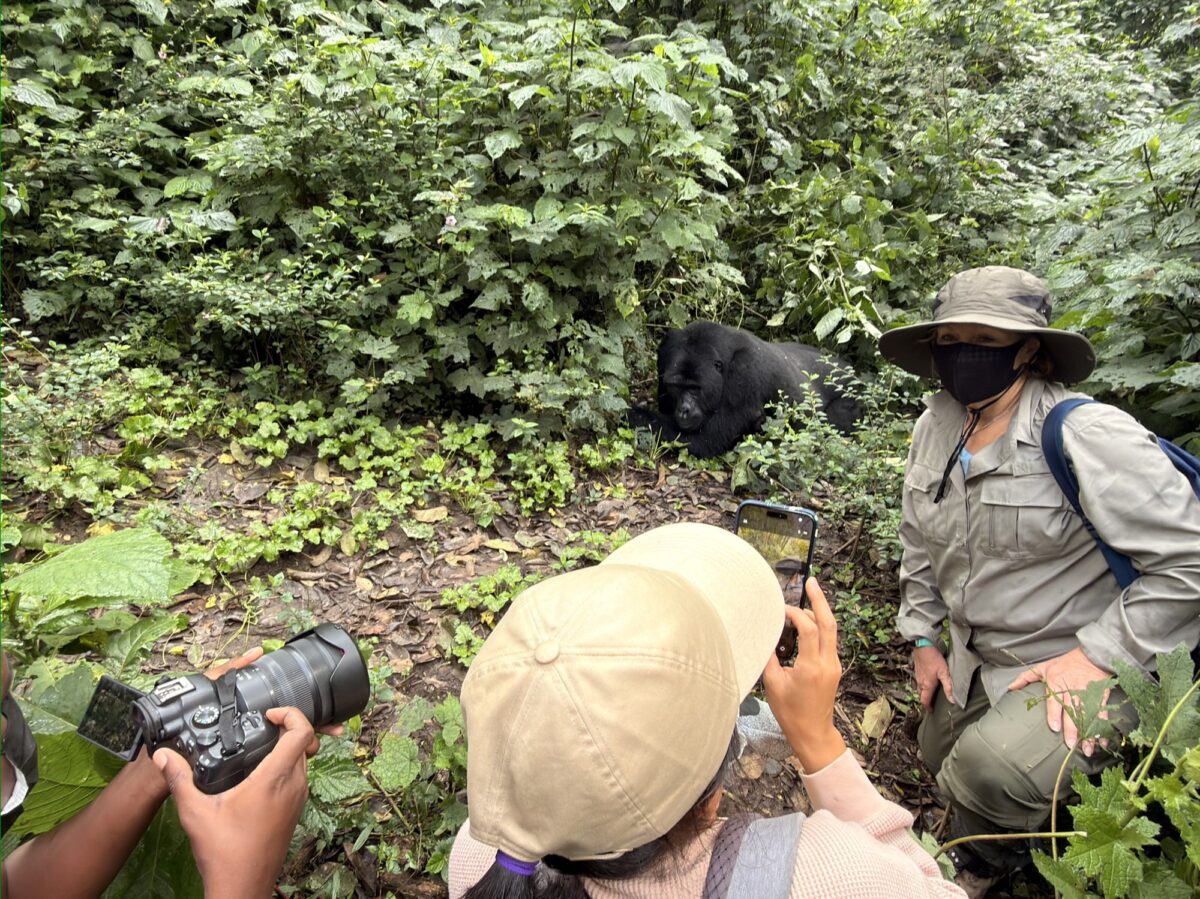
Mountain Gorilla tracking is Uganda’s defining safari highlight. A standard permit is issued by the Uganda Wildlife Authority (UWA) for $800 USD per foreign non-resident, while the exclusive Gorilla Habituation Experience costs $1,500 USD for four full hours with researchers.
While the dry months offer the firmest trails for tackling steep rainforest slopes, the wet season is the best time to visit Uganda for gorilla trekking because ripening wild fruit draws gorilla families down to lower, easily accessible slopes.
Chimpanzee Tracking (Kibale National Park)
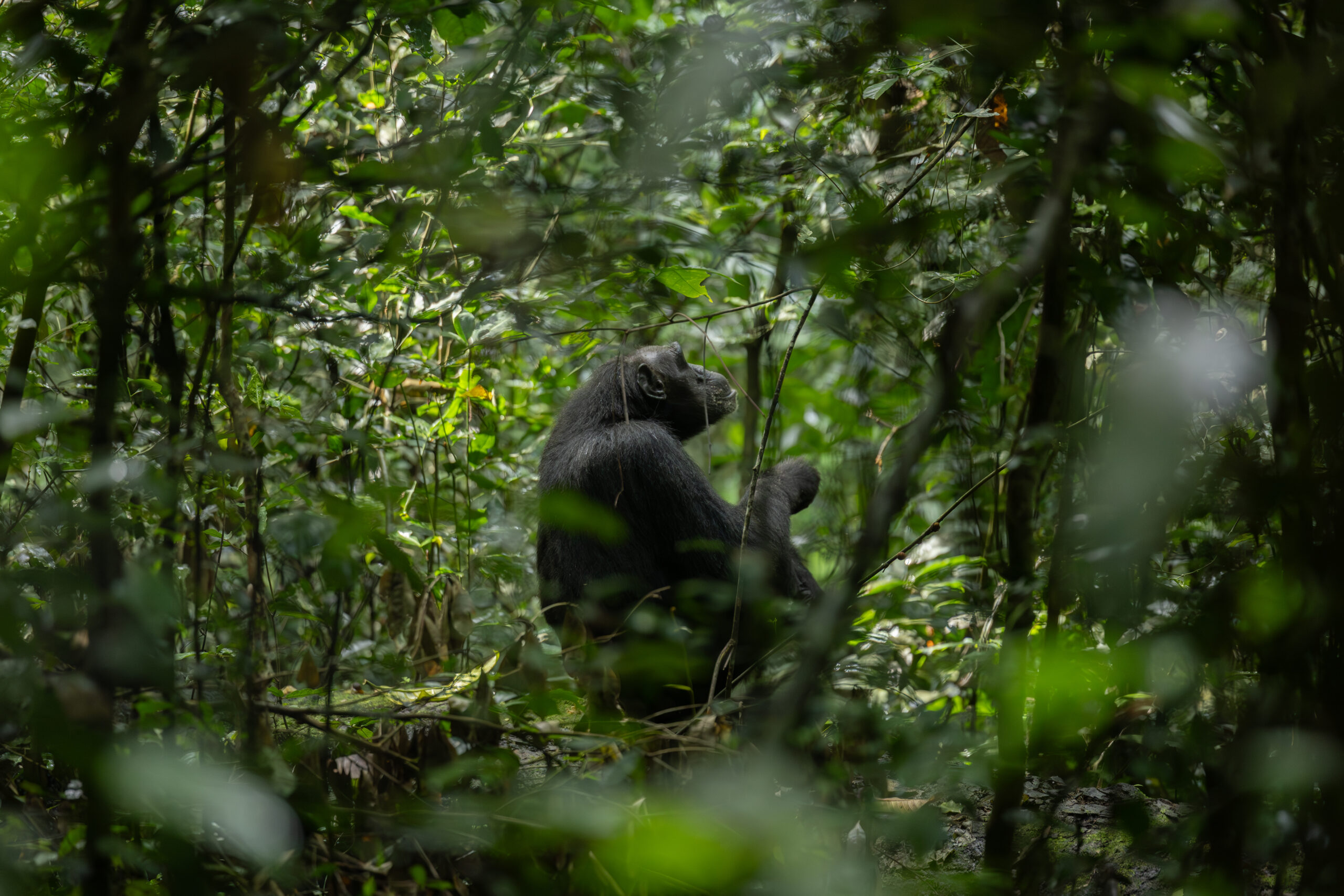
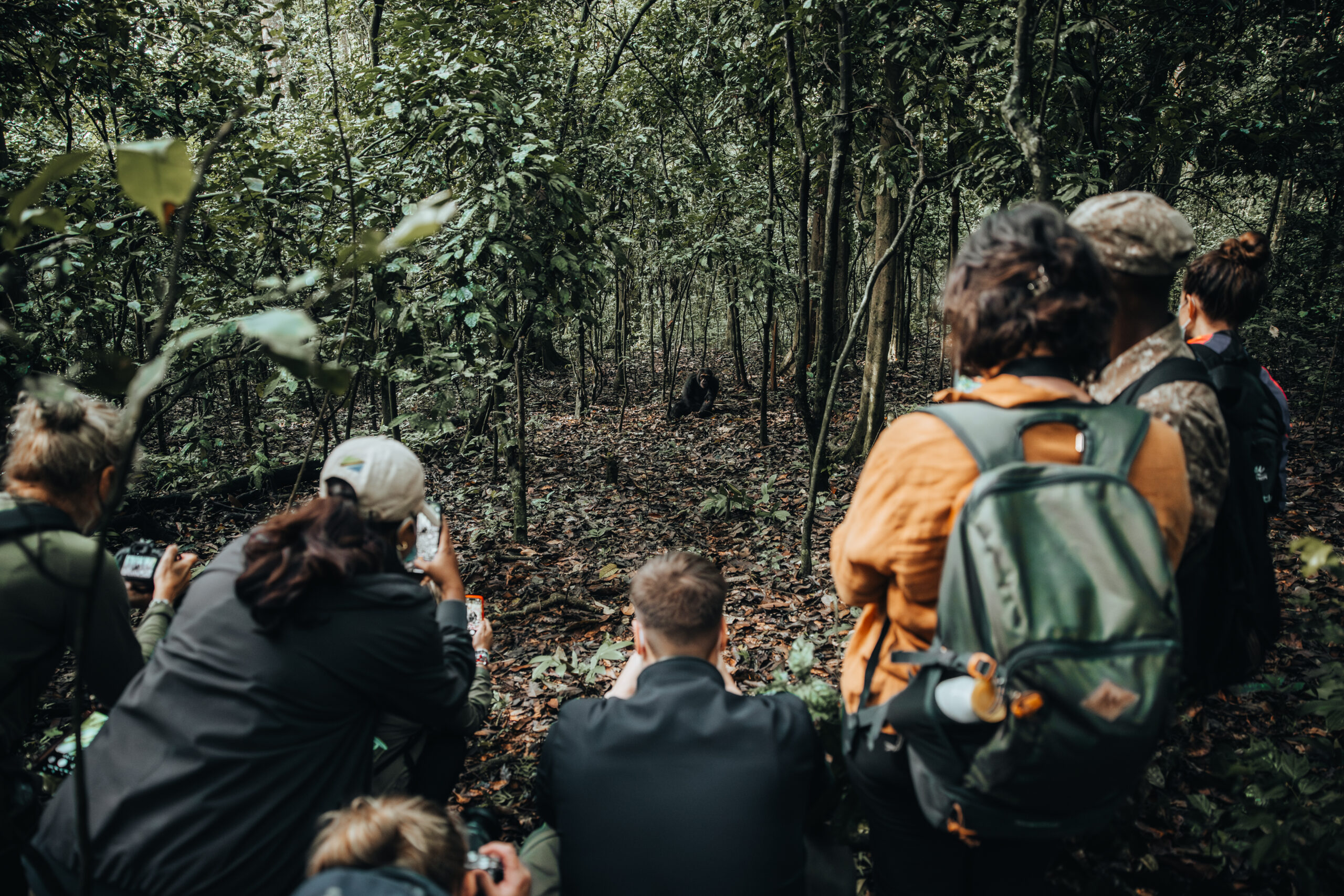
Chimpanzee tracking in Kibale National Park—the primate capital of the world—stands as one of Uganda’s premier wildlife experiences. Visitors can also opt for the Chimpanzee Habituation Experience alongside researchers to spend up to four hours with a semi-habituated troop.
Chimpanzee Tracking Permit Fee (Kibale National Park)
| Activity Category | Foreign Non-Resident (USD) | Foreign Resident (USD) | Rest Of Africa(ROA) (USD) | East African Citizen (EAC) (UGX) |
| Park Entrance (per day) | $40 | $30 | $25 | 20,000 |
| Chimpanzee Tracking (Standard 1-Hour) | $300 | $200 | $100 | 180,000 |
| Chimpanzee Habituation Experience | $400 | $300 | $250 | 250,000 |
Note: Activity rates for both Chimpanzee Tracking and the Habituation Experience (CHEX) include park entry fees for the duration of the activity, whereas general Park Entrance applies to non-tracking activities like guided nature walks or birding.
Big Five Savanna Safaris
Big Five safaris in Uganda pair classic savanna game drives in Murchison Falls, Queen Elizabeth, and Kidepo Valley with guided on-foot white rhino tracking at Ziwa Rhino Sanctuary.
While dry months offer the best visibility for lions, leopards, elephants, and buffaloes, which gather around water sources, the green season brings an advantage: fresh grass triggers calving season, driving active predator hunts right out into the open plains.
Birdwatching & Shoebill Stork
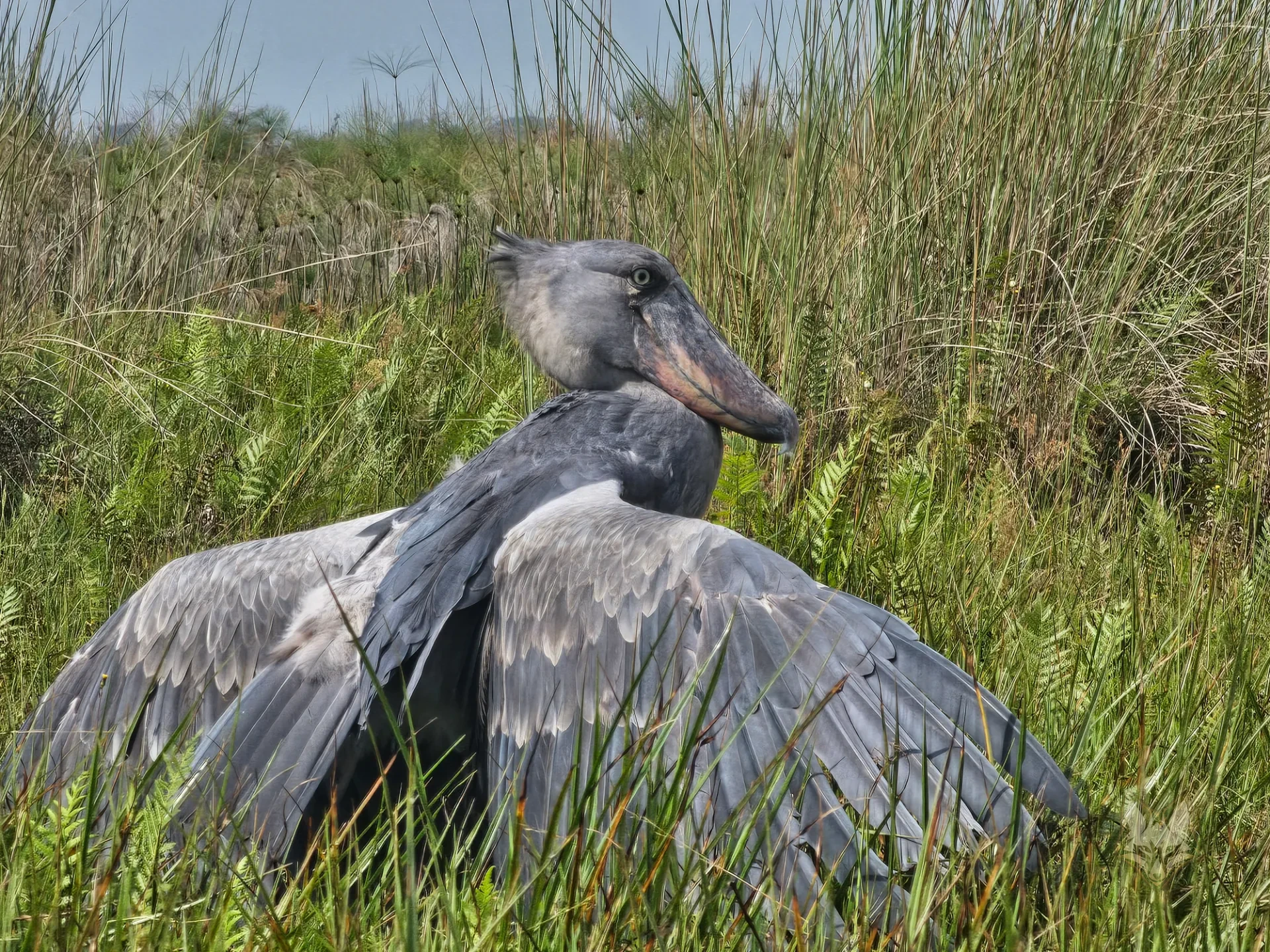
Uganda stands among Africa’s top birding destinations, harboring over 1,000 avian species—highlighted by the prehistoric Shoebill stork. Mabamba Swamp near Entebbe offers the most accessible site for wooden canoe excursions; rates for a standard 4-hour tour starting from Nakiwogo in Entebbe are tiered by group size.
For broader wildlife circuits, boat trips along the Nile Delta in Murchison Falls yield high-rewarding sightings.
The wet season presents the ultimate birding window: thousands of migratory birds arrive from Europe and North Africa, while resident species display vibrant breeding plumage, turning papyrus waterways and forest canopies into high-density avian sanctuaries.
River Nile/ Adrenaline Adventures in Jinja
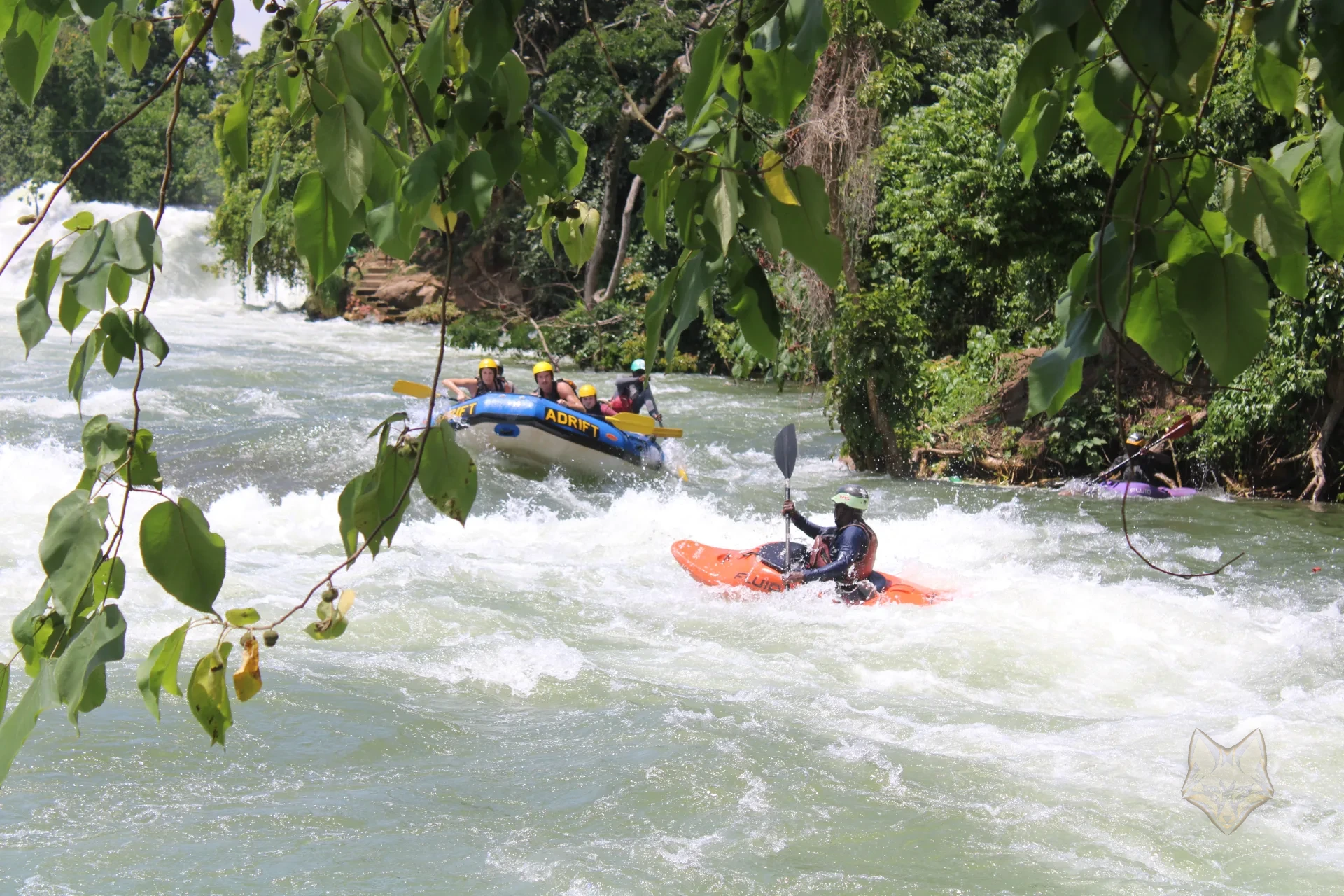
If you’re chasing a proper adrenaline rush, Jinja is where you need to be. Located just two hours East of Kampala, this spot sits right at the edge of the Nile River, and it is home to raw, unfiltered adventure.
The main event here is white-water rafting. Off the river, you can partake in a 44-meter bungee dive right over the source of the Nile, grab a paddle for some kayaking, or head inland for quad-biking and horseback riding through the surrounding villages.
Since the Nile stays warm year-round, you can visit anytime. But if you visit in the rainy months, high water levels swell the river.
Mountain Hiking
If you want real alpine thrills, Uganda’s peaks deliver everything from glaciated ridges to massive volcanic calderas. The big test is the Rwenzori range (“Mountains of the Moon”), where multi-day expeditions claw up to Margherita Peak at 5,109m.
If you prefer high-altitude trekking without technical ice gear, head east to Mount Elgon (4,321m) for a 4-to-5-day hike. For a brutal single-day leg burner, hit Mgahinga’s Virunga volcanoes—Mount Gahinga, Mount Sabyinyo, or Mount Muhabura.
Lock in your dates during the dry windows; you’ll want clear ridge views and manageable trails when pushing through the lower bamboo and giant lobelia bog zones.
Park-by-Park Regional Guide
When planning a safari route across the country, these are Uganda’s most popular national parks—the core pillars of any itinerary. Each destination brings its own unique landscape, wildlife, and ideal time to visit.
Murchison Falls National Park
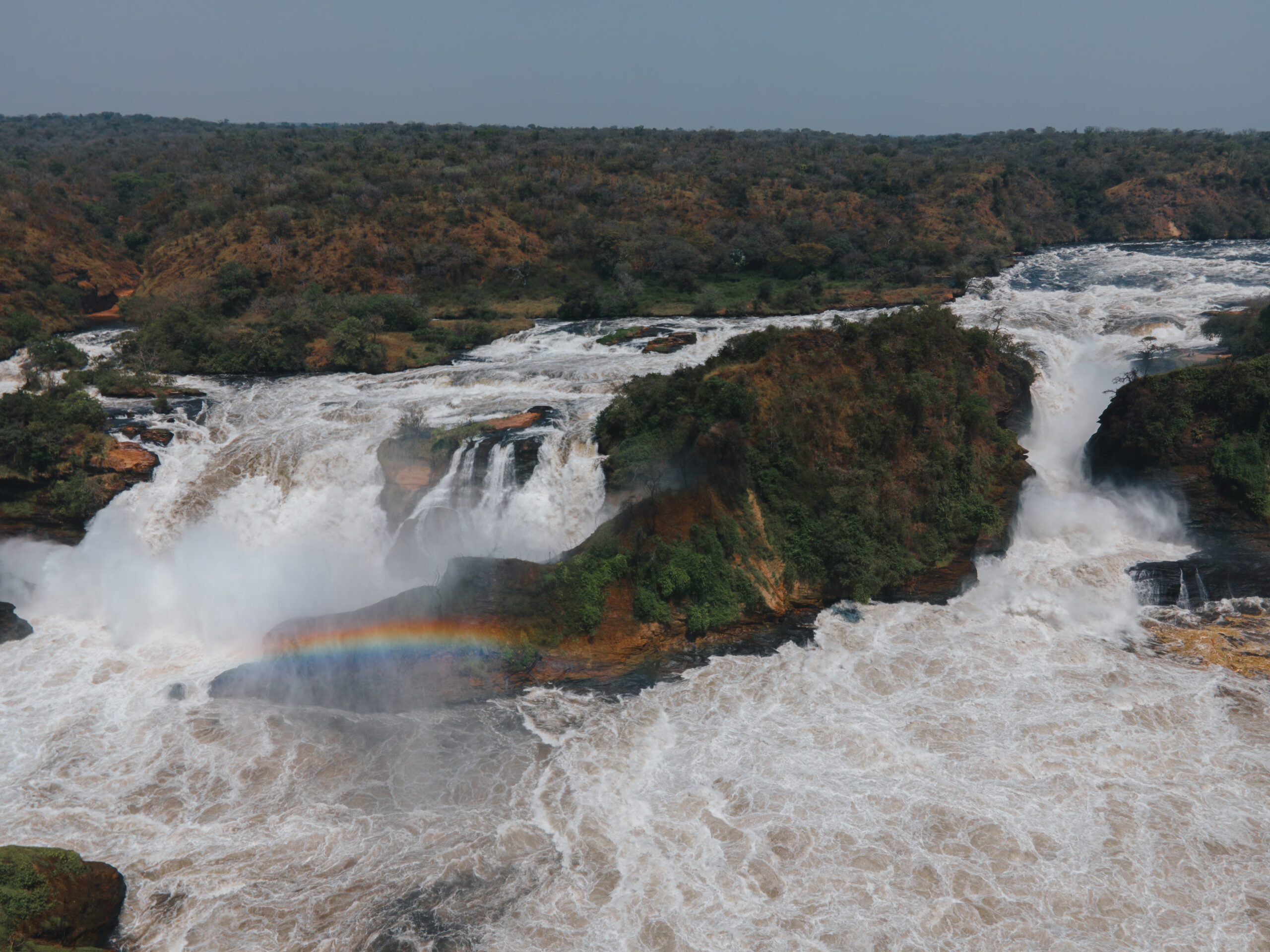
Years of running trips through Murchison Falls have taught us that small planning choices completely change your ground experience. Here are our essential field tips before setting off:
- Wear Neutral colors: Tsetse flies are drawn to dark blue and black, and bug spray won’t stop them. Stick strictly to light tan, khaki, or olive gear, and keep a light long-sleeve shirt handy.
- Beat the heat in Shoulder Months: Dry season heat (January–February) easily hits 35°C (95°F) with dusty tracks. Aim for late May or late November at the end of the rains for cooler weather, lush green scenery, and uncrowded tracks.
- Book the Nile Delta Cruise for Shoebills: You won’t find shoebill storks on the standard waterfall cruise. Book the early 7:00 AM Nile Delta Cruise downstream toward Lake Albert to spot them hunting in the papyrus swamps.
- Master the river banks (North vs. South): Prime predator action centers on the Northern Bank’s Buligi tracks. If staying on the South Bank, cross the river bridge before dawn to catch active big cats before midday shade sets in.
Queen Elizabeth National Park
Queen Elizabeth National Park is Uganda’s most popular game park, but its vast size and different sectors mean planning requires a strategic approach.
- Know your sectors: The park is divided into zones that are hours apart, each famous for something specific. Down south, the Ishasha sector is world-famous for its tree-climbing lions. Up north, the Kasenyi circuit is the most famous game drive circuit in the park; with massive breeding herds of Uganda Kobs (Uganda’s National Animal) and the lion prides that hunt them, it offers your best shot at classic savanna wildlife viewing.
- Visiting Katwe Salt Lake: Visiting Lake Katwe offers an insight into the manual salt-mining tradition that has existed for centuries.
- Chimp tracking in Kyambura Gorge: Tracking chimpanzees in the “Valley of Apes” (Kyambura Gorge) involves descending into a sunken rainforest. The hike in and out requires good boots and decent fitness, so prepare for a muddy, humid climb.
Kidepo Valley National Park
Kidepo is raw, isolated, and hands-down Uganda’s most dramatic landscape. Because it sits far up in the northeast corner near the South Sudan border, it requires smart planning.
- Narus Valley vs. Kidepo Valley (Know where the animals are): Focus on Narus Valley for wildlife. Its permanent water sources attract massive buffalo herds, lions, giraffes, and cheetahs year-round. The drier Kidepo Valley features sandy riverbeds, ostriches, and dramatic borassus palms, but far fewer animals
- Fly in or commit to the Drive: Driving from Kampala takes 10 hours. Fly into Apoka airstrip and land directly in the park and save a full day on the dusty roads.
- Beat the blistering heat: Daytime temperatures easily top 35°C, sending animals into deep shade by 10:00 AM. Start game drives at first light, then relax at your lodge during midday.
Bwindi Impenetrable National Park
Bwindi hosts half of the world’s mountain gorilla population, but trekking them through an ancient forest requires smart planning.
- Tracking vs. Habituation: Standard permits give you one full hour with a habituated gorilla group. For a richer encounter, book the Gorilla Habituation Experience in Rushaga to spend up to four hours alongside researchers and trackers.
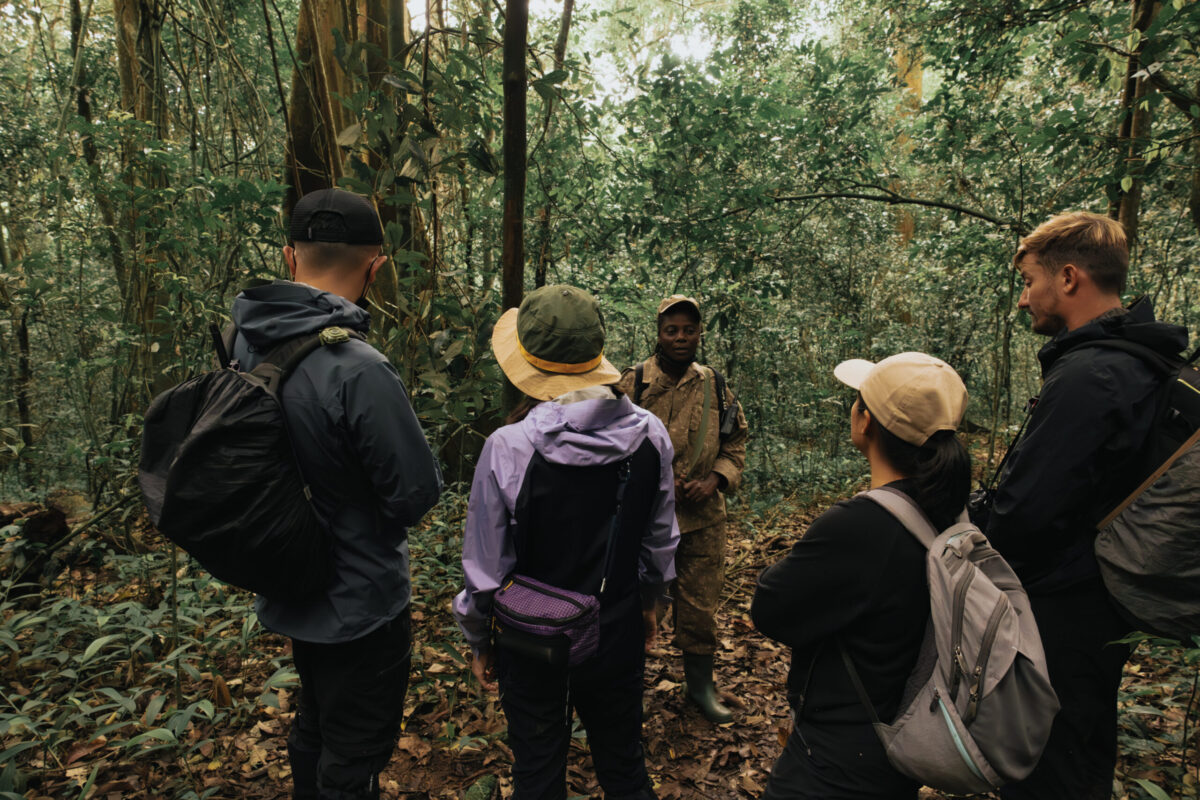
- Prepare for unpredictable Hikes: Treks range from 45 minutes to 6 hours depending on where the family nests. Prepare for steep, uneven terrain, carry at least 2 liters of water, and wear sturdy waterproof gear—rain falls in Bwindi year-round.
Read our full guide, Everything You Need to Know Before Your First Gorilla Trek, for a detailed breakdown of park sectors, fitness prep, trekking etiquette, and packing tips.
Kibale Forest National Park
Known as the Primate Capital of the World, Kibale holds the highest density and diversity of primates in Africa. Tracking chimpanzees through this dense jungle requires distinct tactics compared to mountain gorillas:
- Lock in the morning tracking slot: Uganda Wildlife Authority runs two main tracking sessions at Kanyanchu—morning (8:00 AM) and afternoon (2:00 PM). Always target the morning session. Chimpanzees are most active early in the day as they descend from their night nests.
- Add the Bigodi Wetland Sanctuary: After your forest trek, head immediately to Bigodi Swamp. Managed directly by the local KAFRED community project, this boardwalk trail offers birding—including sightings of the iconic Great Blue Turaco—and regular encounters with red colobus, L’Hoest’s, and black-and-white colobus monkeys.
Sample Uganda Safari Itinerary
14-Day Uganda Most Popular Luxury Safari
Best For: Travelers wanting the complete, top-tier circuit through Uganda’s national parks with a seamless mix of big game viewing, gorilla tracking, cultural experiences, chimpanzee tracking, and scenic transfers.
Safari Routes: Entebbe → Ziwa Rhino Sanctuary → Murchison Falls National Park → Kibale Forest National Park → Queen Elizabeth National Park → Bwindi Impenetrable National Park → Lake Bunyonyi → Lake Mburo National Park → Entebbe.
Highlights: Track rhinos on foot at Ziwa Rhino Sanctuary, witness Murchison Falls, track chimps in Kibale, embark on a game drive and boat cruise along the Kazinga Channel, spend an hour with mountain gorillas in Bwindi, engage with the Batwa pygmies, and wrap up with a bush walking safari or boat cruise in Lake Mburo.
View the Full Day-by-Day Itinerary & Booking Details on Our Website
Ready to Plan Your Uganda Safari?
Planning a Uganda safari shouldn’t be complicated. Whether you are securing gorilla permits, choosing between a dry season circuit or a quiet green season escape, identifying the best time to visit Uganda for your style is the first step.
We eliminate the complexity by managing every detail—from locking in your primate tracking permits to deploying our fleet of customized 4×4 safari Land Cruisers with expert driver-guides who know these parks inside and out. Get in touch with the Jackal Adventures team— we’ll build a custom itinerary around your budget and travel window.
[Send us an enquiry →] or WhatsApp us directly: +256 742 111 959