As a Uganda-based tour operator who has been running gorilla trekking safaris for years, we have noticed the questions and moments that come up again and again before guests step onto the trail for their first gorilla trek.
Uganda is the primary destination for mountain gorilla tracking and home to over half of the world’s remaining mountain gorilla population in two national parks. Uganda is also the only country where you can book the exclusive Gorilla Habituation experience, giving you four full hours with a troop instead of the standard one hour.
If you are getting ready for your first gorilla trek, here is the realistic, field-tested breakdown of everything you need to know:
Mgahinga features open bamboo slopes along volcanic peaks, housing a single habituated family (the Nyakagezi group). Bwindi is an expansive rainforest divided into four distinct tracking sectors:
Buhoma (North): Offers lower altitudes, gentler hikes, and top-tier luxury lodges. As the original tracking hub, trailheads see higher guest volume.
Rushaga (South): Features the most gorilla families, making permit availability easier for last-minute bookings. It is also the exclusive location for the 4-hour Gorilla Habituation Experience.
Nkuringo (South): Known for striking Virunga Volcano views and a quiet village atmosphere, featuring steep, physically demanding terrain.
Ruhija (East): A cooler, high-altitude sanctuary with lower foot traffic. Excellent for birdwatching and easily accessible when driving from Kabale.
A Quick Tip from Jackal Team: The biggest mistake we see travelers make is reserving a lodge before securing their gorilla tracking permits. Permits in Bwindi are strictly sector-bound, and slots fill up fast. If you lock down a stay in Buhoma first, but available permits for your dates are over in Rushaga, you’ll end up with an exhausting 5-6 hour drive across rough mountain roads at 4:00 AM just to make it to your morning trailhead briefing. Save yourself the stress: confirm your permit slots first, then pick your accommodation directly within that same sector.
Best Time to Visit Uganda for Gorilla Tracking
Given its location within a high-altitude rainforest, it can rain on any given day regardless of the month. However, the park remains open year-round as the weather follows a predictable pattern of two dry windows and two wet seasons.
The Dry Months (June–September & December–February)
For those who prefer stable footing and want to avoid navigating slippery mud, the dry windows offer the best tracking conditions. During these periods, the terrain is more manageable, canopy visibility improves, and vertical ascents are less grueling. Keep in mind that “dry” is a relative term in a high-altitude rainforest; you should still anticipate damp roots and unpredictable showers. Since this aligns with the peak travel season, UWA permits often vanish nearly a year in advance and popular lodges reach capacity quickly.
The Wet Months (March–May & October–November)
We get asked constantly whether the rain ruins the trek. In our experience running tours year-round, it rarely does–it simply changes what the day feels like. Wet seasons bring deep mud and slick slopes, transforming the hike into a true physical challenge. However, lush foliage means food is abundant on the lower slopes, often drawing gorilla families down from high ridges for shorter overall hikes. Lodges also offer discounted rates, and trails are far less crowded.
Breathable Rain Gear: Keep a lightweight jacket or poncho in your bag at all times, regardless of morning skies.
Gardening Gloves: Protect your hands when grabbing muddy roots, vines, and branches for balance on steep ascents.
Sturdy Waterproof Hiking Boots: High-traction boots with strong ankle support are essential for navigating slick mud and steep terrain.
Long-Sleeve Shirts & Trousers: Lightweight clothing protects against stinging nettles and thorns. Tuck your trousers into your socks to block trail ants.
Essentials for the Trail
Waterproof Daypack & Rain Cover: Protects your camera and packed lunch from sudden downpours.
Trekking Poles: Provide stability on steep descents and ease joint strain (park rangers often supply wooden walking sticks at the trailhead as well).
Wide-Brimmed Hat & Sunglasses: Protect against sun exposure along open ridge sections.
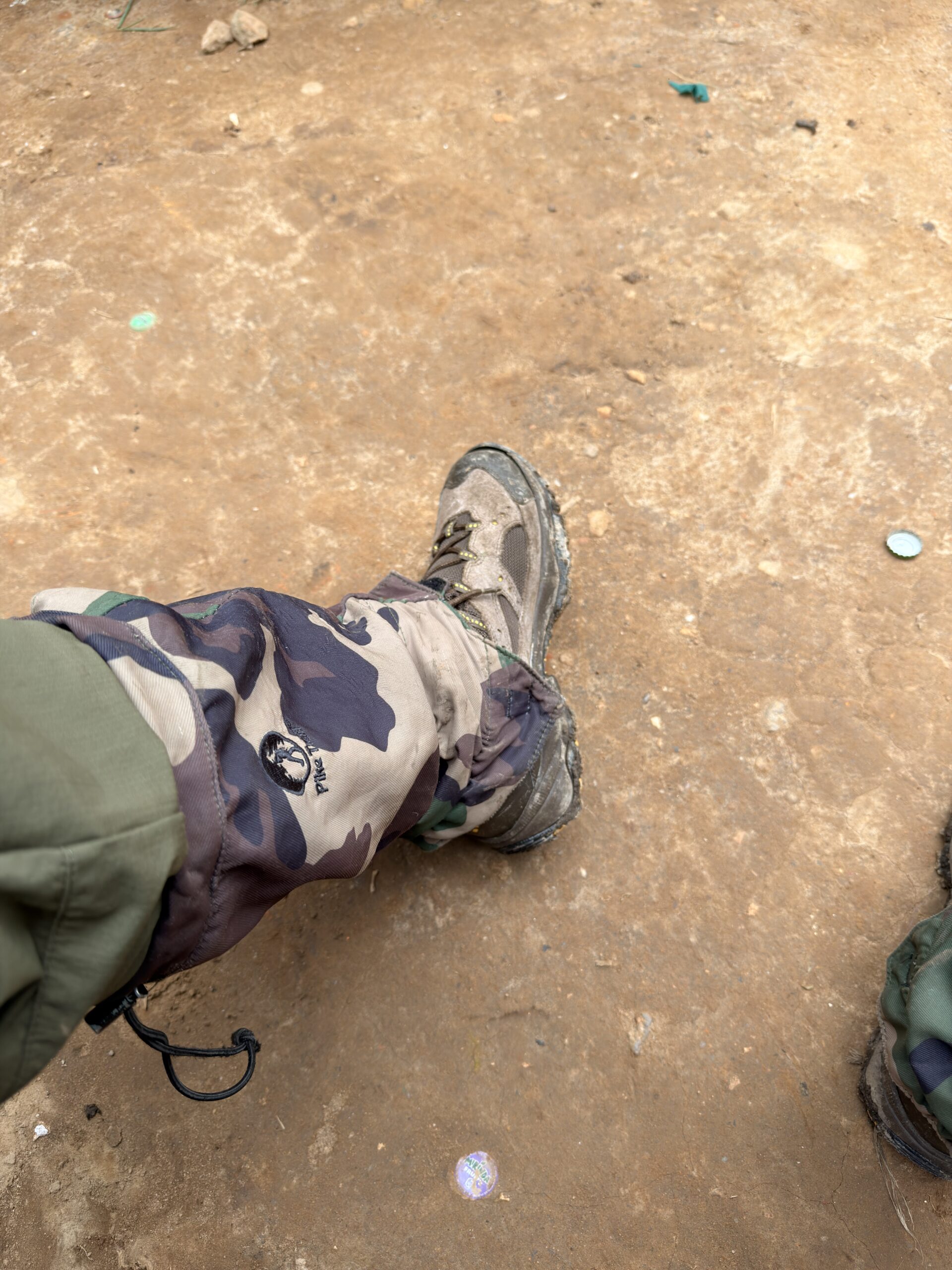
Gaiters: Strap over your boots to seal out mud, water, and crawling insects
Gaiters
Personal Health & Daypack Essentials
Water bottle (2–3 Liters): Carry enough water in a reusable bottle or use a hydration pack with a drinking hose. As treks can last anywhere from 2 to 7 hours.
Snacks: Energy bars, dried fruit, or nuts provide quick energy during long climbs.
DEET-Based Insect Repellent & Sunscreen: Apply before setting off to guard against tsetse flies, mosquitoes, and high-altitude UV rays.
Personal First-Aid Kit: Include blister plasters, antiseptic wipes, pain relievers, and any personal medication.
Note: While all of our safari vehicles carry first-aid kits for general emergencies, we strongly recommend that visitors pack their own personal medication and specialized health supplies for use on the trail.
Electronics & Documentation
Camera with Extra Batteries & Memory Cards: Flash photography is strictly forbidden near gorillas, so ensure flash settings are turned off.
Waterproof Dry Bags / Ziploc Bags: Safeguard your phone, passport, permit documentation, and cameras inside your backpack.
Passport & Trekking Permit: Required at the park headquarters before setting off into the forest.
Why You Should Hire a Porter
When our team briefs guests the night before their trek, we always recommend hiring a local porter. Guests who hire a porter almost always tell us afterward that it was one of the single best decisions of their day—even those who felt completely confident in their physical fitness before setting off.
For a fee of $20, a porter carries your daypack, offers a steadying hand on steep, muddy inclines, and lets you focus on the terrain. Beyond easing your hike, hiring a porter directly supports the surrounding community by providing income for local families.
Gorilla Trekking Etiquette: Essential Rules Every Visitor Must Follow
Preparing for your first gorilla trek means understanding that park officials in Uganda and Rwanda follow a unified code of conduct. These rules are based on rigorous wildlife research and decades of practical trail experience, creating a non-negotiable standard that protects both your safety and the gorillas’ health. Your ranger will review each protocol during the morning briefing before you set off into the forest.
1. Minimum Distance Requirement (7 Meters)
This is the rule we find ourselves repeating most during morning briefings. Gorillas share 98% of human DNA, making them highly vulnerable to human respiratory illnesses like colds and flu. Keeping distance protects troop health and prevents wild animals from feeling crowded.
2. Group Size and Daily Permit Limits
Gorilla trekking in Bwindi is always led by UWA-trained rangers and trackers who know the forest inside out. They take the lead on every trek, weaving through the dense undergrowth, reading subtle signs to locate the gorilla family, and making sure everyone stays safe along the way.
8-Visitor Maximum: Every habituated gorilla family is visited by a single group of no more than 8 people per day to minimize noise and behavioral disturbance to the troop.
3. Wear a Face Mask During the Trek
Wearing a face mask during the gorilla encounter has become a health protocol across the parks. These primates are vulnerable to human respiratory infections, so even a mild cold can quickly turn serious for a family troop. Visitors are required to put on a surgical mask as soon as they reach the 7-meter mark.
4. Visitor Age Limit (15 Years )
Gorilla trekking is strictly limited to individuals aged 15 and older to ensure visitors can handle the physical terrain and remain calm around wild primates.
5. No eating, Drinking, smoking, or Littering in the Forest
Eating, drinking, and smoking anywhere near the gorillas is strictly prohibited. Food crumbs and smoke can spread germs, attract unwanted scavengers, or agitate the troop. If you need water or a snack, just let your guide know, and they will set a safe break spot further back on the trail.
6. Do not use Flash Photography
Always turn off your flash before you start taking photos; bright, sudden bursts of light can startle the gorillas and make the troop feel threatened. Keep your camera sound on silent, so you can capture those incredible moments without disturbing them.
7. Report Illness Before the Trek
If you feel unwell or show symptoms of a cold, flu, or stomach bug on the morning of your trek, you must notify your guide or warden immediately. Because mountain gorillas lack immunity to common human illnesses, sick visitors will not be allowed to trek.
8. Follow the One Hour Rule
Once your group locates the gorilla family, your time with them is strictly capped at one hour. This limit keeps the primates from becoming stressed by human presence and allows them to carry on with their natural feeding and resting routines.
9. Fitness requirements
“Will I actually be able to handle the hike?” This is one of the most common questions nearly every first-time guest asks before booking.
The honest answer: treks run anywhere from 2-7 hours through steep jungle and mud, so a moderate baseline fitness helps. Good leg strength and balance make navigating slippery roots much easier.
You don’t have to tackle it alone, either. Local porters are on hand at the trailhead to carry your pack and steady your footing, while sedan chair stretchers are always available for guests needing full mobility support.
What To Expect on Your First Gorilla Trek
Arrive early at the park headquarters on your trek morning. While your guide handles passport check-in, you can use the restrooms and enjoy traditional music and dance performances by local community members.
Once check-in is complete, everyone gathers for the main briefing. Rangers will take you through the ground rules, what to expect on the trail, and practical details like handling bathroom breaks in the forest. From there, groups are called upon and assigned to a specific gorilla family based on physical ability and trail conditions.
Before heading out, your group ranger will introduce your gorilla troop and review safety steps.
This is also the moment to hire your personal porter, who will be assigned directly to you before you step onto the trail.
Top Activities You Can Combine with Gorilla Trekking
A face-to-face encounter with mountain gorillas is an East African safari Highlight, but Uganda’s close-knit parks make combining adventures seamless.
Chimpanzee Tracking in Kibale: Experience high-energy canopy drama with wild chimps in the primate capital of the world.
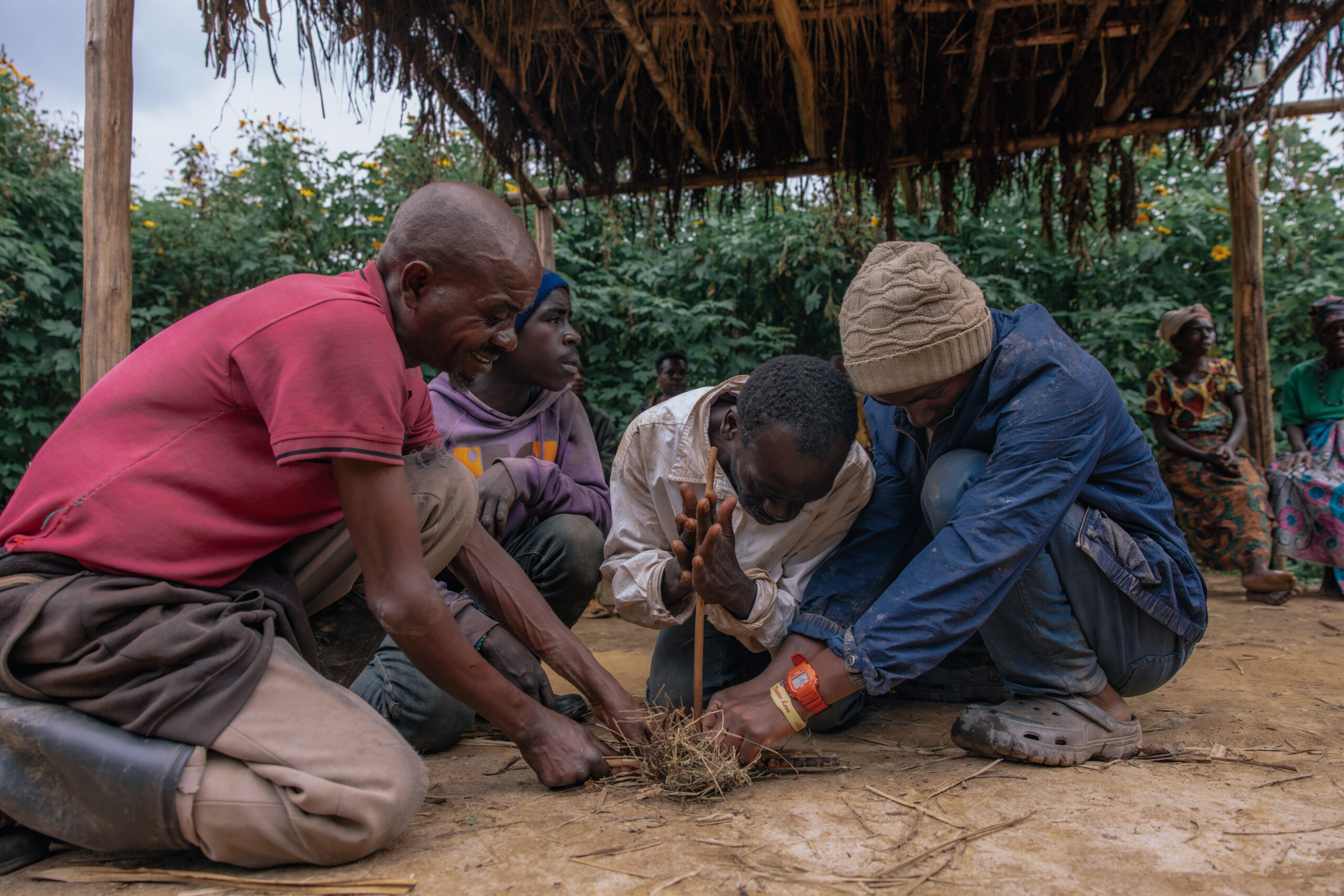
Batwa Cultural Experience: Guided forest walks with indigenous Batwa elders reveal traditional hunter-gatherer survival techniques, medicinal plant use, and ancient music.
Golden Monkey Tracking: For those trekking gorillas in Mgahinga, you can spend an extra morning tracking endangered golden monkeys. These fast-moving primates live in the bamboo zones along the volcanic slopes and offer incredible photography opportunities.
Frequently Asked Questions (FAQs)
Are Gorilla Sightings Guaranteed?
Not technically—wild animals move freely—but Uganda’s success rate is over 99%.
Every morning, UWA trackers head out at dawn. They trace overnight nests and footprints to find the troop. Before your hike begins, trackers radio exact locations to your guide, making a missed sighting extremely rare.
2. Can I touch the Gorillas?
No, touching the gorillas is strictly prohibited. Even though habituated mountain gorillas are used to human presence, they are still wild and extremely powerful animals.
3. Why Choose Uganda for Gorilla Trekking?
Uganda hosts over half the world’s mountain gorillas across Bwindi and Mgahinga. Permits cost $800—nearly half of Rwanda’s $1,500 fee. You can also easily combine gorilla treks with chimps and classic savanna safaris in one trip.
4. How to book a gorilla trekking permit?
Book your gorilla permit through a licensed tour operator like Jackal Adventures Africa. Simply contact us with your preferred travel dates and destination (such as Bwindi, Mgahinga).
The team will check real-time availability, hold your slot, and secure the permit once payment clears. They also match your permit sector to your lodge location for a seamless itinerary.
Plan Your Gorilla Trek With Jackal Adventures Africa
Every gorilla trek is unique, with costs varying based on your preferred dates, accommodation style, group size, and chosen sector.
Share your travel plans with Jackal Adventures Africa, and our team will check real-time permit availability, match your lodge locations, and build a custom itinerary crafted around your schedule and budget.
Send us an enquiry → or WhatsApp us directly: +256 742 111 959
To provide the best experiences, we use technologies like cookies to store and/or access device information. Consenting to these technologies will allow us to process data such as browsing behavior or unique IDs on this site. Not consenting or withdrawing consent, may adversely affect certain features and functions.
Functional
Always active
The technical storage or access is strictly necessary for the legitimate purpose of enabling the use of a specific service explicitly requested by the subscriber or user, or for the sole purpose of carrying out the transmission of a communication over an electronic communications network.
Preferences
The technical storage or access is necessary for the legitimate purpose of storing preferences that are not requested by the subscriber or user.
Statistics
The technical storage or access that is used exclusively for statistical purposes.The technical storage or access that is used exclusively for anonymous statistical purposes. Without a subpoena, voluntary compliance on the part of your Internet Service Provider, or additional records from a third party, information stored or retrieved for this purpose alone cannot usually be used to identify you.
Marketing
The technical storage or access is required to create user profiles to send advertising, or to track the user on a website or across several websites for similar marketing purposes.