
Uganda Gorilla Trekking Cost 2026: Full Breakdown
August 6, 2026
Everything You Need to Know Before Your First Gorilla Trek in Uganda
August 26, 2026
If you’re weighing up a Rwanda gorilla trek, the number you’ll see everywhere is $1,500 — that’s the standard foreign non-resident permit price, set by the Rwanda Development Board (RDB). But that figure on its own doesn’t tell you what a real trip costs once transport, lodging, meals, and tips are added, and it doesn’t answer the questions that actually come up once you start planning — how far in advance to book, what a mom traveling with a teenager needs to know, or what happens on the day itself. This guide covers all of it.
Quick Answer
The Rwanda gorilla permit costs $1,500 per person for foreign non-residents in 2026. A full 3-day trip — permit, transport from Kigali, accommodation, meals and tips — typically runs from around $3,900 on the budget end to $8,000+ for a luxury experience, depending on your lodge tier and how you travel. Below, every cost is broken down individually so you can build a real budget rather than working from a single headline number.
The One-Day Option — A Genuine Rwanda Advantage
Because Volcanoes National Park is only 2–3 hours from Kigali International Airport, Rwanda offers something Uganda’s longer transfer times make impractical: a genuine one-day gorilla trek. Fly into Kigali, drive to the park, trek, and fly out the same day or the next morning — no multi-night stay required if your schedule is tight.
This isn’t the cheapest way to trek — a one-day trip typically runs from around $1,700 per person once the permit, private transport, and guide are factored in, since you’re not spreading transport and guiding costs across multiple days. But for travelers with limited time who still want the full gorilla trekking experience, it’s a real, workable option that Uganda’s 8–9 hour drive to Bwindi simply doesn’t allow for.
Is Volcanoes National Park the Only Place to Trek in Rwanda?
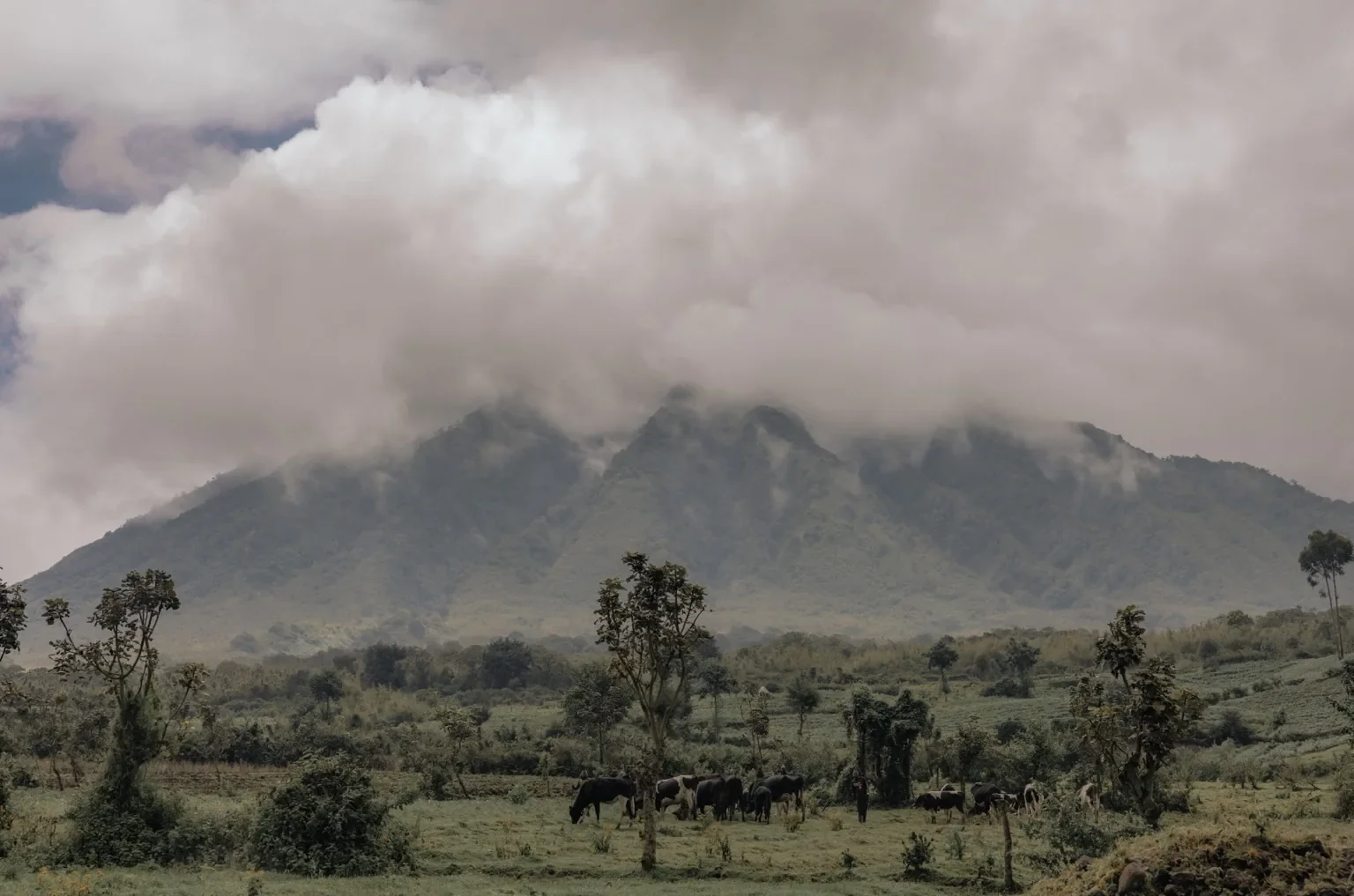
Yes — and this is a genuine difference from Uganda worth knowing before you plan. Uganda offers two separate gorilla trekking locations (Bwindi Impenetrable National Park and Mgahinga Gorilla National Park), but Rwanda has only one: Volcanoes National Park, on the northwestern border with the Democratic Republic of Congo. Every single gorilla permit issued in Rwanda — standard, private, or otherwise — is for this one park.
That’s not a limitation so much as a simplification: there’s no sector-vs-sector decision to make the way there is in Bwindi. All 14 habituated families live across the same park, on the slopes of the Virunga volcanoes, and which family you’re assigned to is decided on the morning of your trek based on your fitness level and the rangers’ latest tracking reports — not a park you choose in advance.
The Permit — What It Actually Costs
Rwanda’s gorilla permit is issued directly by the Rwanda Development Board, and the price is fixed regardless of which tour operator you book through.
2026 permit pricing by category:
What the standard permit includes:
- Park entrance fee for Volcanoes National Park
- A fully guided trek to your assigned gorilla family
- One hour with the habituated gorilla family
- Ranger guide and tracker services
Not included: transport to the park, accommodation, meals, or tips — all covered below.
Why the Permit Costs What It Does
Rwanda deliberately prices its permit higher than neighboring countries as part of a “low volume, high value” tourism strategy — the idea being fewer visitors, less pressure on the gorillas and the park, and a larger conservation return per visitor. A meaningful share of every permit fee funds anti-poaching patrols, veterinary care for the gorilla population, ranger and tracker salaries, and community development projects in the villages surrounding Volcanoes National Park.
The One Real Discount Worth Knowing About
For most foreign non-resident visitors, there’s a single meaningful way to reduce the permit cost: RDB’s low-season combination discount. If you visit Rwanda outside peak season (roughly November through May, excluding the short dry spell) and combine your gorilla trek with visits to two other Rwandan national parks — typically Akagera and Nyungwe — the permit price drops by around 30%, to approximately $1,050 per person. During the high-tourism months of June through October, the standard $1,500 rate applies across the board, with no combination discount available.
If your itinerary is flexible and you’re open to seeing more of Rwanda beyond the gorillas, this is genuinely worth planning around.
Daily Permit Numbers — Why Booking Early Matters
Volcanoes National Park issues permits for 14 habituated gorilla families, with a maximum of 8 visitors per family per day — 112 permits total, per day, for the entire country. That’s a hard ceiling, not a soft target, and it’s the reason gorilla trekking sells out months in advance during peak season.
For June–September and December–February travel, booking 6 months or more ahead is a reasonable target. Outside peak season, permits can sometimes be secured with less notice, but “sometimes” is doing real work in that sentence — waiting until a few weeks before your trip is a common and avoidable planning mistake.
The Private Gorilla Trekking Experience — A Very Different Product
Rwanda also offers a genuinely exclusive private trekking option, and it’s worth understanding clearly because the price gap catches people off guard: a private gorilla trekking experience costs a whopping $15,000 per person — that number is not a typo, and it’s not a markup added by tour operators. It’s the actual RDB-set price for this specific product, or around $30,000 for a minimum of three people across three consecutive days for a full behind-the-scenes access experience.
This is not simply “a private guide instead of a group tour” — the vast majority of standard gorilla treks already move in small assigned groups of up to 8 people with a dedicated ranger guide. The $15,000 private product is a fundamentally different tier: exclusive access to an entire habituated family with no other visitors present, a fully personalized itinerary, and priority logistics throughout. It’s built for a very specific kind of traveler — photographers wanting uninterrupted access, or guests who simply want total exclusivity — and it should not be confused with the standard permit most trekkers book.
Beyond the Permit: What Else You’re Paying For
Transport to Volcanoes National Park
Volcanoes National Park sits roughly 2–3 hours from Kigali International Airport by road — genuinely one of the most accessible gorilla trekking parks in the world, and a real point of difference for travelers short on time.
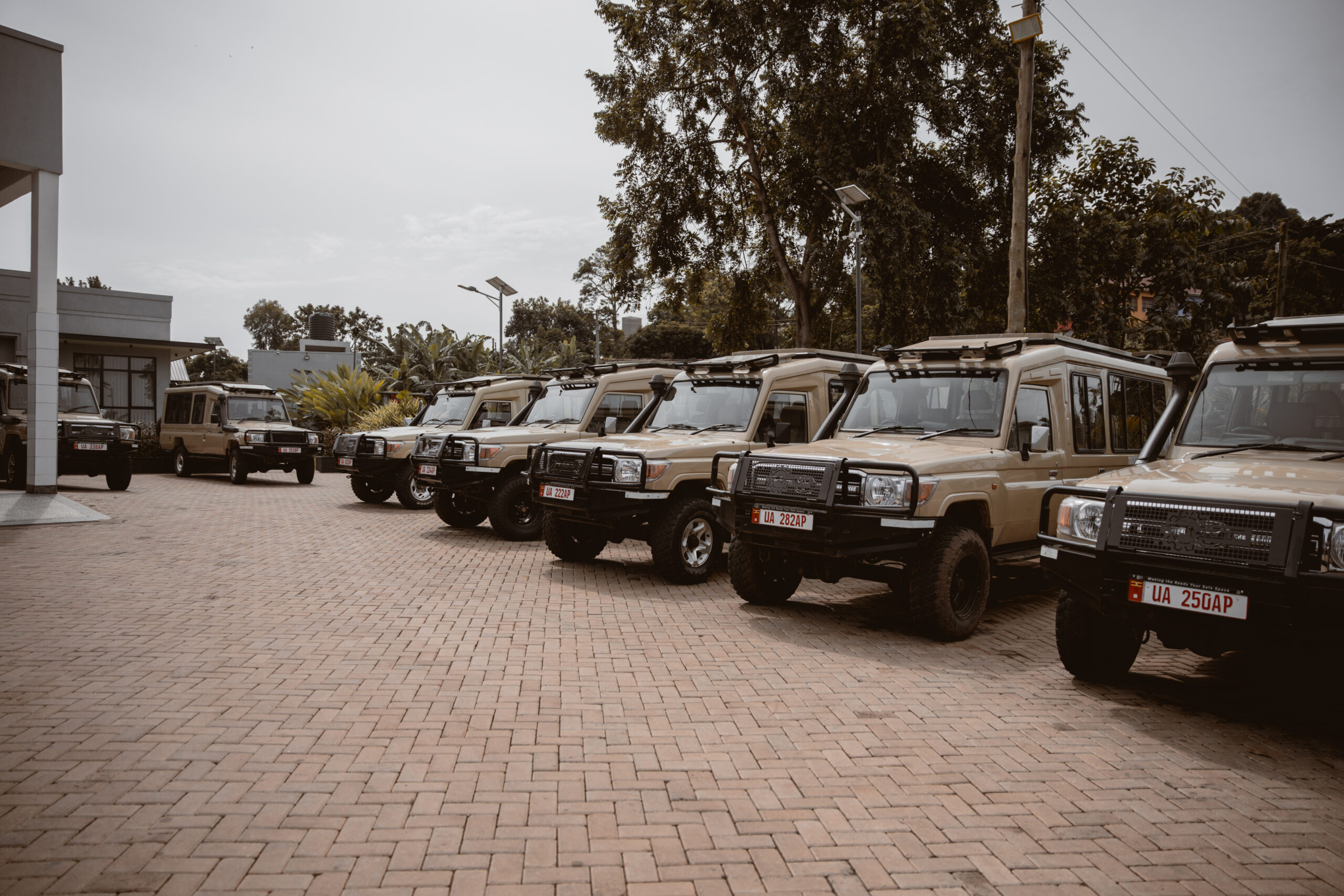
- Private vehicle with driver-guide — the standard choice for organized safaris, at ~$300 per day.
Accommodation
Musanze (Ruhengeri), the town nearest Volcanoes National Park, has lodging spanning simple guesthouses to some of the most talked-about luxury lodges in East Africa.
|
|
Meals
Most mid-range and luxury lodges include full board (breakfast, lunch, dinner) in the nightly rate. However, mid-range and luxury travelers should still budget around $40 per day to cover lunch en route to or from the park on trekking days, since that meal typically falls outside the lodge’s included dining.
Porter Hire
A porter is optional but genuinely worth it — Volcanoes National Park sits at altitude, the terrain is steep and often muddy, and porters are hired from the local community, so the fee goes directly to the people living around the park.
Porters cost $20 per day.

Tips
Tips are not included in the permit, your lodge rate, or your package price — budget for them separately, on top of everything above.
|
|
These are benchmarks, not fixed requirements — tipping is customary in Rwanda but not obligatory. Clean, small-denomination US dollars or Rwandan francs both work.
A 3-day / 2-night gorilla trekking safari with Jackal Adventures comes out to about $3,090+ ( Midrange per person). It includes the mandatory $1,500 gorilla permit, private 4×4 safari vehicle, accommodation, and all meals throughout the trip. Just keep in mind that a few direct out-of-pocket expenses aren’t included in that rate, namely hiring a porter on trek day ($15–20) and tipping your drivers and guides.
How to Save Money on Your Rwanda Gorilla Trek
- Combine your trek with Akagera and Nyungwe during low season for the ~30% permit discount ($1,050 instead of $1,500) — the single biggest lever available to foreign non-resident visitors.
- Book your permit and accommodation as one package rather than separately — bundled pricing is typically more efficient than assembling each piece yourself.
- Fly into Kigali rather than routing through Entebbe if Rwanda is your only East Africa stop — it removes an unnecessary leg of travel and cost.
What It Costs to Actually Get There
Every cost above assumes you’re already in Rwanda. Getting there is a real, often-overlooked chunk of the total budget, so here’s what to expect for the pieces outside the trekking trip itself.
|
|
||
None of these are included in the sample trip breakdown above, but for a first-time visitor budgeting the whole trip rather than just the trek, they’re very real numbers to plan around — often adding $1,000–$1,500 or more to the total before you even reach Musanze.
Beyond these, personal trekking gear and any pre- or post-trek extensions (Akagera, Nyungwe, Lake Kivu, Kigali city touring) sit outside this budget entirely and are worth planning for separately.
A Few Practical Things Worth Knowing Before You Go
Face masks are required during the gorilla encounter itself. Just as in Uganda, Rwanda requires all trekkers to wear a face mask for the hour spent with the gorilla family, to protect them from human respiratory illnesses. It’s enforced by rangers, not optional.
Walking sticks are provided free at the trailhead. Volcanoes National Park hands out sturdy wooden walking poles before you set off. If you already use your own trekking poles, you’re welcome to bring them — the provided ones are simply the default, not a requirement to use.
The terrain is steep, volcanic, and can be cold. Unlike Bwindi’s dense rainforest, Volcanoes National Park sits at a higher altitude on the slopes of the Virunga volcanoes — trails are often steep, occasionally muddy, and mornings can be genuinely cold before the sun burns through. Layers matter more here than insect protection, though gaiters are still worth having for wet-season mud.
For First-Time Visitors and Parents Traveling with Teens
Is Rwanda safe for first-time travelers? Rwanda is widely regarded as one of the safest, most orderly countries in Africa for tourism, with well-maintained roads to the park and a tourism sector built around exactly this kind of visitor.
What language is spoken? Kinyarwanda is the national language, but English and French are both widely spoken in tourism, hospitality, and by park staff — you won’t need either local language to get by comfortably.
Do I need a visa? Most visitors can apply for an East Africa Tourist Visa or a standard Rwanda visa online in advance. This is a separate cost from everything in this article’s trip breakdown.
What currency should I bring? US dollars are widely accepted for permits and larger payments; Rwandan francs are useful for smaller purchases. Bring clean, undamaged bills.
Can I bring my teenager? Yes, provided they’re at least 15 — RDB’s minimum age requirement, applied strictly, for the same reason as Uganda: protecting gorillas from human illnesses young children may carry. There’s no separate youth pricing; anyone 15 or older pays the standard adult rate for their category.
How physically demanding is it, really? Treks range from around 2 to 7 hours round-trip depending on where the gorilla family is on the day, over genuinely steep and sometimes muddy volcanic terrain. It’s manageable for most reasonably fit teens and adults, but it is not a casual walk — a porter is a sensible option for anyone unsure of their fitness level, not just older travelers.
Frequently Asked Questions
Is the permit refundable if I need to cancel? Generally no — permits are non-refundable once booked. Rescheduling policies exist but are handled case by case through RDB or your tour operator, and are not guaranteed.
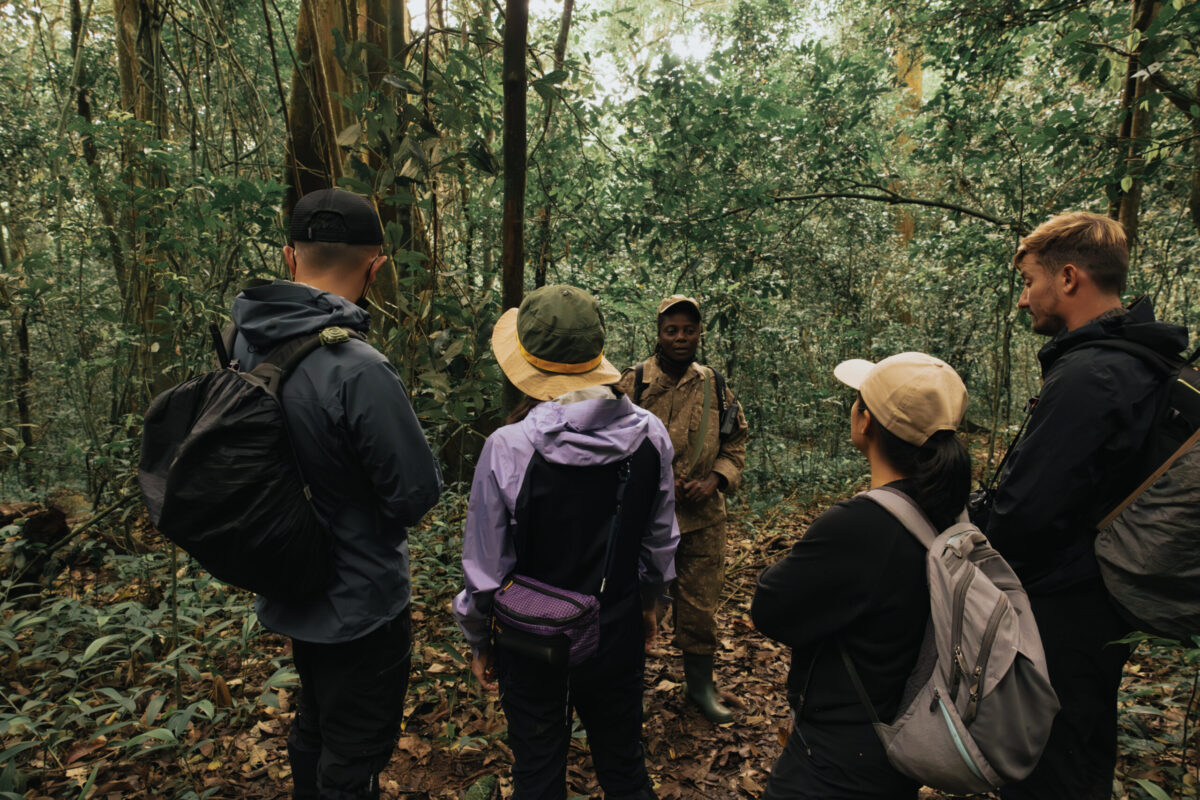
How are trekkers assigned to a gorilla family? Rangers assess each visitor’s fitness level during the morning briefing at park headquarters and assign groups to gorilla families accordingly — less strenuous, closer families for those who prefer an easier hike, and further, more demanding treks for those who want it.
How many people are in each trekking group? A maximum of 8 visitors per gorilla family, per day — the same ranger-enforced limit that applies across all 14 habituated families.
Is the $1,500 permit price likely to change? RDB reviews pricing periodically, but the standard rate has held steady across recent years. Always confirm current pricing directly with RDB or your operator before finalizing a booking, since permit fees can be adjusted with limited notice.
Can I photograph the gorillas? Yes, but flash photography is explicitly banned to avoid distressing the gorillas — disable it on your camera and phone before the trek begins.
Ready to Plan Your Rwanda Gorilla Trek?
Every Rwanda gorilla trekking budget looks different depending on your dates, your lodge choice, and whether the low-season combination discount fits your itinerary. If you’d like a real cost breakdown built around your specific plans rather than a general estimate, get in touch with the Jackal Adventures team — we’ll build a custom itinerary around your budget and travel window.
[Send us an enquiry →] or WhatsApp us directly: +256 742 111 959
Planning a gorilla trekking trip to Uganda or Rwanda? Our free Uganda vs Rwanda Gorilla Trekking Cost Guide — covering permit prices, accommodation tiers, transport and total trip budget examples for both countries — launches September 2026. [Enquire now to be the first to receive it →]