
Best 5 Animals in Maasai Mara
February 12, 2026
First-Time Safari in Africa? Read This Before You Book
February 12, 2026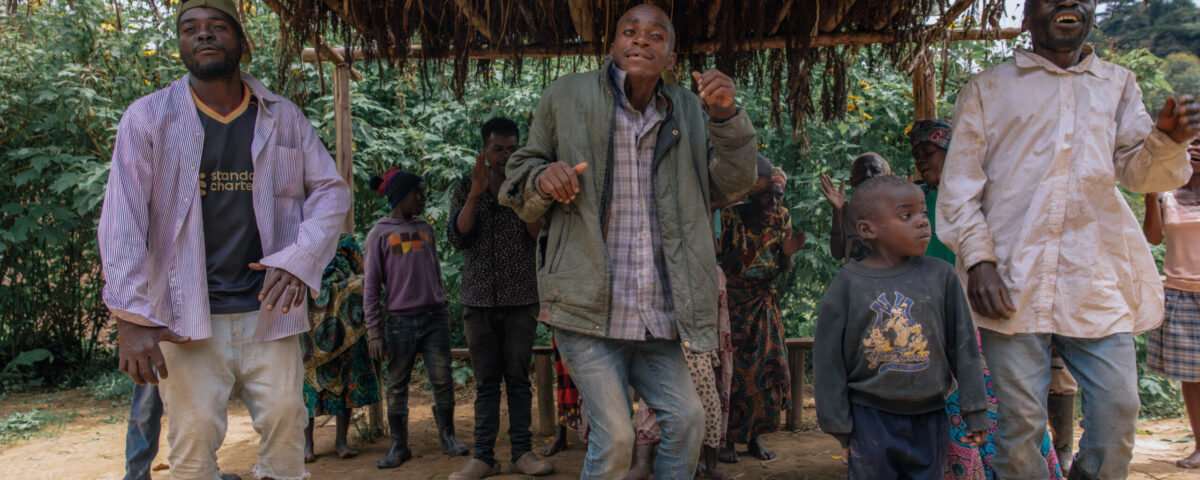
The Batwa community visit is a community-led rainforest walk designed by the Batwa people themselves to share their forest heritage while keeping their traditions alive for their own children and future generations. Guided by Batwa hosts through the jungle surrounding Bwindi, visitors get a direct look at traditional survival in the wild—learning to identify native medicinal plants, start fires from scratch, aim a wooden bow and arrow, and hear age-old legends and music. Beyond being an active, educational trek, it turns cultural preservation into a sustainable income source that directly supports local families.
Who Are the Batwa?
The Batwa (also locally known as the Twa) are the original forest keepers of southwestern Uganda. Long before Bwindi became a protected national park and World Heritage Site, they lived deep inside these ancient trees as hunter-gatherers.
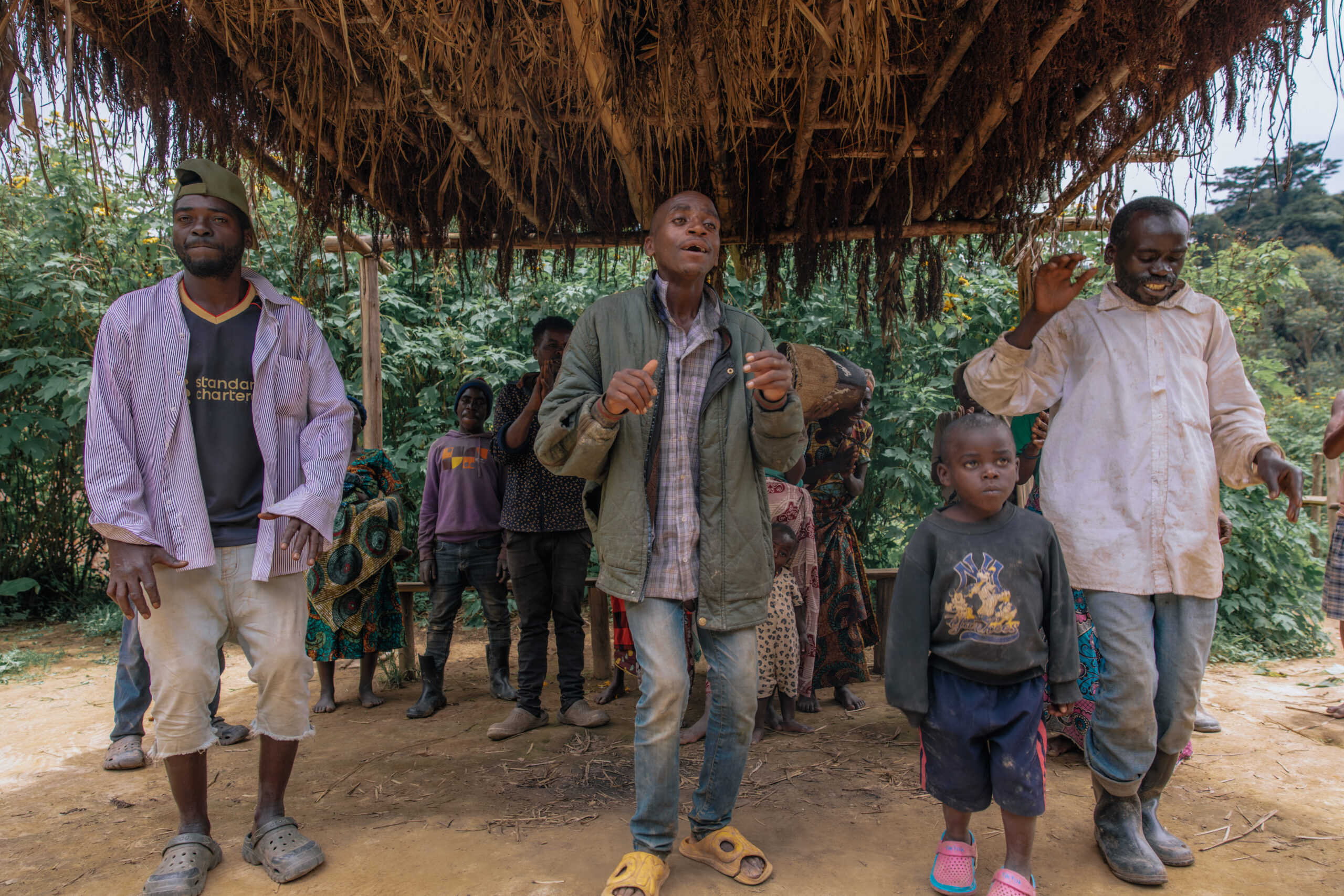
Their entire culture revolved around the forest—using wooden bows to hunt, gathering wild honey, harvesting herbal medicines, and passing down forest traditions through music and dance. The forest was their home, pharmacy, and sanctuary.
Everything changed in 1991 when the government declared the Bwindi Impenetrable Forest and Mgahinga Gorilla National Park as protected areas to protect Uganda’s critically endangered mountain gorillas and their habitat. The Batwa were evicted overnight, with almost no compensation or land given in return. Today, strict park boundaries prevent them from gathering traditional foods or visiting their ancestral burial grounds.
As a local operator walking these trails, we see how hard this transition has been. Forcing a forest-dwelling culture into a modern agricultural economy overnight created deep social and economic struggles. When you join a Batwa community visit, you aren’t just taking a cultural tour—you help preserve a vanishing culture and support a resilient community rebuilding its future.
What to Expect During a Batwa Visit
A Batwa community visit typically lasts between two and three hours along gentle forest trails bordering Bwindi. Instead of sitting through a staged lecture, you take part in an interactive, living-history walk led by elders and young guides who bring their heritage to life:
- A warm, community-wide welcome: You are greeted with genuine warmth as elders, adults, and children participate together.
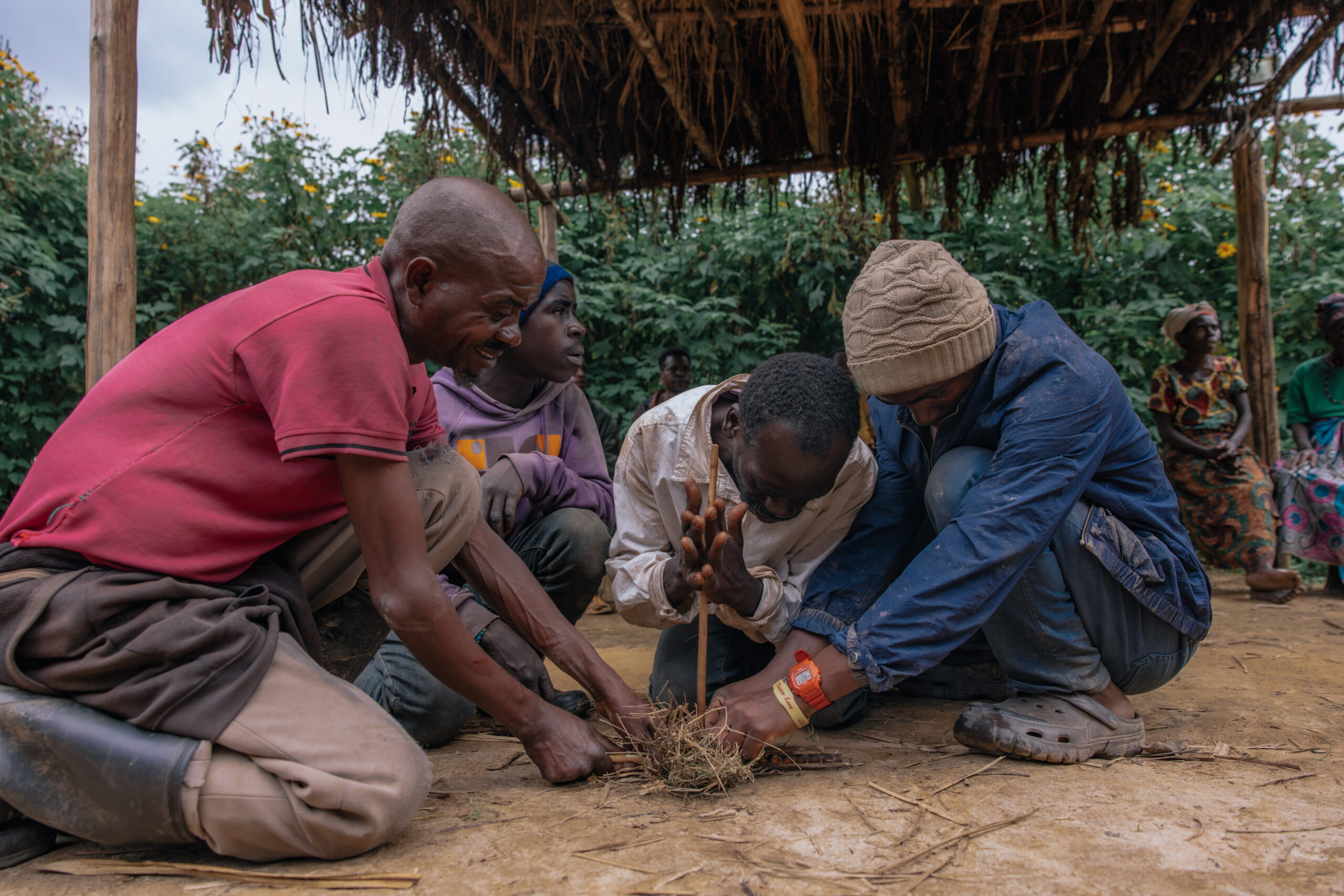
- Traditional Fire-Making: Watch them rub dry wooden sticks together to start a fire in seconds—without matches or modern tools.
- Medicinal Plant Demonstration: Elders pick leaves, roots, and tree bark along the trail, explaining how their ancestors cured stomach aches, snakebites, and fever.
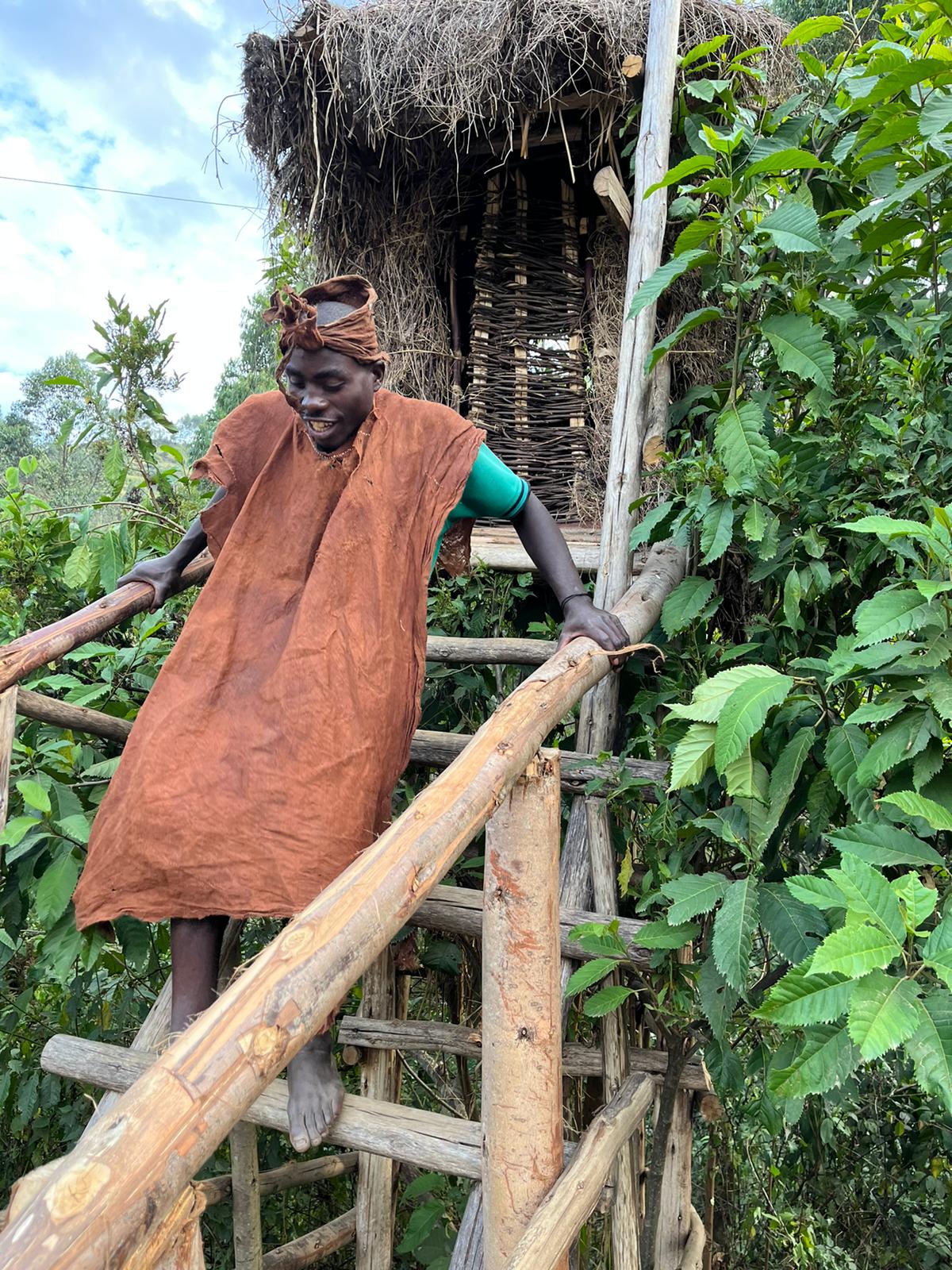
- Archery and Shelter Building: Step inside replica leaf-and-bamboo huts used in the high canopy, then test your aim with hand-carved wooden bows and arrows under expert guidance.
- Music, Drumming, and Storytelling: Wrap up the trail experience with performances from the elders who play traditional instruments, drum, and lead energetic dances that celebrate their deep spiritual connection to Bwindi.
- Handmade crafts & Photography: Enjoy plenty of opportunities for respectful photography, and browse unique, hand-woven crafts sold directly by Batwa artisans to support their households.
How to Visit Ethically
Visiting the Batwa people requires genuine respect and cultural sensitivity. Follow these tips to ensure your visit respects the community and delivers real benefits:
- Book Through Official Community Initiatives: Choose authentic, community-run tours like the Batwa Experience in Buhoma or the official Batwa Trail in Mgahinga. These programs ensure tour fees reach Batwa households directly.
- Buy Handcrafted Souvenirs: Support local artisans directly by purchasing hand-woven bamboo baskets, carved wooden mountain gorillas, or beaded jewelry. Buying directly puts cash into the hands of local mothers and craftsmen.
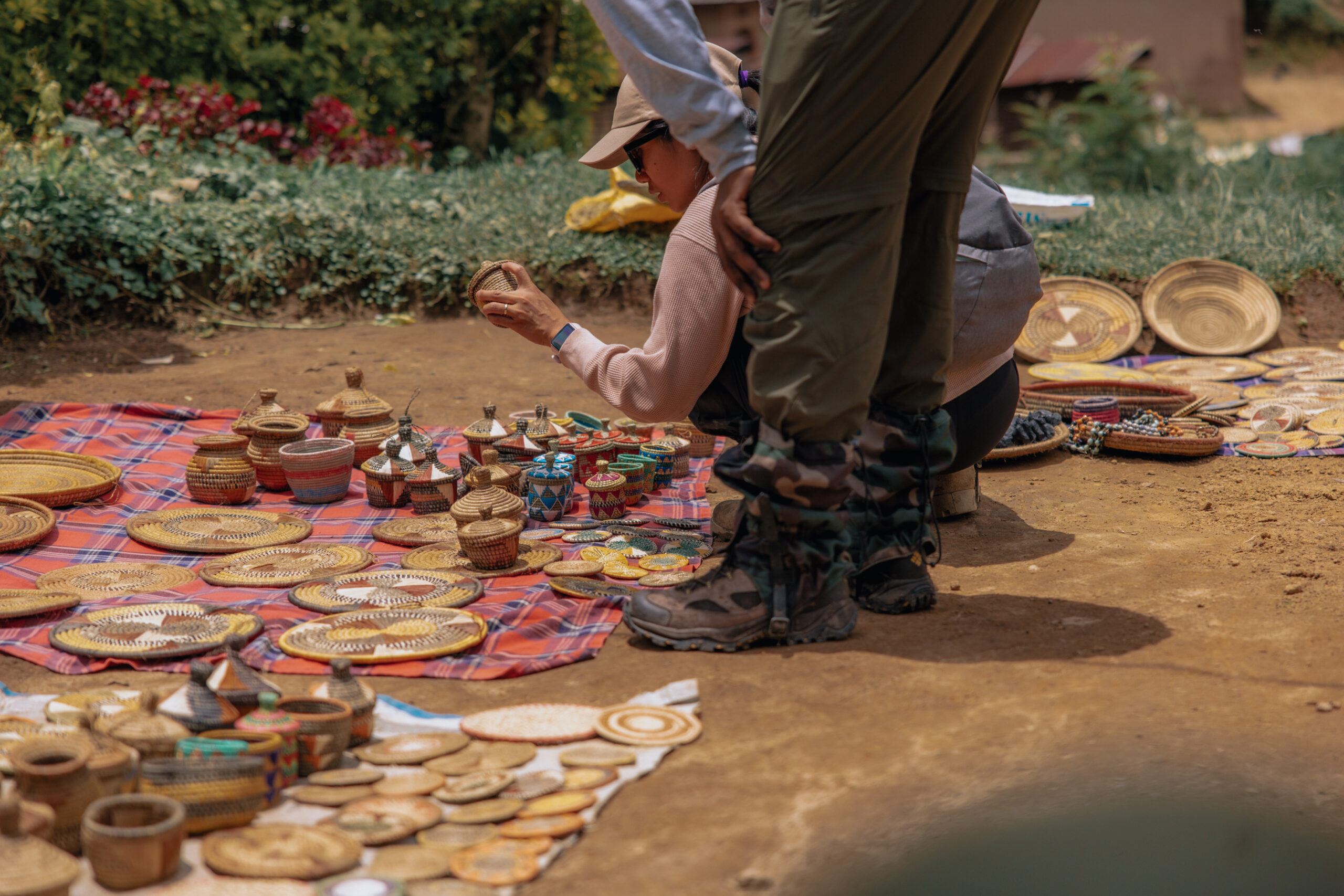
- Ask Before Taking Photographs: Always request permission from your guide or the individual before taking close-up photos, especially of elders and children. Treat people with the same dignity you expect in your own hometown.
- Interact with Respect: Treat the tour as an open exchange rather than a show. Ask thoughtful questions about their culture, listen actively, and engage warmly with your guides.
- Avoid Giving Handouts to Children: Do not distribute candy, small change, or loose items directly to children along the path. Instead, donate books, pens, or financial support through recognized community funds or local schools.
How Your Visit Makes a Difference
When you visit the Batwa people, your permit fee does far more than cover a few hours on the trail. Tourism serves as a direct lifeline, creating meaningful opportunities where state support fell short after the eviction.
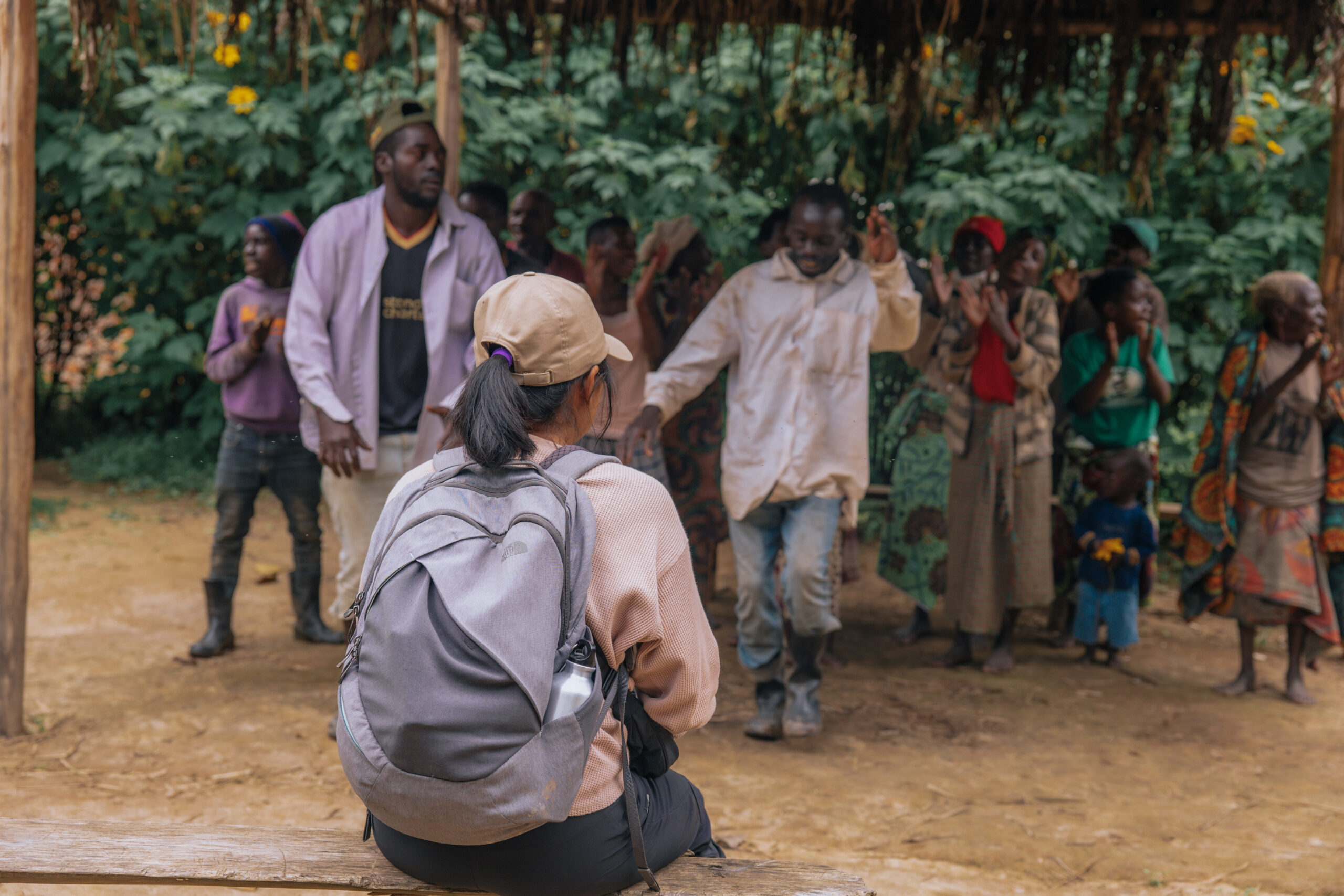
- Direct Economic Empowerment: Tour revenues fund community bank accounts managed by Batwa elders. This income pays for healthcare, builds clean water points, buys agricultural land, and covers school fees and uniforms for local children.
- Preserving Cultural Identity: Because young Batwa grew up outside the national park, they risk losing touch with their heritage. Tourism creates a vital space where elders teach youth traditional bushcraft, tracking, language, and songs, keeping their history alive for generations to come.
- Creating Sustainable Jobs: The trail employs Batwa community members directly as certified guides, trackers, storytellers, and musicians. Instead of relying on casual manual labor on neighboring farms, they earn dignified wages sharing their own culture.
- Funding Community Infrastructure: Revenue supports local community organizations, such as the United Organization for Batwa Development in Uganda (UOBDU), which advocates for land rights, education, and social justice across the region.
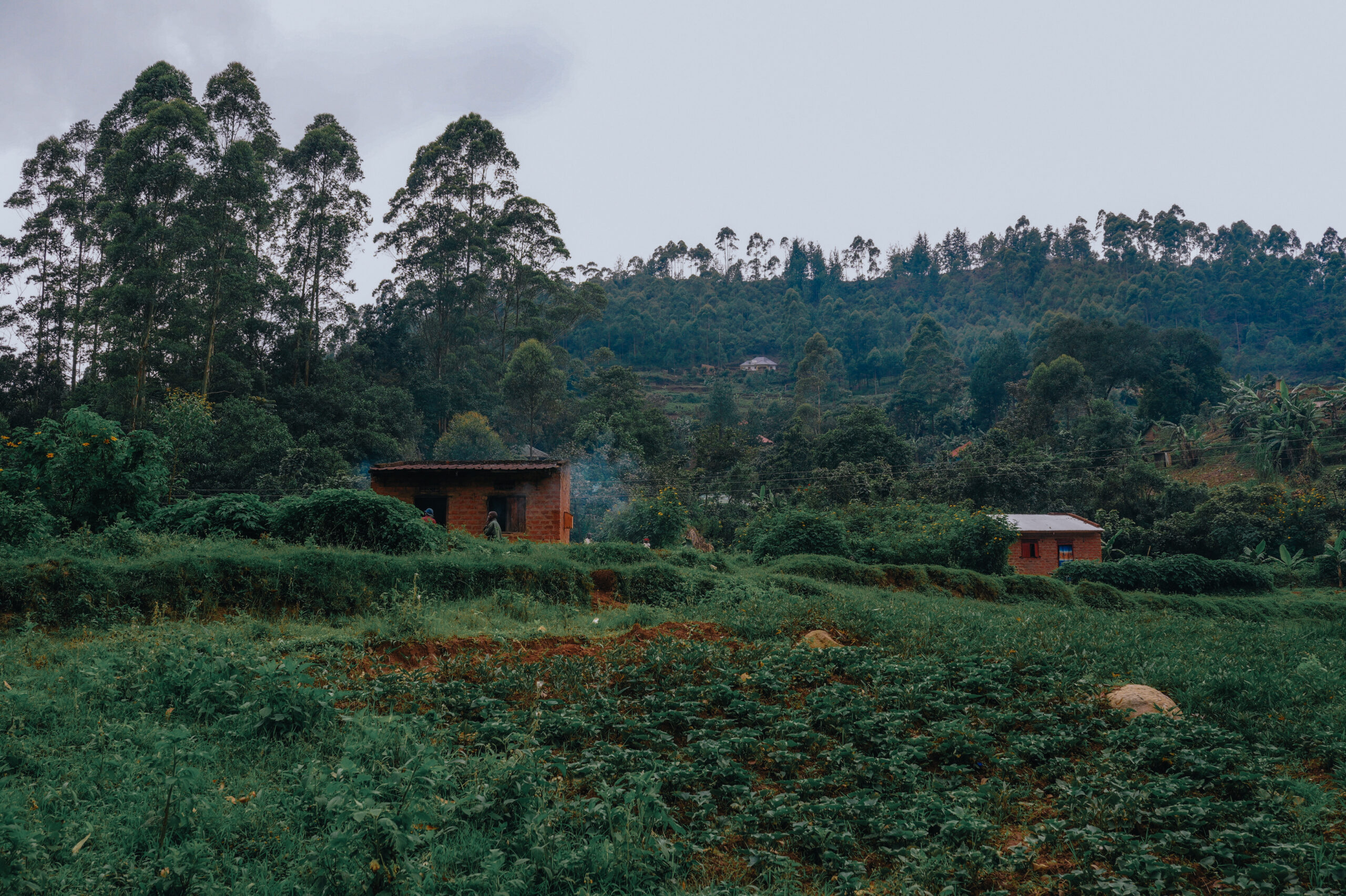
When you walk the trail with Batwa people, you aren’t an outsider observing displaced people—you become an active partner in helping an ancient culture thrive in the modern world.
Final Thoughts
A visit to the Batwa community is not merely an optional side trip after gorilla trekking; it is a historical grounding. It presents a rare opportunity to learn directly from one of East Africa’s oldest surviving forest societies, leaving travelers with a far deeper understanding of conservation, human resilience, and heritage.