What Should I Wear for Rwanda Gorilla Trekking?
January 31, 2025
Can I Combine a Tanzania Safari with Safaris in Kenya or Uganda?
February 6, 2025
Ask any travel guide when the best time for gorilla trekking in Rwanda is, and you’ll get the same answer everywhere: the long dry season from June to September, followed by the secondary dry window from December to February. But ask the park rangers and trackers who lead these treks year-round, rain or shine, and you’ll get a more practical take: it depends on what you want out of your day.
Dry season means firm paths, but gorillas often range higher up the mountains looking for food, leading to longer, sweatier climbs. The wet season brings slick, muddy tracks—yet gorillas frequently descend to lower bamboo zones to feed on fresh shoots, which makes the gorillas easy to find.
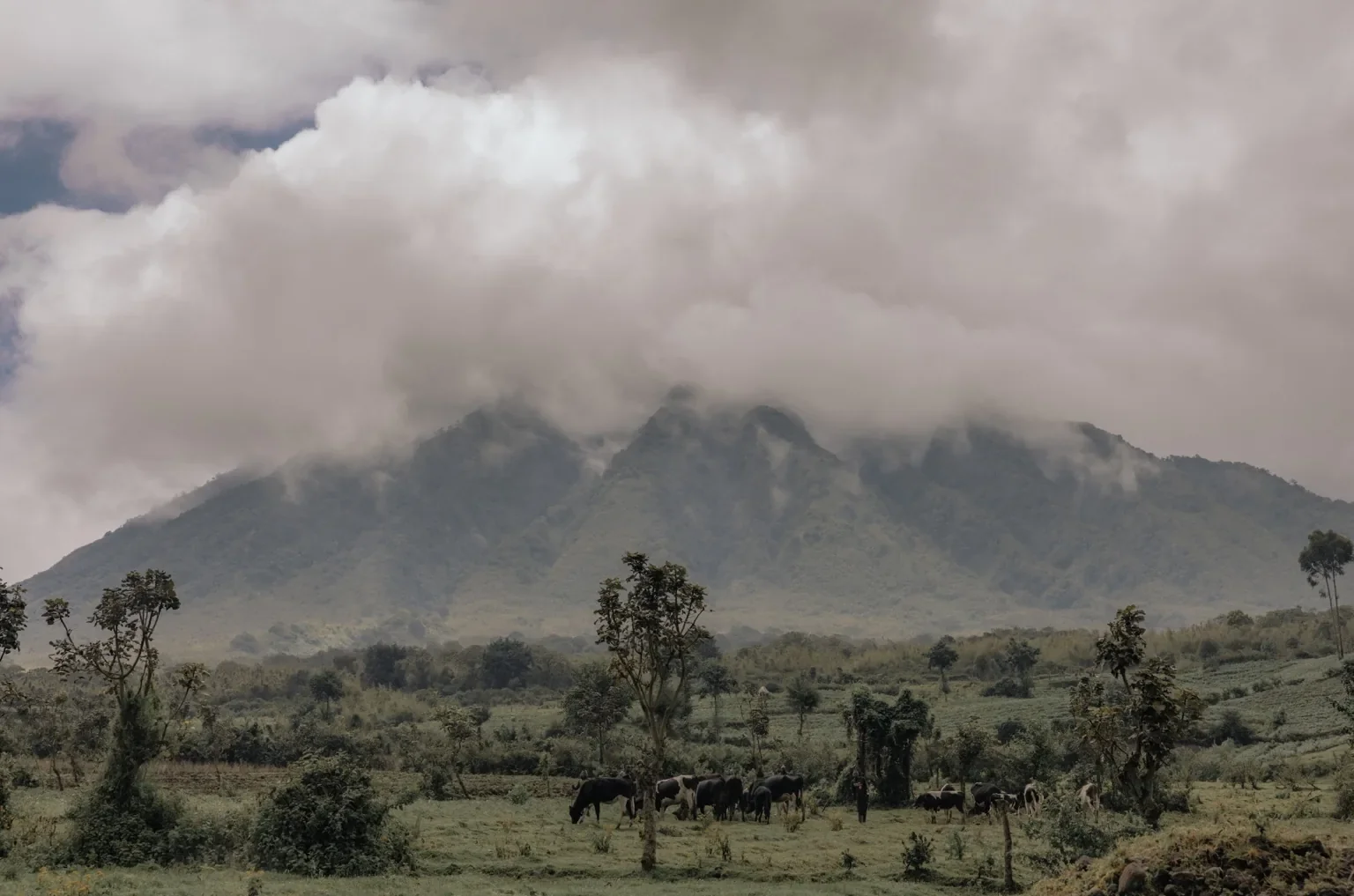
All gorilla trekking in Rwanda takes place in Volcanoes National Park (Parc National des Volcans), situated in northwestern Rwanda along the slopes of the Virunga Massif.
Key Facts About Gorilla Trekking in Rwanda
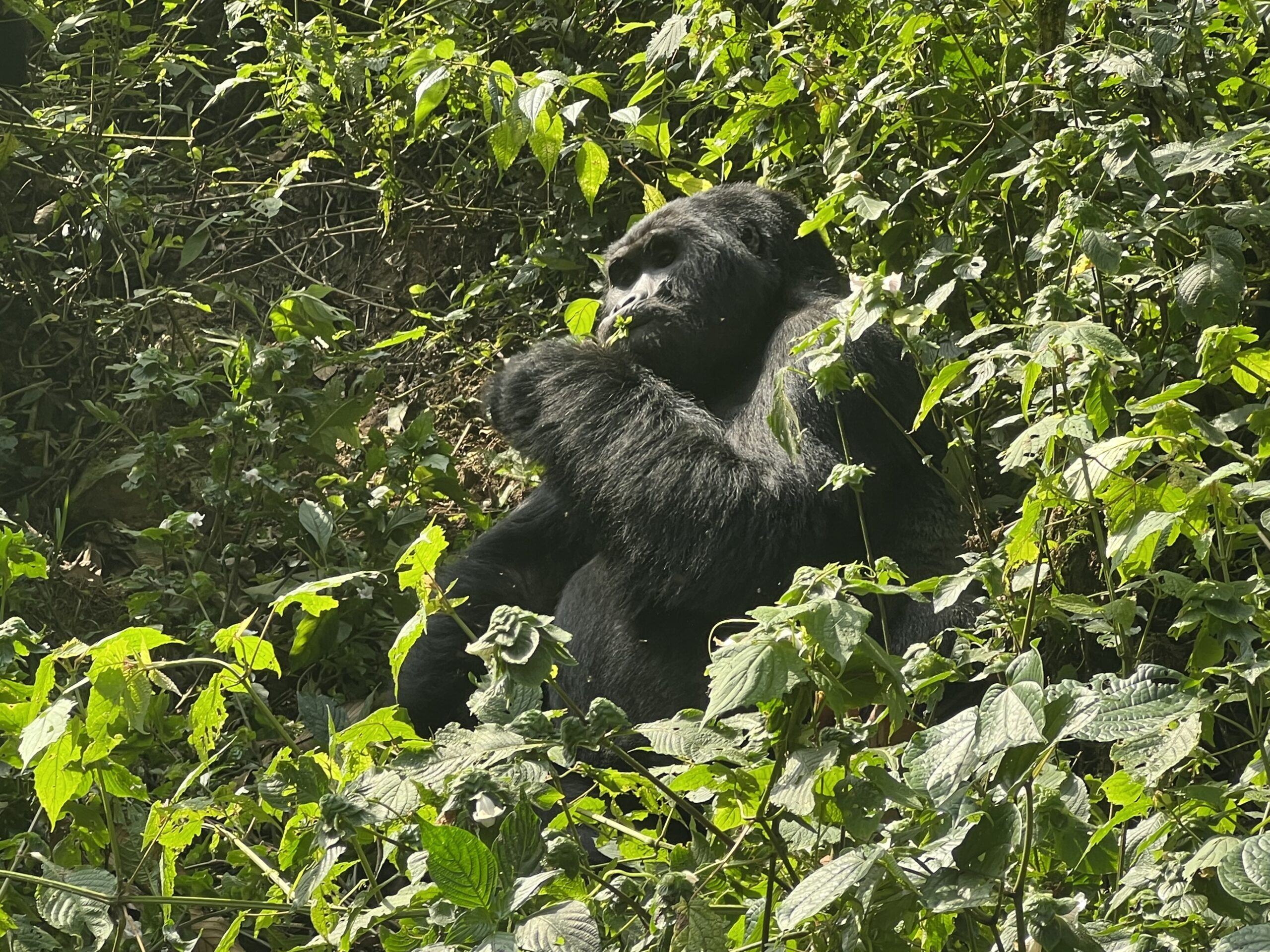
Gorilla Population: Rwanda protects a major portion of the world’s remaining mountain gorillas in Volcanoes National Park.
Permit Prices: Standard gorilla trekking permits cost $1,500 USD per person for foreign non-residents, managed directly by the Rwanda Development Board (RDB).
Low-Season Discount: RDB offers a 30% discount to $1,050 USD if you add two extra days to Akagera and Nyungwe National Parks during the low season.
Strict Visitor Limits: Standard trekking groups are capped at a maximum of 8 tourists per gorilla family per day for 1 hour of direct observation.
Exclusive Private Option: Rwanda offers an Exclusive Private Trekking Permit at $15,000 USD per person, which allows a private group to track a designated family with dedicated rangers.
Advance Booking window: Due to high demand and an upper limit of ~96 permits per day, book your slot at least 6 months or more ahead for peak dry seasons (June–September & December–February).
Minimum Age: All trekkers must be 15 years or older.
Quick Comparison: Peak vs. Off-Peak Seasons
Choosing between Rwanda’s peak and off-peak seasons really comes down to what matters most to you: easy trail conditions or lower costs and fewer crowds. Because Volcanoes National Park sits high up on the slopes of the Virunga volcanoes, the weather directly dictates how tough your hike will be, making each time of year feel totally different.
The Peak Dry Seasons (June to September and December to February) are the most popular times to go, and for good reason. With very little rain, the forest trails are firm and clear, making the steep climbs much easier on the legs. You’ll get crisp mountain views and great sunlight breaking through the canopy for photos. That said, because these months line up with peak international travel, Rwanda’s $1,500 gorilla permits sell out fast. Lodges around Musanze fill up months in advance, so if you’re targeting the dry months, booking early is non-negotiable.
The Off-Peak Seasons (November through May) bring regular rainfall and heavy mountain mist. The trails definitely turn into slick, sticky mud, which makes the trek sweatier and tougher—but there’s a real upside. The gorillas often come down to lower elevations to feast on fresh bamboo shoots, which makes it easy to locate them. Permits are much easier to grab, trails are quiet, and high-end lodges frequently drop their rates. On top of that, if you pair your gorilla trek with visits to Akagera or Nyungwe during the off-peak months, you can tap into RDB’s promotional permit discounts, which make it a perfect window for travelers who don’t mind a bit of mud if it means a quieter, more cost-effective trip.
Combining Your Trek with Other Rwanda Adventures
Gorilla trekking is often the highlight of a trip to Rwanda, but the short travel distances make it easy to add other experiences to your journey:
- Akagera National Park: Rwanda’s premier savannah destination. Best visited during the dry seasons, Akagera offers classic big game drives, boat trips to Lake Ihema, and great wildlife viewing.
- Nyungwe National Park: Home to ancient montane rainforests, chimpanzee tracking, and an iconic canopy walkway. It pairs wonderfully with Volcanoes National Park for a complete primate circuit.
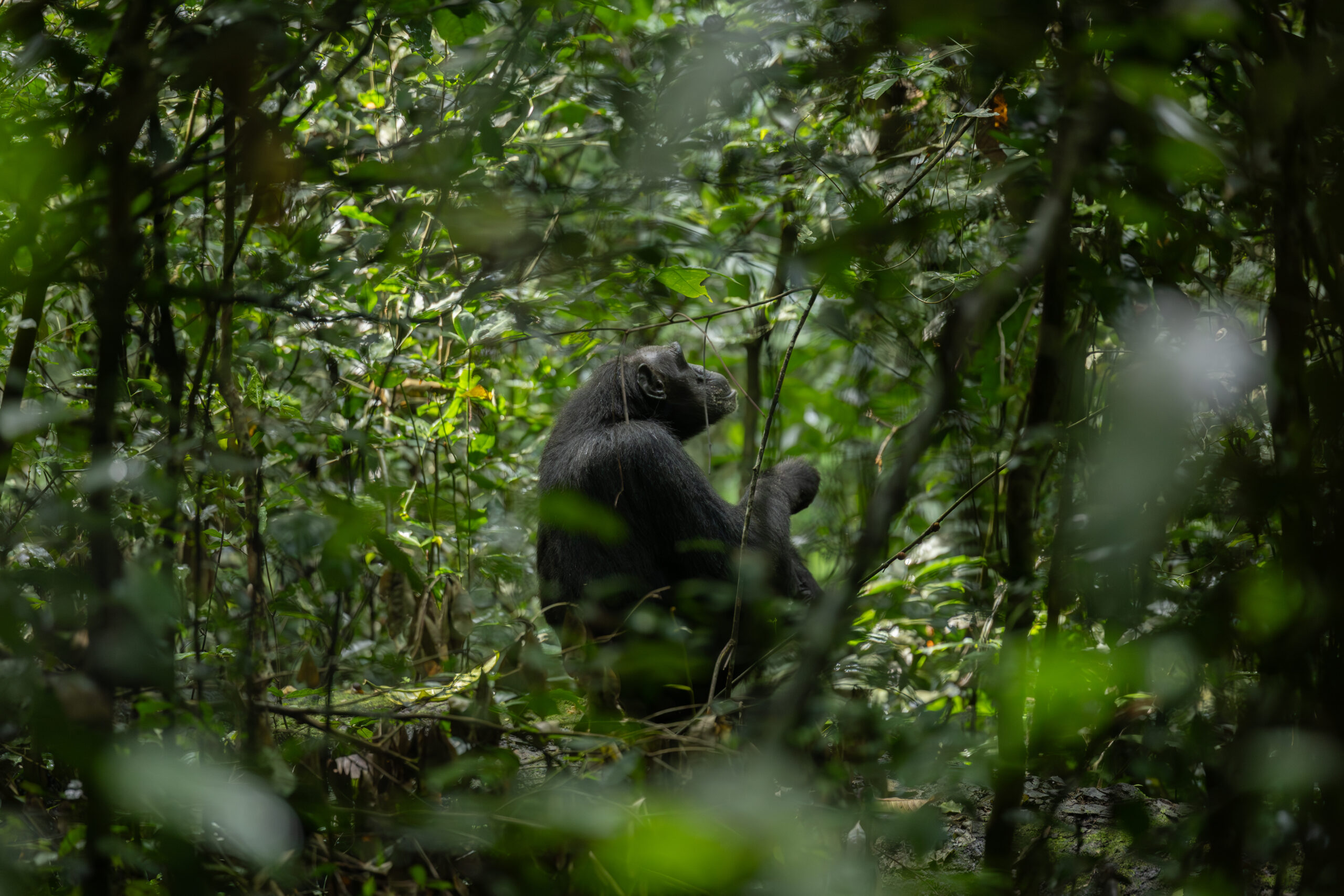
- Lake Kivu: Situated roughly halfway between Volcanoes and Nyungwe, Lake Kivu provides a peaceful lakeside retreat to rest your legs after days of hiking.
Month-by-Month Breakdown
January
Rain: Low (short dry season)
Trails: Firm and mostly dry
Overview: Warm and clear across the Virunga range, with open views. Good for most travelers.
Best for: Everyone. It is especially good for families with teens (15+), since the dry trails make the climb more manageable. It is also easy for solo travelers, because more trekkers are around, making it simple to meet people.
February
Rain: Low
Trails: Firm, with little mud
Overview: Dry and a little quieter than July and August, so it feels calmer without losing the good weather.
Best for: Travelers who want dry weather without peak-season crowds, and anyone who finds crowded months stressful. A good alternative to July and August.
March
Rain: Moderate to high (the long rains begin)
Trails: Slippery, with a green, lush forest
Overview: Gorillas often feed lower down, which can shorten the hike, though it isn’t guaranteed.
Best for: Travelers who don’t mind mud and want a quieter trek with lower lodge rates. Less ideal for families with teens, because slippery trails are harder going.
April
Rain: High ( long rains)
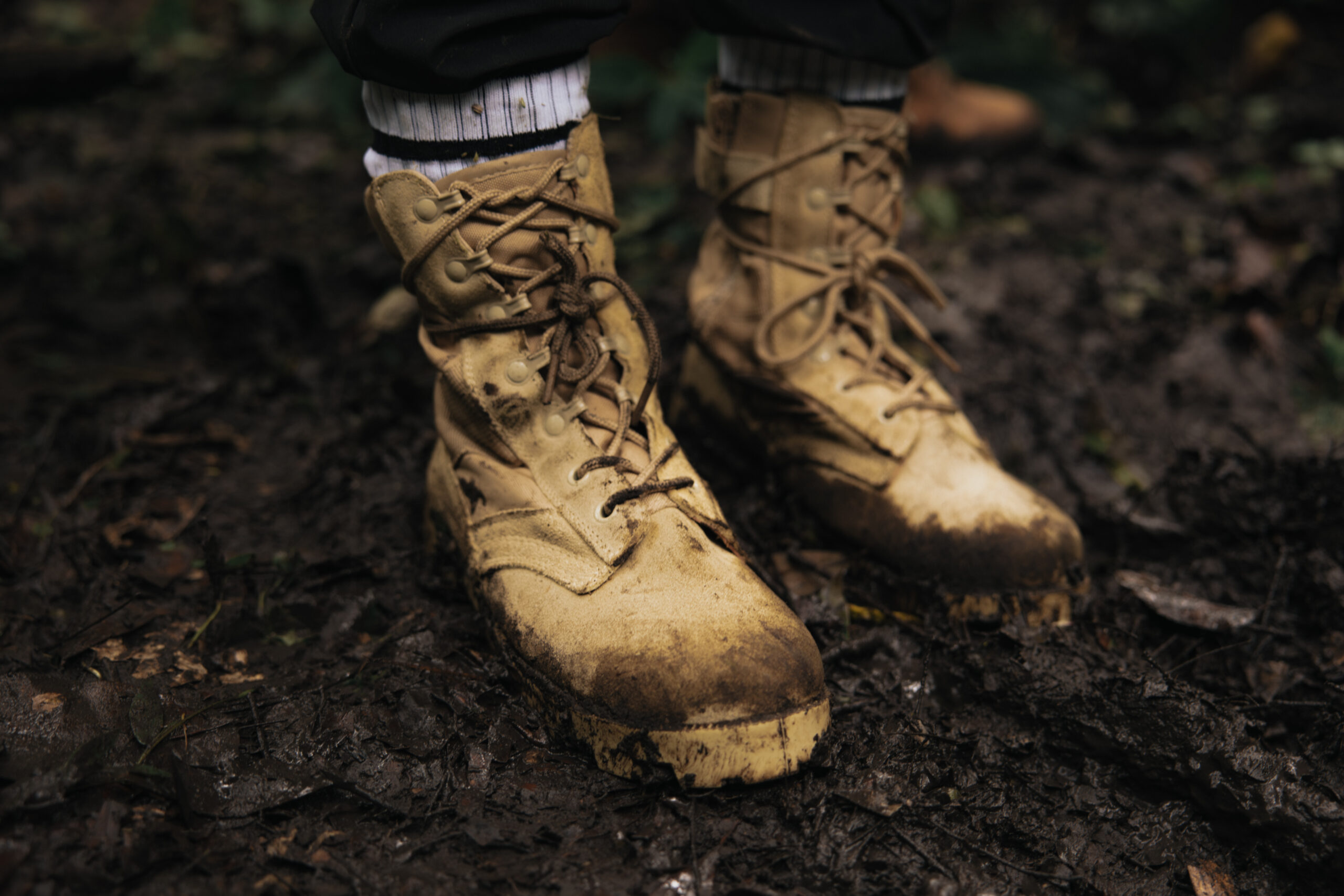
Trails: Thick mud and very slick paths
Overview: Heavy tropical downpours are common, but permits are much easier to secure, and lodges offer attractive green-season rates.
Best for: Budget-conscious travelers and photographers looking for misty, dramatic forest landscapes and empty trails.
May
Rain: Moderate to high (rain begins easing late in the month)
Trails: Damp and muddy, drying gradually toward June
Overview: The forest is bursting with lush green life, and sunny breaks reveal stunning backdrops once the clouds roll back.
Best for: Nature lovers who enjoy vibrant plant life and quiet trails before the mid-year dry season rush begins.
June
Rain: Low to moderate (transition into the long dry season)
Trails: Drying up quickly, though the lowest forest slopes stay slightly damp early on.
Overview: The heavy rains clear out, trails improve, and fresh bamboo shoots sprout near the park border.
Best for: Everyone. Especially travelers who want dry hiking conditions just before the peak July and August crowds arrive.
July
Rain: Low (peak dry season)
Trails: Firm and clear
Overview: Peak dry conditions offer the easiest footwork of the year, alongside soft sunlight breaking through the canopy.
Best for: First-time trekkers, families, and photographers who want reliable weather and the best trail conditions.
August
Rain: Low (driest month)
Trails: Firm and dry
Overview: Bright and sunny afternoons. It is also one of the busiest months for international travel.
Best for: Everyone, but keep in mind that permits and lodges must be booked months in advance.
September
Rain: Low to moderate (brief afternoon showers return late in the month)
Trails: Mostly dry with occasional damp patches
Overview: Excellent weather continues.
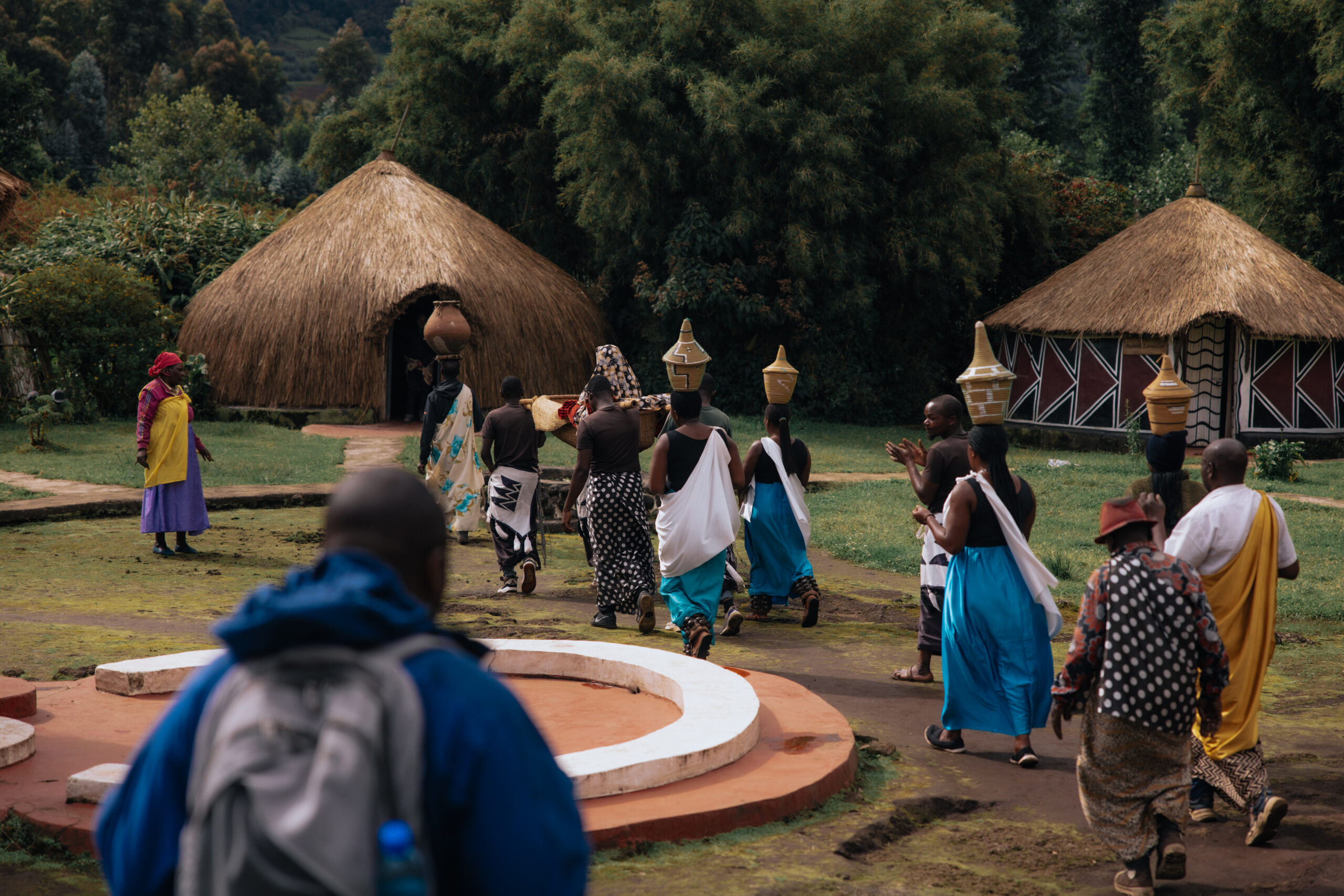
Best for: Travelers seeking dry-season weather while experiencing local Rwandan culture.
October
Rain: Moderate (transition into the short rains)
Trails: Transitioning from dry to slightly slick
Overview: Brief afternoon showers. Gorillas find plenty of food throughout the forest, which can shorten the hike, though it isn’t guaranteed.
Best for: Travelers who care about photography, nature, and quieter trails
November
Rain: Moderate (short rains)
Trails: Slick and muddy
Overview: Heavier downpours make forest paths challenging. This month also marks the start of low-season permit discounts when combined with Akagera or Nyungwe.
Best for: Travelers who don’t mind a bit of mud and want to experience a quiet forest. Less Ideal for families with teens, as the trails are slippery and harder going.
December
Rain: Low to moderate (transition into the short dry season)
Trails: Drying out by mid-month
Overview: Warm and cooler evenings, and occasional rain as the holiday season approaches.
Best for: Holiday travelers and families seeking dry weather, provided bookings are secured well in advance. It may also suit travelers combining Musanze with other destinations in Rwanda.
Quick-Reference Month-by-Month Summary
- January: Low rain. Best for everyone, especially families with teens.
- February: Low rain. Best for dry weather without the peak crowds.
- March: Moderate to high rain. Best for travelers who don’t mind mud and want a quieter trek.
- April: High rain. Best for budget travelers and flexible schedules.
- May: Moderate to high rain. Best for vibrant green scenery and fewer crowds.
- June: Low to moderate rain. Best for dry hiking just before peak season.
- July: Low rain. Best for optimal dry trails and clear photography.
- August: Low rain. Best for dry weather (book months in advance).
- September: Low to moderate rain. Best for combining dry trails with cultural events.
- October: Moderate rain. Best for travelers who love nature, photography, and quieter trails.
- November: High rain. Best for low-season permit discounts and quiet trails.
- December: Low to moderate rain. Best for everyone, especially families with teens.
Is Gorilla Trekking Possible Year-round
Yes, gorilla trekking in Rwanda’s Volcanoes National Park is an all-year-round activity.
Park rangers, trackers, and anti-poaching patrols monitor the gorilla families every single day of the year, regardless of the weather. Because mountain gorillas do not migrate, they remain within their established home ranges inside the park boundaries whether it is sunny or raining.
Ultimately, there is no “closed season” for gorilla trekking. Rain or shine, as long as you have a valid permit, the rangers will guide you into the forest to spend an unforgettable hour with these gentle giants.
Essential Practical Details
- Permit Booking: Secure your permits at least 6 months in advance through the official Irembo portal or via a licensed local tour operator.
- What to Pack: Sturdy waterproof hiking boots, long-sleeved shirts, trousers tucked into socks, garden gloves for gripping vines, a waterproof jacket, and at least 2 liters of water.
- Porters & Amenities: Local porters are optionally available at the trailhead for hire ($20 USD) if you would like assistance carrying your daypack and steadying your footing. (For full details on porters, tipping etiquette, and health guidelines, see our comprehensive guide: How Much Does Rwanda Gorilla Trekking Cost in 2026)
Frequently Asked Questions
Can I choose which gorilla family I trek?
You cannot pre-book specific gorilla families in advance, but rangers assign groups at park headquarters based on age, fitness levels, and visitor preference during morning briefings.
Are face masks still mandatory around the gorillas?
Yes. Masks are mandatory when approaching the gorillas to prevent human-to-wildlife disease transmission. Bring a few comfortable medical or N95 masks in your daypack.
Is it embarrassing to be carried in a sedan chair?
Absolutely not. The rangers and porters view the sedan chair as a tool of inclusivity. They take immense pride in ensuring that everyone, regardless of age or ability, can witness the mountain gorillas.
What should I do if a gorilla approaches me or charges?
Stay calm, remain still, slowly crouch down submissively without looking the gorilla directly in the eye, and follow your ranger’s vocal cues.
What happens if I need to use the bathroom during the hike?
There are no toilet facilities inside the national park once you step past the trailheads. If nature calls in the dense jungle, you must inform your ranger immediately. They will dig a hole off the trail (at least 30 cm deep) and instruct you to bury everything, including biodegradable toilet paper, to prevent contaminating the gorillas’ natural environment and to keep human waste out of the ecosystem.
If you’re planning a Rwanda gorilla trek and want help choosing your dates, send us an enquiry or WhatsApp us on +256 742 111 959.