
How Much Does Gorilla Trekking Cost in Uganda vs Rwanda?
July 3, 2025
How Fit Do You Need to Be for Uganda Gorilla Trekking?
July 11, 2025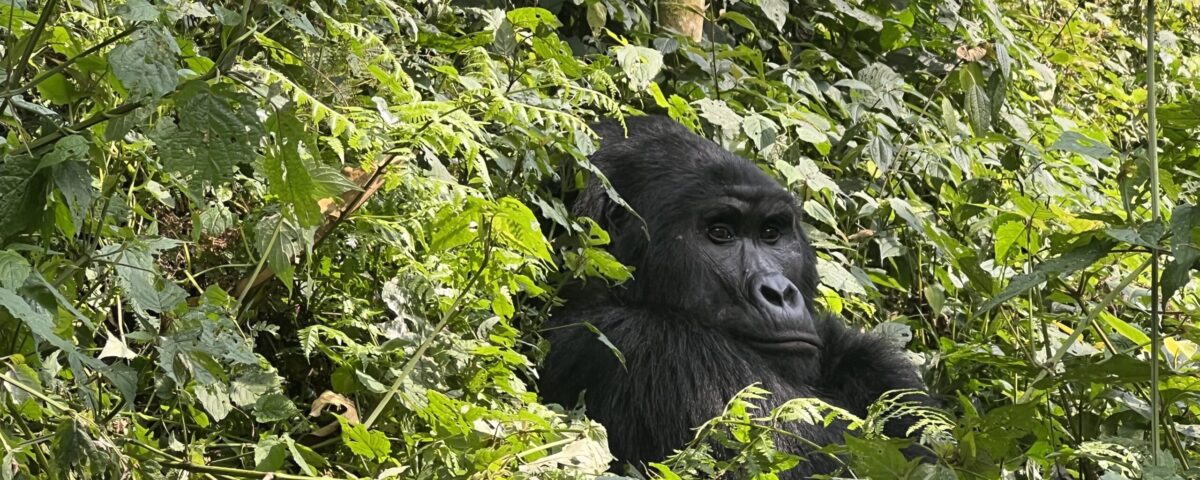
Why is gorilla trekking expensive? This is usually the very first question travelers ask us when planning a mountain gorilla trek. Permit fees are currently set at $800 in Uganda and $1,500 in Rwanda.
It naturally makes people wonder if the experience is simply overpriced. But the short answer is no. That single permit fee finances an entire conservation model—paying for daily tracker teams, armed anti-poaching security, and local community development. While mountain gorillas live across Uganda, Rwanda, and the DRC, most travelers choose Uganda or Rwanda for safe, well-regulated trekking.
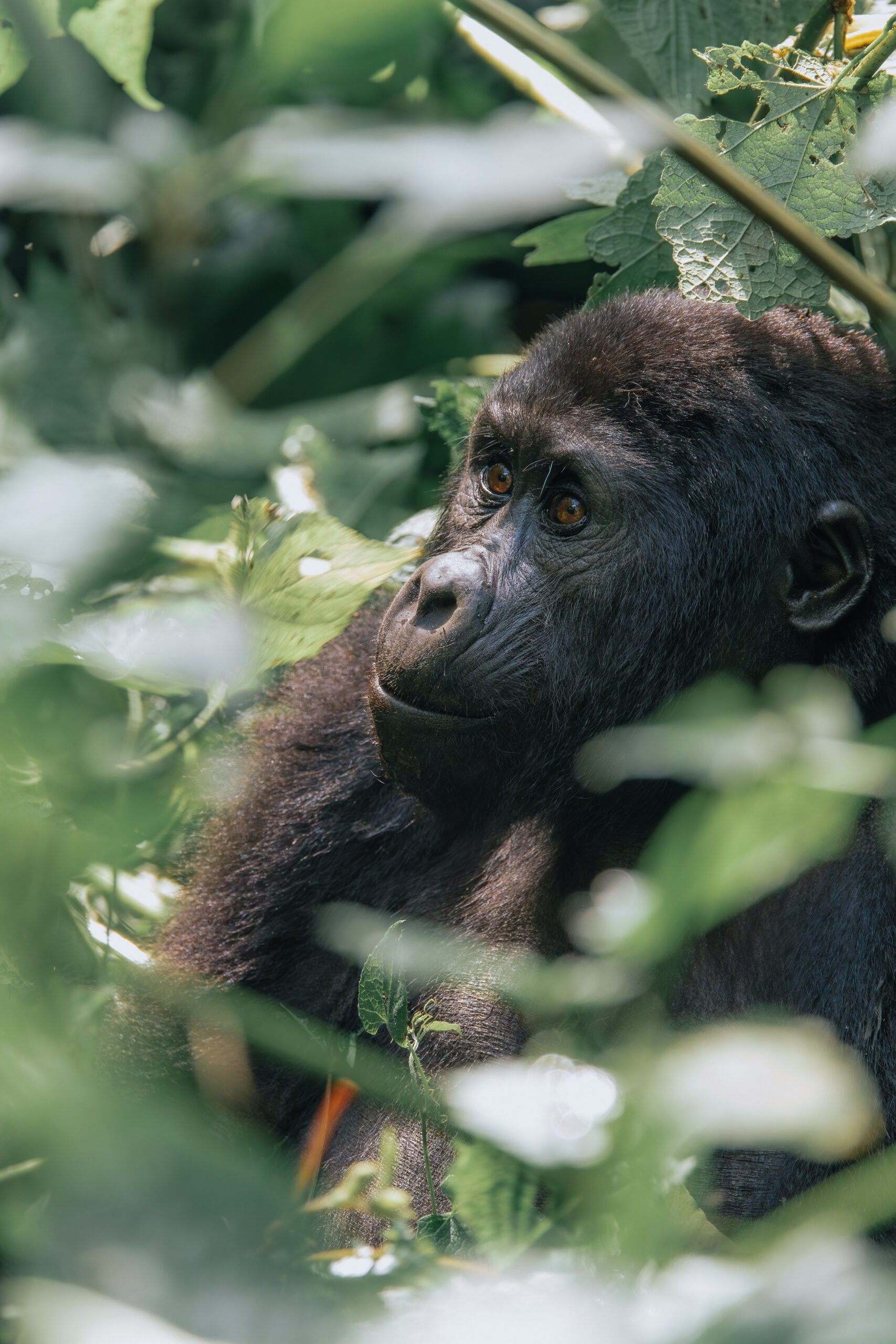
Here are the 9 main reasons why gorilla trekking costs what it does, where your money goes, and how to get the best value from your trip.
1. Your Permit Pays for Protecting the Gorillas Every Day
Unlike traditional wildlife viewing where animals roam freely in open savannahs, mountain gorillas require active and daily monitoring. Every morning, before trekking groups step onto the trail, expert tracker teams hike deep into the rainforest to locate gorilla families.
These field teams track where the gorillas nested the previous night and assess their feeding patterns. Ongoing veterinary research by groups like Gorilla Doctors helps experts spot subtle signs of illness early, preventing potentially devastating disease outbreaks across vulnerable wild families.
2. Armed Rangers and Anti-Poaching Patrols
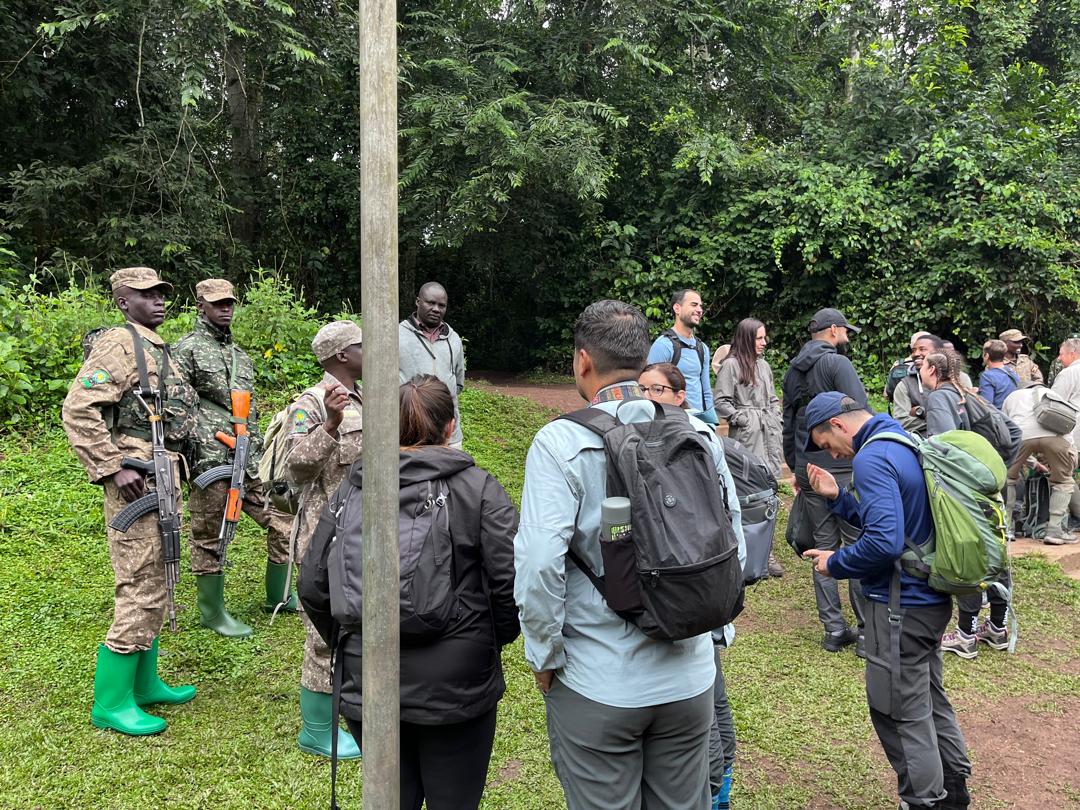
Keeping gorilla habitats safe requires constant security presence. Armed rangers from the Uganda Wildlife Authority (UWA) and Rwanda Development Board (RDB) accompany every single trekking group into the forest.
Beyond guiding guests through dense jungle terrain, ranger units conduct continuous anti-poaching sweeps to locate and destroy illegal wire snares.
3. Habituation Takes Years of Daily Fieldwork
Wild mountain gorillas are naturally fearful of humans. Before travelers can visit a wild family, they must undergo a delicate, carefully managed process called habituation.
Habituation involves a dedicated team of researchers, trackers, and rangers visiting a specific wild gorilla family every day for two to three years. Over time, the gorillas learn that human presence is peaceful and non-threatening. Funding this multi-year process requires thousands of hours of daily field salaries and logistical support before a family ever generates permit revenue.
Read our detailed guide on Gorilla Habituation to learn how you can join researchers for four hours in the forest.
4. Few permits are issued on purpose
Park authorities cap visits to just 8 tourists per gorilla family per day for a maximum of one hour. While this strict limit creates high demand, it is essential for protecting both the gorillas and the forest:
- Disease Risk: Mountain gorillas share nearly 98% of their DNA with humans, making them highly susceptible to human respiratory illnesses.
- Stress for the Gorillas: Limited daily visitor time prevents disruption to natural feeding, mating, and social behavior within the family.
- Forest Conservation: Restricting daily foot traffic protects these parks from soil erosion and vegetation damage.
5. The Communities Around the Parks Share the Income
When Bwindi and Mgahinga were established as national parks, local communities lost access to forest land they had relied on for generations. Today, long-term conservation only works when these neighboring communities see direct, tangible benefits from park revenue.
In Uganda, the Uganda Wildlife Authority (UWA) returns 20% of its annual park revenue to the people surrounding all national parks and wildlife reserves. In addition, at Bwindi Impenetrable National Park, UWA shares $10 USD from each gorilla trekking permit sold. This money directly funds:
- Building classrooms and health clinics
- Installing clean water points.
- Road improvements.
6. There are very few gorillas, and many people want to see them
Mountain gorillas remain listed as Endangered on the IUCN Red List, with a total global population of just over 1,000 individuals worldwide.
Back in the 1980s, mountain gorilla numbers dropped to around 250 due to severe poaching, habitat loss, and civil conflict. Tourism has been a major part of the reason for their gradual recovery. Because global demand to see these primates far exceeds the limited number of daily permits issued, permit pricing naturally reflects their scarcity.
7. The parks are remote, and getting to the gorillas takes work
Reaching mountain gorilla habitats requires logistical effort. Parks like Bwindi Impenetrable, Mgahinga, and Volcanoes are situated in remote, high-altitude regions with steep, winding mountain roads.
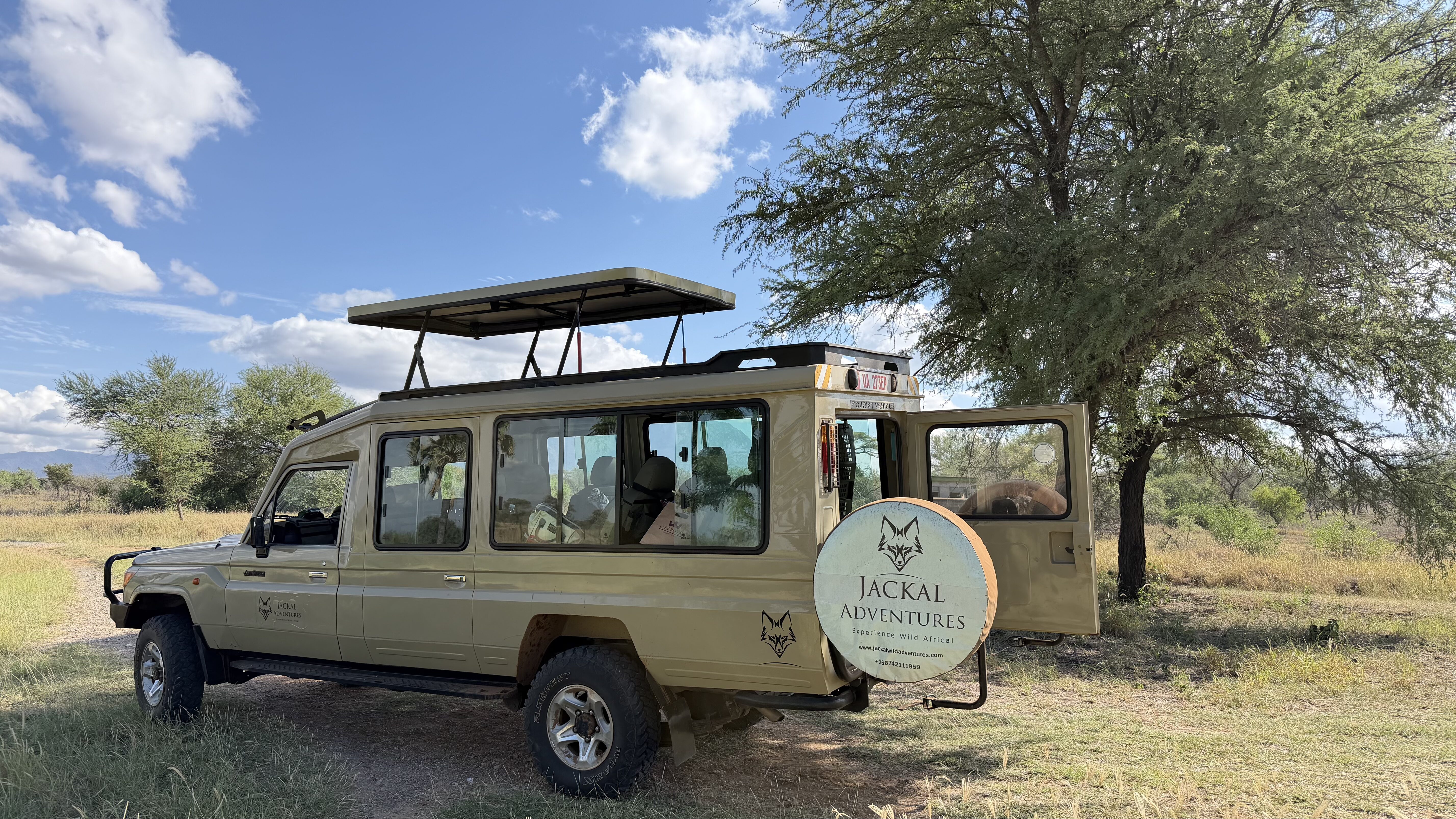
Maintaining 4×4 safari vehicles and fueling them for long journeys naturally adds to the overall cost. At the trailhead, travelers also have the option to hire a local porter for $20 USD.
8. Rwanda costs more than Uganda
Both Uganda and Rwanda maintain the same high safety standards and strict 8-person daily visitor limits, but their pricing models suit very different travel styles. Rwanda focuses on a high-end luxury model with $1,500 permits and quick access from Kigali, making it ideal for short trips, while Uganda offers a lower permit cost at $800. Beyond saving $700 per permit in Uganda, you can combine gorilla trekking with a savannah safari, mountain hiking, birding, Batwa visits, and game drives in Queen Elizabeth all within one country.
9. The permit is only part of the cost
When planning a gorilla trek, it is easy to focus entirely on the permit price, but that fee is really just your entry pass into the park. To get an accurate picture of what your overall safari will cost, you have to look at the whole package: permit, lodge, vehicle, flights, visa, porter fees, tips. Accounting for all these elements from the start gives you a clear idea of how your entire travel budget comes together.
Read our complete guide: Uganda Gorilla Trekking Cost 2026: Full Breakdown and How Much Does Rwands Gorilla Trekking Cost in 2026 for a detailed breakdown of accommodation tiers, transport options, and tipping guidelines.
Is Gorilla Trekking Worth the Money?
Yes. Mountain gorilla conservation is one of Africa’s greatest success stories. By purchasing a permit, you directly support the ongoing recovery of an Endangered species, fund veterinary care and daily ranger security, and invest in the livelihoods of local communities living alongside the forest.
To learn more about surrounding forest communities and cultural visits, check out our guide on Batwa Cultural Experiences in Uganda.
How to Save Money on Your Gorilla Trek
If you want to keep costs down, use these practical tips:
- Fly into Kigali, Trek in Uganda: Opting for Bwindi instead of Volcanoes National Park instantly saves you $700 per person on the permit alone.
- Low-Season Permits (Uganda): During discounted windows in April, May, and November, Uganda Wildlife Authority offers low-season gorilla permits at $600 USD per person.
Note: Discounted permits are strictly non-refundable and cannot be rescheduled, so travel dates must be fixed.
3. Book atleast 6 Months Ahead: Because permits are strictly capped, early planning ensures you secure your preferred trekking sector and lodge availability.
Frequently Asked Questions (FAQs)
What is included in the cost of a gorilla trekking permit?
Your permit covers park entry, expert guide and armed ranger services, and 1 hour with a habituated gorilla family.
Why is gorilla trekking cheaper in Uganda than in Rwanda?
Rwanda positions itself as a luxury destination with $1,500 permits and quick access from Kigali International Airport. Uganda offers $800 permits ($600 during low-season months) to appeal to budget-conscious and adventurous travelers willing to take a longer drive to the forest.
Are there additional costs beyond the gorilla permit fee?
Yes. You need to budget for accommodation, transport, international flights, visa fees, hiring a local porter ($20), and tips for your park team.
How far in advance should I book my permit?
Because park authorities limit visits to just 8 people per gorilla group per day, permits sell out quickly. It is best to book 3 to 6 months in advance, or up to a year early if traveling during the peak dry seasons.
What is the minimum age limit for gorilla trekking?
The official minimum age limit for gorilla trekking in both Uganda and Rwanda is 15 years old. Park authorities enforce this strictly for safety reasons and to reduce the risk of transmitting childhood illnesses to the gorillas.
If you would like help planning a gorilla trek, send us an enquiry or WhatsApp us on +256 742 111 959



1 Comment
[…] gorilla trekking permits in Rwanda cost around $1,500, Uganda offers the same life-changing experience for just $800, a […]