Golden Monkey Tracking in Rwanda & Uganda
November 25, 2026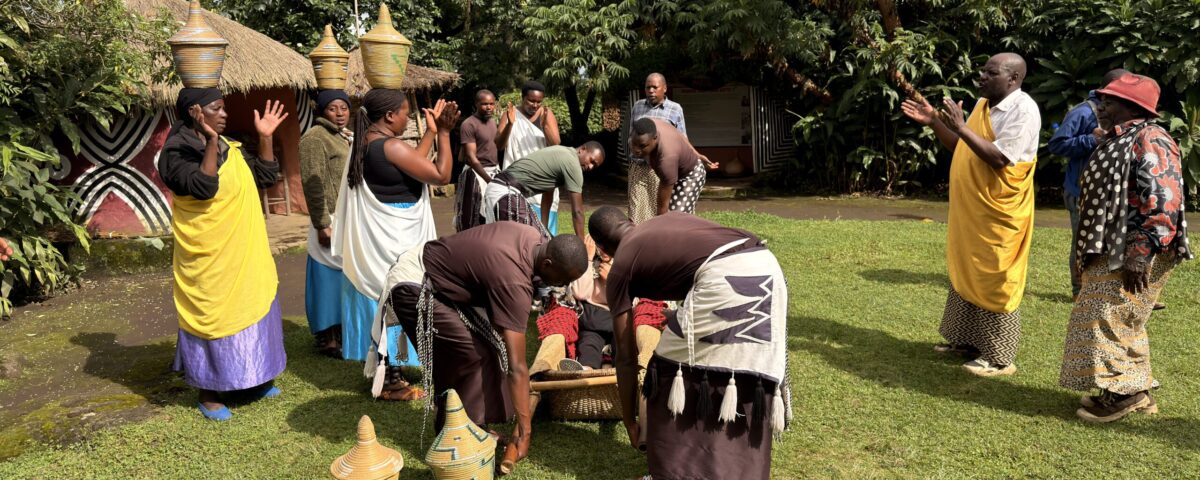

Everything You Need to Know
Rwanda is one of East Africa’s most rewarding destinations for first-time travelers. Known as the Land of a Thousand Hills, this small country combines beautiful mountain scenery, unforgettable wildlife encounters, rich cultural traditions, and welcoming communities.
For international visitors, Rwanda is particularly appealing because it is possible to experience wildlife, culture, adventure, and relaxation on a single trip without spending every day traveling between destinations.
This Rwanda travel guide covers everything you need to plan for your first visit, including the best places to visit, when to travel, what to eat, how to get around, and what to expect from the local people.
1. What makes Rwanda a unique travel destination?
Rwanda stands out because it offers a combination of wildlife, landscapes, culture, and modern city life that is difficult to experience in many other destinations in such a short time.
Unlike a traditional safari destination focused mainly on savannah wildlife, Rwanda allows visitors to move between tropical rainforests, volcanic mountains, lakeside towns, and open grasslands. The country’s compact size makes it possible to combine several of these experiences in a week or two.
Mountain gorillas and unforgettable wildlife encounters
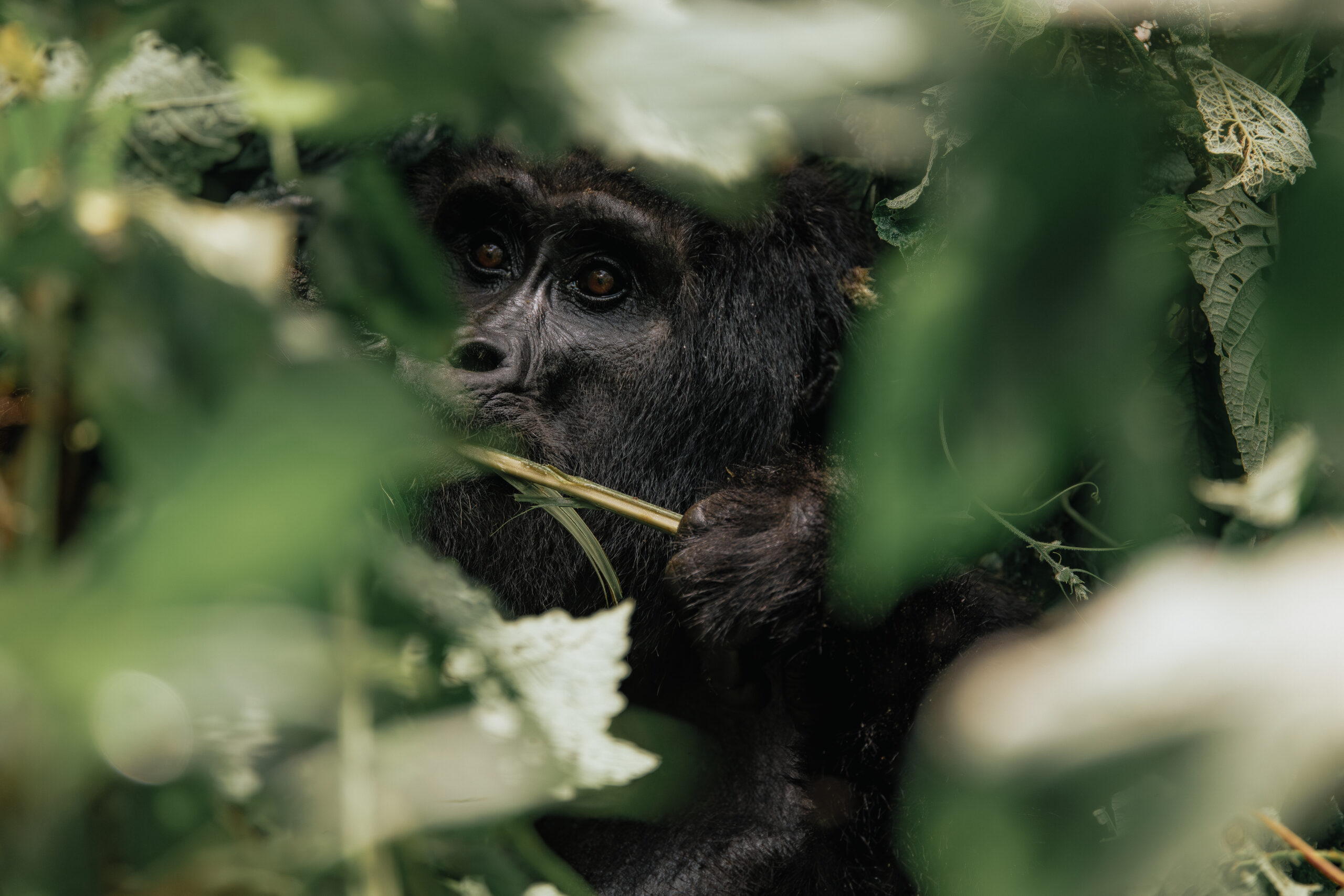
One of Rwanda’s greatest attractions is the opportunity to see mountain gorillas in their natural habitat. Volcanoes National Park, in the northwestern part of the country, protects part of the Virunga mountain range and is one of the world’s best-known destinations for gorilla tracking.
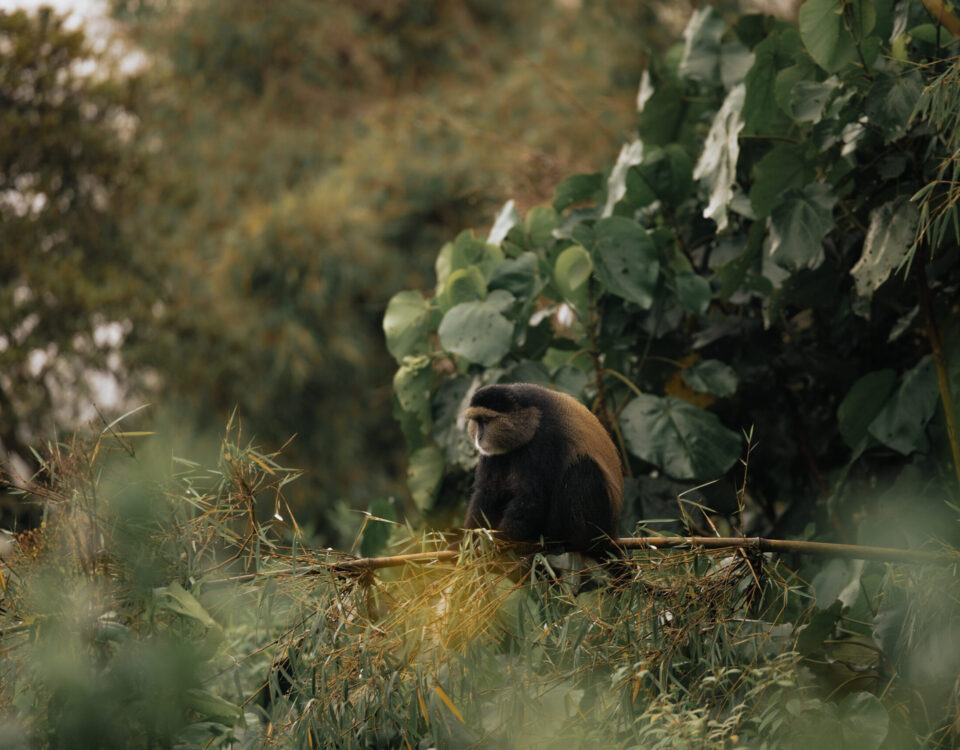
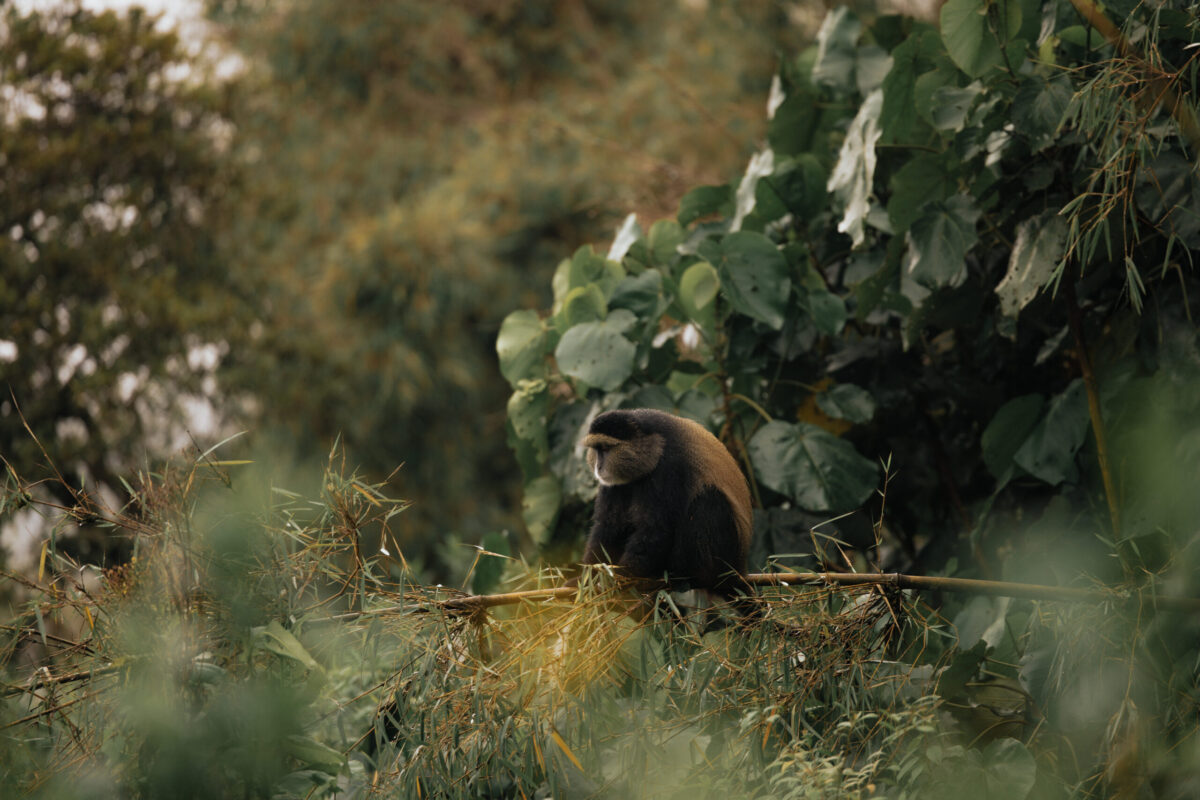
Visitors can also encounter golden monkeys in the bamboo forests of the Virungas, track chimpanzees in Nyungwe Forest, and enjoy wildlife safaris in Akagera National Park.
Rwanda is especially attractive to travelers who want a more varied wildlife experience than a conventional game-drive safari.
The Land of a Thousand Hills
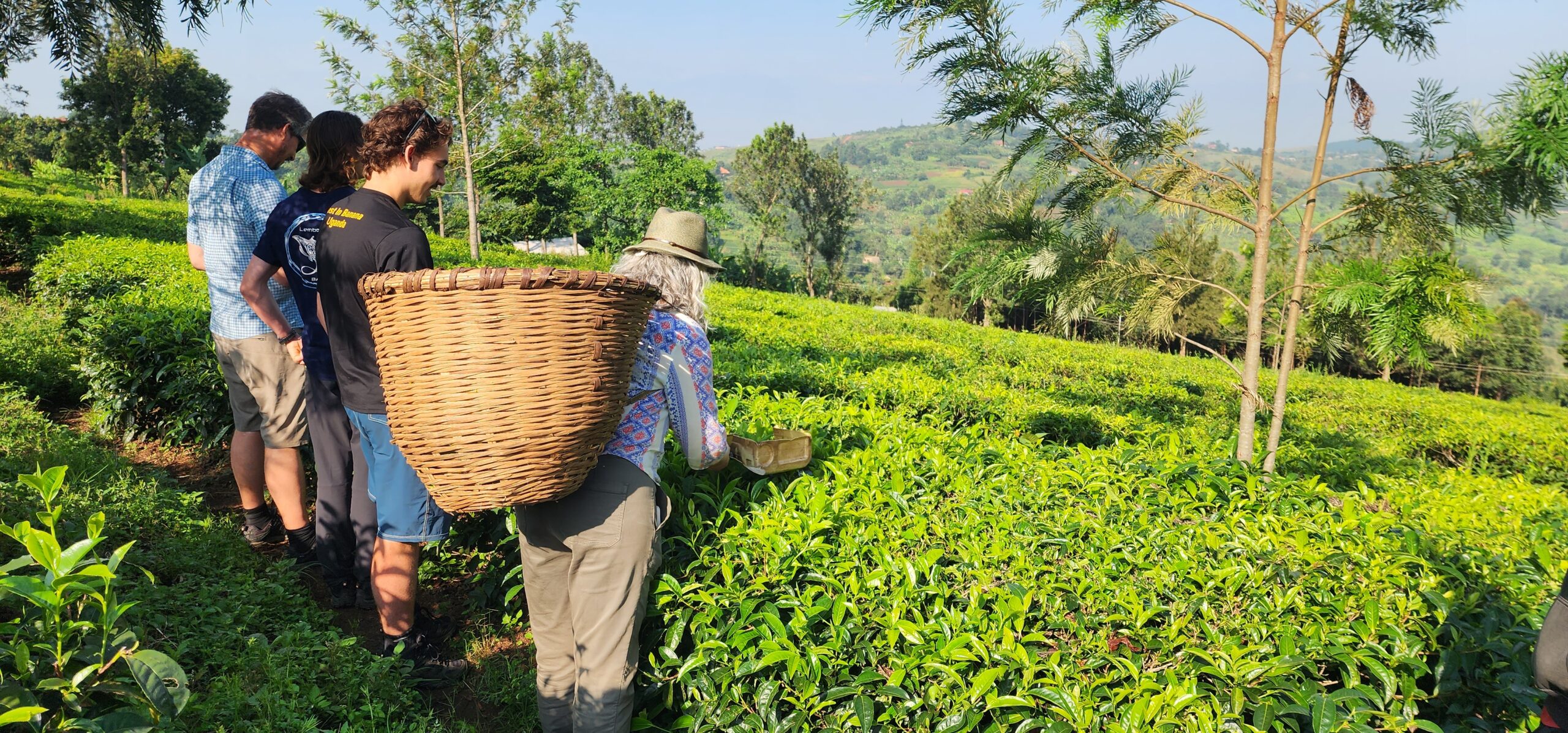
Rwanda’s nickname comes from its rolling hills, green valleys, and mountainous landscapes. Even ordinary journeys between towns can be scenic, with terraced hillsides, farms, and small villages providing a glimpse into everyday life.
The country’s scenery changes considerably as you travel. The north is dominated by volcanic mountains, the west by Lake Kivu and forested hills, the south by rainforest and tea-growing landscapes, and the east by savannah and wetlands.
A remarkable story of resilience and renewal
Rwanda is also a destination where history matters. The 1994 Genocide against the Tutsi remains an important part of the country’s modern identity.
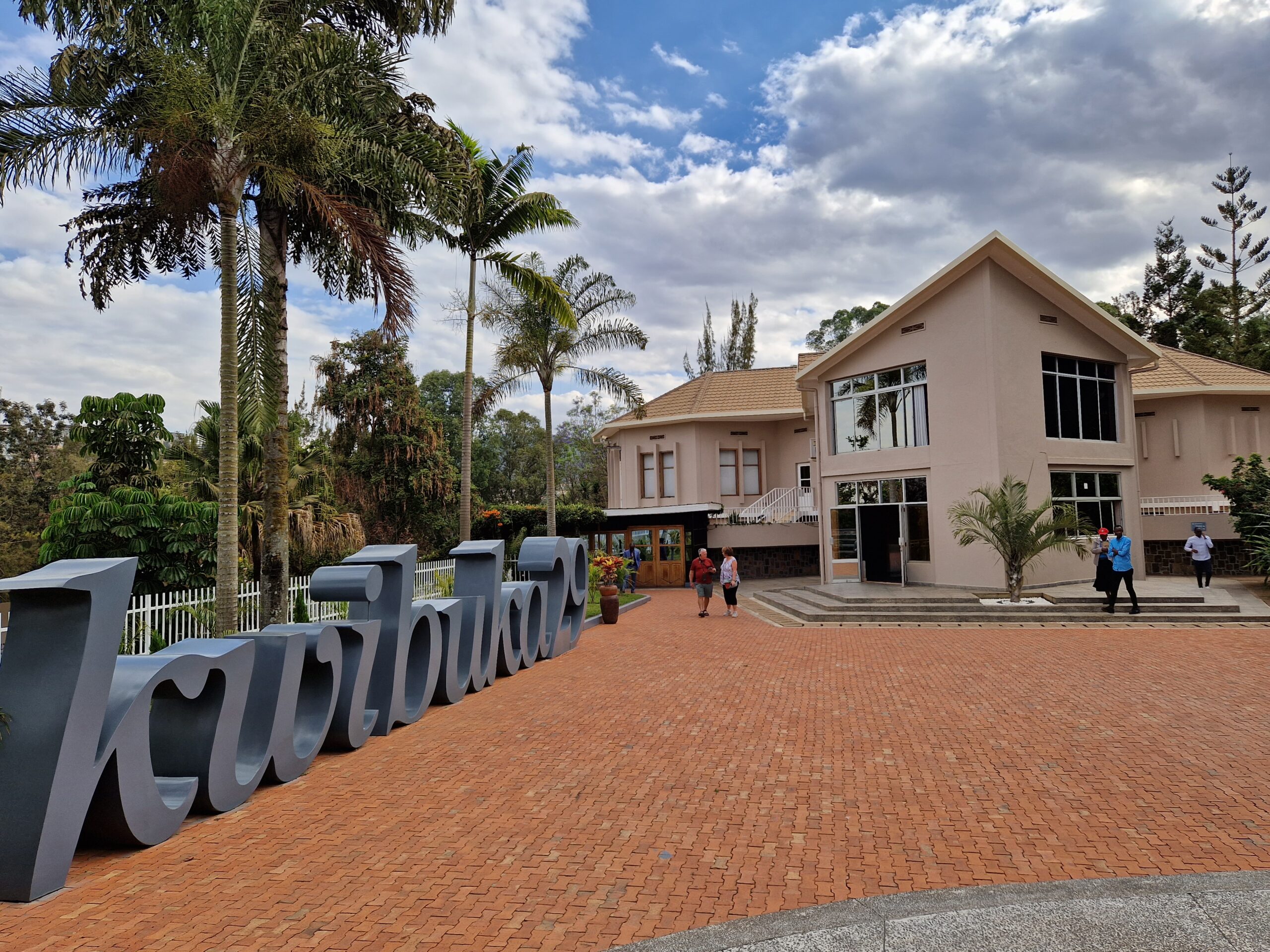
Visiting the Kigali Genocide Memorial and learning about Rwanda’s history can provide meaningful context for understanding the country today. Visitors should approach memorials respectfully and allow time for reflection.
At the same time, Rwanda is a contemporary country with a growing tourism industry, a lively capital, and communities whose lives extend far beyond the experiences offered to visitors.
A destination for different kinds of travelers
Rwanda can appeal to several travel styles:
-
Wildlife enthusiasts can focus on gorilla tracking, chimpanzees, and savannah safaris.
-
Adventure travelers can hike volcanoes, explore rainforest trails, and walk above the forest canopy.
-
Culture lovers can visit museums, markets, traditional villages, and historical sites.
-
Couples can enjoy scenic lakeside stays, nature experiences, and peaceful retreats.
-
First-time travelers can combine wildlife experiences with cultural experiences in a welcoming destination.
The country’s strongest appeal is this variety: a single trip can include a gorilla encounter, cultural tour, a rainforest walk, a lakeside sunset, and an evening in Kigali.
2. Top tourist attractions in Rwanda
Rwanda’s most famous attractions are its national parks, but there is much more to explore. The following destinations are among the best places to visit in Rwanda for first-time travelers.
Volcanoes National Park – Best for mountain gorilla tracking
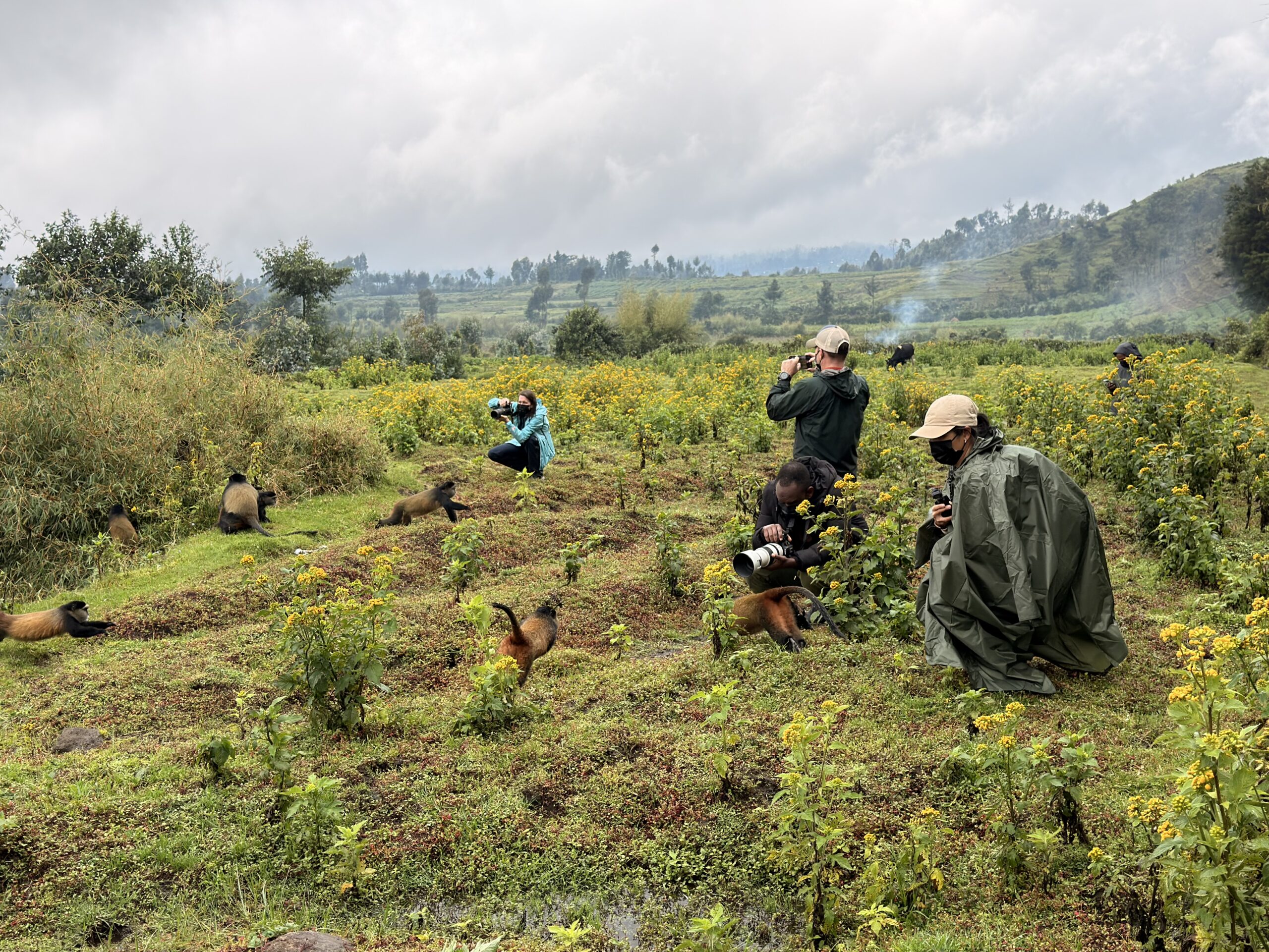
Volcanoes National Park is Rwanda’s most iconic wildlife destination. The park is home to endangered mountain gorillas, golden monkeys, and dramatic volcanic scenery.
The main attraction is gorilla tracking, which involves hiking through the forest with trained guides to find a habituated gorilla family. Once the group is located, visitors are generally allowed a one-hour observation period.
Other experiences include golden monkey tracking, hiking Mount Bisoke, and visiting the Dian Fossey research area.
Why visit: This is the destination to prioritize if seeing mountain gorillas is one of your travel dreams.
How long to stay: Two or three nights in the Musanze area is a comfortable starting point, allowing time for the trek and another activity.
Travel tip: Gorilla permits are limited and should be booked well in advance. The hike can be physically demanding, so prepare for uneven, muddy trails and changing weather.
Akagera National Park – Best for a classic African safari
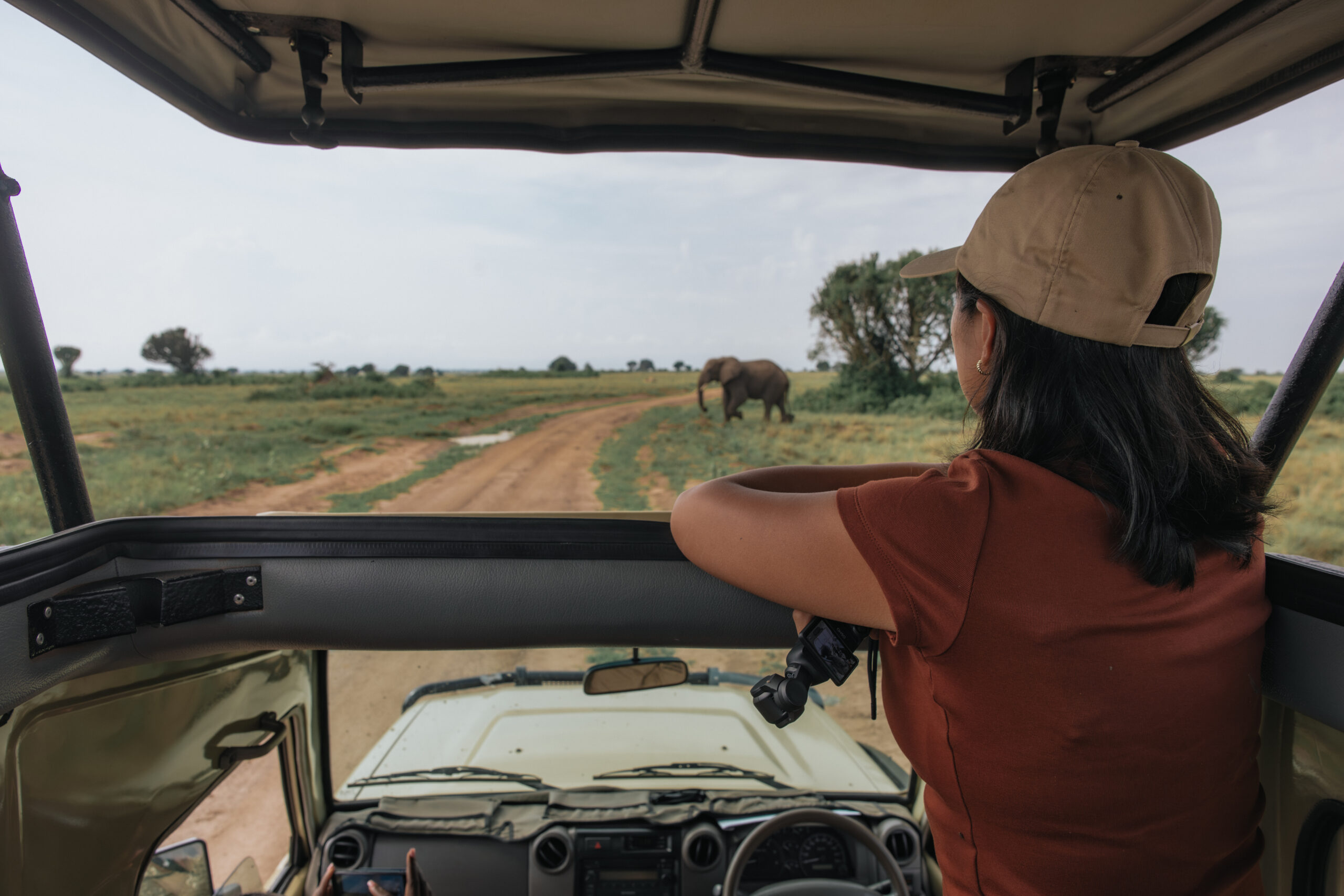
Akagera National Park offers a completely different landscape from the volcanic mountains. Its open plains, woodland, lakes, and wetlands provide the setting for traditional African safari experiences.
The park is home to the Big Five: lions, leopards, elephants, rhinos, and buffalo. It also offers opportunities to see giraffes, zebras, antelopes, hippos, crocodiles, and a wide variety of birds.
Popular activities include:
-
Guided game drives through the savannah.
-
Boat safaris on Lake Ihema.
-
Birdwatching and nature photography.
-
Overnight stays in or near the park.
Why visit: Akagera is ideal for travelers who want to experience a wildlife safari without focusing exclusively on primates.
How long to stay: Two nights is a good choice for a relaxed safari, while a day trip is possible for visitors with limited time.
Nyungwe Forest National Park – Best for rainforest adventures
Nyungwe Forest National Park protects one of Africa’s remaining montane rainforests. Its dense vegetation, misty hills, and rich biodiversity make it one of Rwanda’s most rewarding destinations for nature lovers.
The forest is known for chimpanzee tracking, colobus monkeys, birdwatching, and its canopy walkway. Other activities include guided forest walks and longer hiking trails.
Why visit: Nyungwe is a great choice for travelers interested in primates, rainforest scenery, photography, and outdoor adventures.
How long to stay: Two nights or more, particularly if you want to combine chimpanzee tracking with other forest activities.
Lake Kivu – Best for relaxation and lakeside scenery
Lake Kivu is one of Rwanda’s most beautiful natural attractions. Its deep blue waters, green hills, and peaceful shoreline provide a relaxing contrast to the country’s wildlife parks.
Popular lakeside destinations include Rubavu, Karongi, and the southern shoreline near Rusizi. The experience varies from town to town, with some areas offering lively waterfront activities and others providing quieter retreats.
Things to do include:
-
Kayaking and boat excursions.
-
Lakeside walks and relaxation.
-
Coffee tours and cultural experiences.
-
Enjoying the scenery from a lakeside lodge.
Why visit: Lake Kivu is perfect for couples, families, and travelers who want to slow down after a wildlife-focused itinerary.
How long to stay: One or two nights is a good starting point.
Travelers should check current regional security advice before choosing a lakeside town, particularly in the Rubavu and Rusizi areas near the Democratic Republic of Congo border.
Kigali – Best for culture, history, and urban experiences
Kigali is Rwanda’s capital and the starting point for most international visitors. It is known for its green hills, lively neighborhoods, restaurants, markets, and cultural attractions.
A visit to Kigali introduces the country before you head into the countryside.
Key attractions include:
-
Kigali Genocide Memorial – a place to learn about the 1994 Genocide.
-
Kimironko Market – a lively market where visitors can explore local produce, fabrics, and crafts.
-
Inema Arts Centre – a contemporary art space showcasing Rwandan creativity.
-
Kigali’s cafés, restaurants, and neighborhoods – ideal for experiencing modern city life.
Why visit: Kigali is a good destination for travelers interested in culture, history, food, and city experiences.
How long to stay: One or two nights suits most first-time visitors, though travelers with a strong interest in culture may want to stay longer.
Other destinations worth considering
Musanze – Best for Mountain Adventures
A lively town and convenient base for gorilla tracking, golden monkey tracking, and exploring Volcanoes National Park.
Huye – Best for Culture and Museums
A charming town known for its museums, cultural heritage, and relaxed atmosphere.
Nyanza – Best for Rwanda’s Royal History
Visit the King’s Palace Museum to learn about Rwanda’s traditional monarchy and explore its cultural history. Nyanza is also an ideal stopover when traveling to Nyungwe National Park.
Gishwati-Mukura National Park – Best for Rainforest and Conservation
A quieter destination offering forest walks, wildlife encounters, birdwatching, and conservation experiences.
Lake Muhazi – Best for a Peaceful Lakeside Escape
A scenic lake near Kigali, ideal for relaxing, enjoying beautiful views, and spending time in nature.
For a first visit, it is usually better to explore a few destinations in depth than to rush through every attraction in the country.
3. Best time to visit Rwanda
Rwanda is a year-round destination, but the best time to visit depends on the activities you want to experience.
Rwanda’s seasons at a glance
| Season | Approximate months | What to expect |
|---|---|---|
| Long dry season | June to September | Generally easier conditions for tracking, hiking, and safari activities |
| Short rainy season | October to December | Greener scenery, with more frequent rain |
| Short dry season | January to February | Perfect for wildlife trips and outdoor activities |
| Long rainy season | March to May | More rain, lush landscapes, and potentially muddy trails |
These are general seasonal patterns rather than guarantees. Rainfall varies across the country, and conditions can change from year to year.
When should first-time visitors travel?
June to September is often the most convenient period for a first visit, especially if gorilla tracking, hiking, and safari activities are priorities. Trails may be easier to navigate during the drier months.
December to February are also good months to consider, particularly for travelers who want to avoid the busiest parts of the main dry season.
The rainy months can still be rewarding. They often offer lush scenery and can suit visitors who enjoy photography, birdwatching, and quieter travel experiences. However, allow extra time for road journeys and outdoor activities.
If your main goal is gorilla tracking, choose dates that work with your permit availability rather than relying on weather alone.
4. People, language, and culture in Rwanda
Understanding a little about Rwanda’s people and culture can make your trip more meaningful. The country has a strong national identity, and Kinyarwanda is widely spoken throughout the country.
What are Rwandan people like?
Rwandans are often described by visitors as welcoming, respectful, and considerate. As with any country, individual personalities vary, but travelers will generally find that polite greetings and respectful behavior are appreciated.
Family, community, and social responsibility are important parts of Rwandan life. One example is Umuganda, a community service tradition in which people participate in activities that benefit their neighborhoods.
Visitors may notice that people are generally more reserved in public than in some other destinations. Taking time to greet someone before asking a question is a useful way to show respect.
Rwanda is also a country with a complex history. Visitors should approach discussions of the 1994 Genocide with sensitivity and avoid making assumptions about individuals or communities.
Languages spoken in Rwanda
Rwanda has four official languages:
-
Kinyarwanda – the national language and the most widely spoken language.
-
English – widely used in education, business, and tourism.
-
French – also an official language, with historical and cultural significance.
-
Kiswahili – important in regional trade and communication.
English is commonly used in hotels, tourism services, and many urban settings. However, visitors traveling to rural communities may find that English is less widely spoken, so learning a few Kinyarwanda phrases can be helpful.
Simple phrases to learn,
Muraho= Hello
Murakoze= Thank you
Amafaranga angahe?= How much does it cost?
Pronunciation may take practice, but even a simple greeting can make interactions more enjoyable.
Cultural etiquette for first-time visitors
-
Greet people politely before beginning a conversation.
-
Ask permission before taking photographs of people.
-
Dress respectfully when visiting religious or memorial sites.
-
Follow local instructions when visiting national parks and conservation areas.
-
Avoid discussing sensitive historical subjects casually or making assumptions about people’s backgrounds.
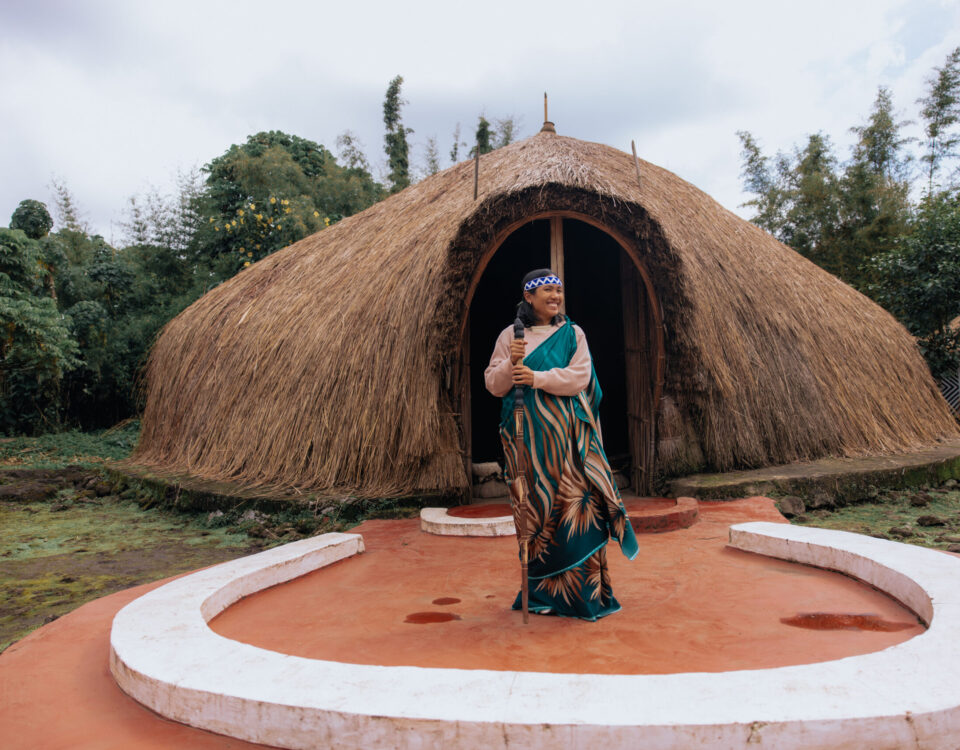
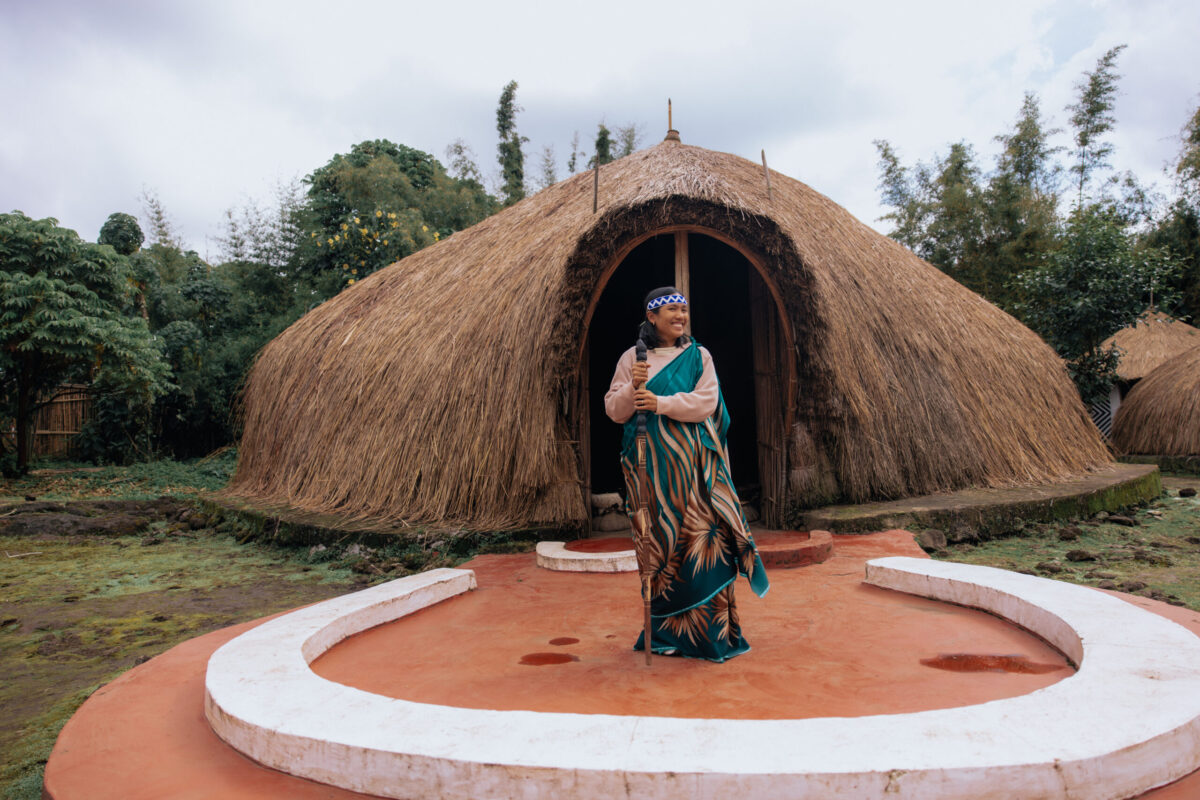
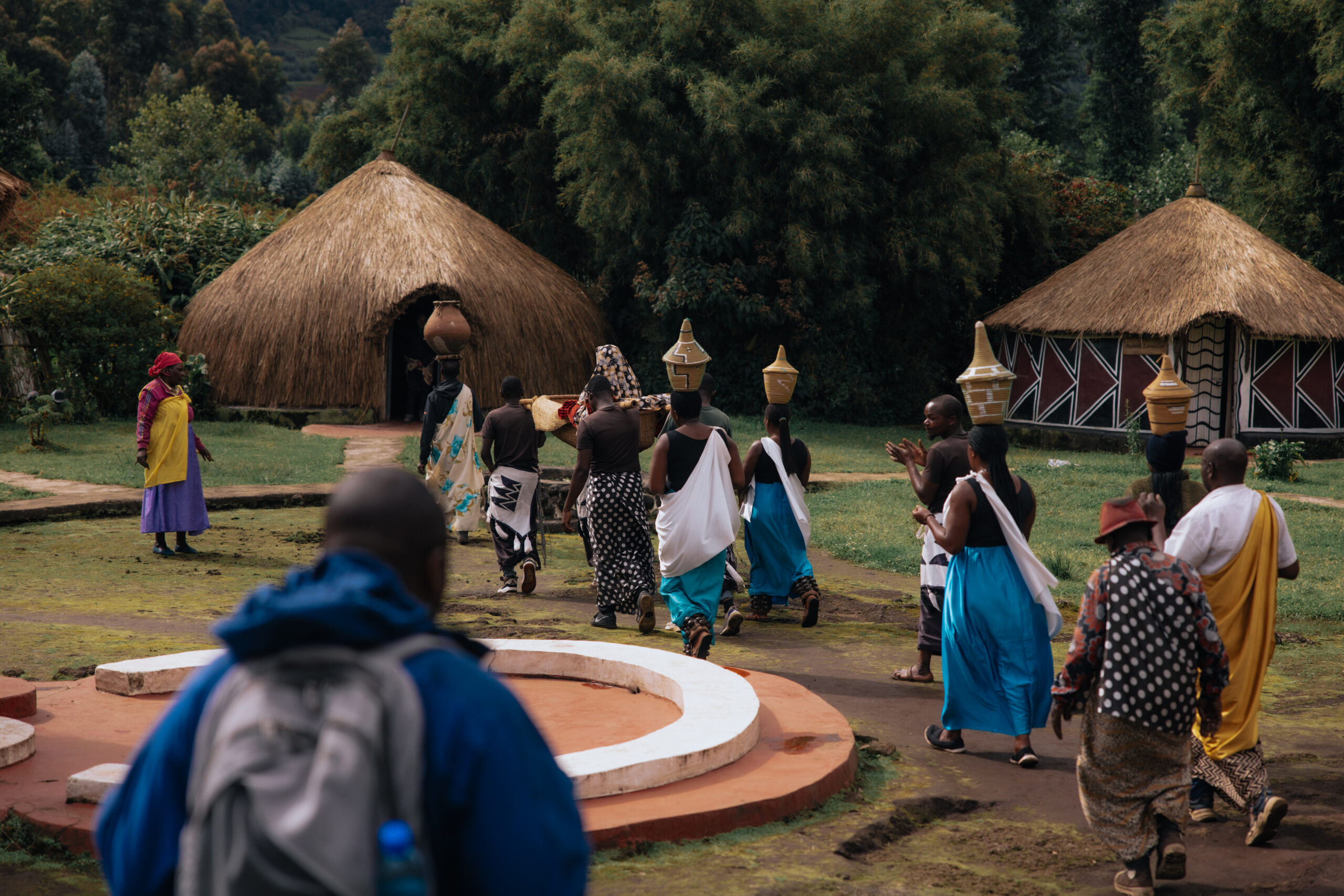
Rwanda’s culture is also expressed through music, dance, crafts, and traditional storytelling. Cultural performances and community visits can provide an opportunity to learn about these traditions in a respectful and engaging way.
5. Local food and drinks to try in Rwanda
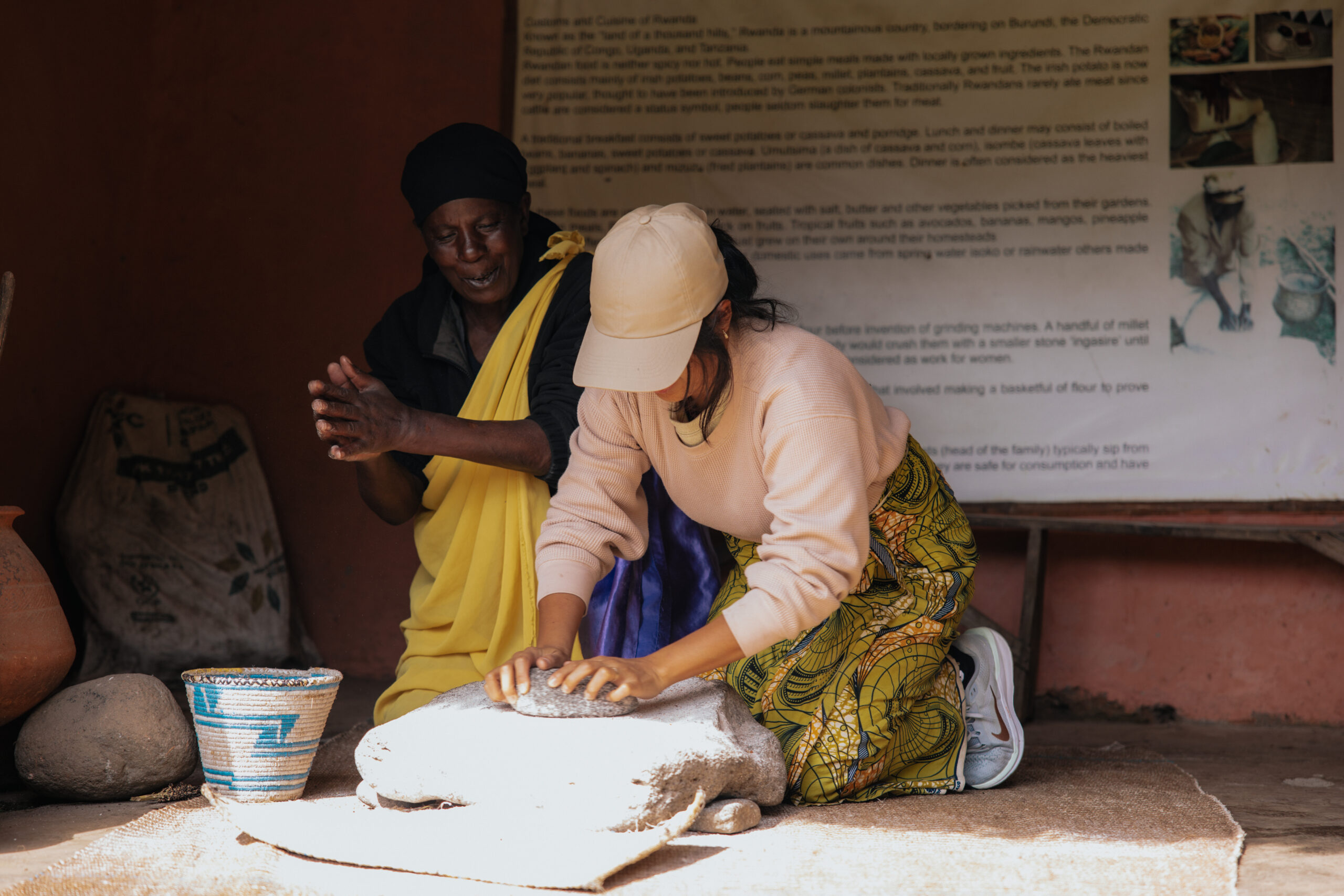
Rwandan cuisine features locally grown ingredients such as beans, cassava, plantains, sweet potatoes, and maize. Popular dishes include isombe, made from cassava leaves; ugali, a maize-based staple; brochettes, grilled meat skewers; and matoke, cooked plantains. To experience Rwanda’s local flavors, try its freshly brewed coffee, locally produced tea, fresh fruit juices, and ikivuguto, a traditional fermented milk drink. Sampling these foods and drinks is a wonderful way to discover Rwanda’s culinary culture.
When trying unfamiliar foods, ask about ingredients and preparation methods if you have allergies or dietary restrictions. Restaurants in Kigali and major tourism areas generally offer a wider range of international dishes as well.
6. Where to go in Rwanda and how to choose your destinations
The best Rwanda itinerary depends on your interests, travel dates, and the amount of time you have available.
For first-time visitors, the following combinations work particularly well:
-
Wildlife and adventure: Kigali, Volcanoes National Park, and Nyungwe Forest.
-
Classic safari: Kigali and Akagera National Park.
-
Nature and relaxation: Volcanoes National Park, Lake Kivu, and Kigali.
-
Culture and history: Kigali, Huye, Nyanza, and selected countryside stops.
-
A comprehensive first visit: Kigali, Akagera, Volcanoes National Park, and either Nyungwe Forest or Lake Kivu.
How much time should you spend in Rwanda?
The ideal length of your Rwanda trip depends on the experiences you want to include.
-
3–4 days: Explore Kigali and visit one main destination, such as Volcanoes National Park.
-
5–7 days: Discover Kigali, enjoy gorilla tracking in Volcanoes National Park, and visit another destination.
-
8–10 days: Combine gorilla tracking, a wildlife safari in Akagera National Park, and either Nyungwe Forest or Lake Kivu.
-
11–14 days: Enjoy a more comprehensive Rwanda adventure, exploring several national parks, cultural attractions, and scenic destinations at a relaxed pace.
These are planning suggestions rather than fixed rules. Longer trips are useful if you want to include both gorilla tracking and chimpanzee tracking, which take place in different parts of the country.
7. How safe and Accessible is Rwanda for international tourists?
Rwanda is a well-established tourism destination, and many visitors travel around the country without serious problems. However, no destination is completely risk-free, and first-time travelers should prepare for both everyday travel concerns and regional security conditions.
Is Rwanda safe for tourists?
Many travelers find Rwanda comfortable to explore, particularly when using established accommodation, reliable transport, and reputable tour operators.
Precautions are still important:
-
Keep valuables secure and avoid displaying large amounts of cash.
-
Use trusted transport, especially at night.
-
Keep your hotel or accommodation informed of your plans when traveling to remote areas.
-
Follow park guides’ instructions during wildlife activities.
-
Check local travel advice before visiting border regions.
Petty crime can occur, including theft and bag-snatching. Travelers should also be aware that security conditions can change near Rwanda’s borders with neighboring countries.
Is Rwanda safe for solo travelers?
Rwanda can be a suitable destination for solo travelers, including those who prefer organized tours.
For a first visit, solo travelers may find it convenient to arrange airport transfers, book accommodation in advance, and use guided activities for national parks.
If traveling independently, share your itinerary with someone you trust and make sure you understand how to contact your accommodation and transport providers.
Is Rwanda accessible for travelers with disabilities?
Accessibility varies significantly between Kigali, major hotels, national parks, and rural destinations.
Some newer buildings and tourism facilities offer improved accessibility, but public transport, sidewalks, and general infrastructure may not consistently meet the needs of travelers with mobility or sensory disabilities.
If you have specific accessibility requirements, contact hotels, tour operators, and park authorities before booking. Ask about:
-
Step-free access and accessible bathrooms.
-
Vehicle access and space for mobility equipment.
-
Walking distances and trail conditions.
-
Assistance available during transfers and activities.
-
Whether the activity can be adapted to your needs.
For gorilla tracking and other remote activities, discuss your requirements in advance rather than assuming that every route or facility will be suitable.
Practical Travel Information for First-Time Visitors
Before traveling to Rwanda, here are some essential details to help you prepare:
-
Capital: Kigali
-
Currency: Rwandan franc (RWF)
-
Time zone: Central Africa Time (UTC+2)
-
Official languages: Kinyarwanda, English, French, and Kiswahili
-
International airport: Kigali International Airport
-
Telephone country code: +250
-
Climate: Tropical highland climate, with generally mild temperatures and cooler conditions in higher-altitude areas.
These basic details will help you plan your trip and feel more prepared when you arrive in Rwanda.
Important regional travel advice
Rwanda’s main tourism destinations are not all located in the same security environment.
Travelers should check current official travel advisories before visiting areas near the Democratic Republic of Congo or Burundi borders. Conditions can change, and some advisories may identify specific districts or border areas where travel is discouraged or requires additional caution.
For example, recent Australian and Canadian travel advice has highlighted security concerns in parts of Rubavu and Rusizi districts, as well as areas near the DRC border.
This is particularly relevant when planning a trip around Lake Kivu, as some lakeside towns are close to the border.
Practical recommendation: Check your government’s latest Rwanda travel advice before departure, and again during your trip if you are traveling near border regions. Follow local instructions and use established tourism operators for national park visits.
Frequently asked questions about visiting Rwanda
Is Rwanda worth visiting for the first time?
Yes. Rwanda offers an excellent introduction to East Africa for travelers interested in wildlife, culture, history, and nature. Its national parks, scenic landscapes, and compact size make it possible to experience several different destinations in one trip.
How many days are enough for Rwanda?
Seven to ten days is a useful starting point for a first visit. It allows time for Kigali, gorilla tracking, and another destination such as Akagera National Park, Nyungwe Forest, or Lake Kivu.
Travelers with only three or four days should focus on Kigali and one main attraction.
What is Rwanda most famous for?
Rwanda is best known internationally for mountain gorilla tracking in Volcanoes National Park. It is also known for its rolling hills, Akagera National Park, Nyungwe Forest, Lake Kivu, and Kigali’s historical and cultural attractions.
What is the best month to visit Rwanda?
June to September is often a convenient period for wildlife viewing, hiking, and gorilla tracking because it is generally drier.
December to February can also be good months for outdoor activities. Rwanda can be visited throughout the year, but travelers should plan around seasonal rainfall and their preferred activities.
Is Rwanda expensive for tourists?
Rwanda offers a range of travel budgets. City hotels, local restaurants, and public transport can help keep costs manageable, while luxury lodges, private tours, and gorilla tracking can significantly increase the overall budget.
The best approach is to decide which experiences matter most and plan your accommodation and transport around them.
Can you visit Rwanda without a tour guide?
Yes, independent travel is possible. However, guided activities are required or strongly recommended for many national park experiences, and first-time visitors may find organized transport more convenient for longer journeys.
What should first-time visitors not miss?
If you have enough time, prioritize Kigali, Volcanoes National Park, and either Akagera National Park or Nyungwe Forest. Add Lake Kivu if you want a relaxing lakeside experience.
Read further
- How Much Does Rwanda Gorilla Tracking Cost in 2026
- 10 Common Mistakes First-Time Travelers Make in Rwanda
-
Is Rwanda Safe For Solo Female Travelers? Honest Tips & Advice