Chimpanzee Tracking in Nyungwe vs Kibale: Which is Better?
November 20, 2026
AFCON 2027 Multi-Country Safari: Uganda, Kenya & Tanzania
November 24, 2026

Planning a first trip to Rwanda should feel exciting, never rushed or uncertain. Even though the country is compact and well-organized, small blind spots around terrain, permit booking times, and local etiquette shape the day-to-day flow. This guide highlights the common mistakes first-timers run into—and simple habits that keep your trip on track.
1. Trying to Do Too Much in One Trip
One of the easiest traps to fall into is trying to pack gorilla tracking, chimpanzee tracking, a game drive, a Lake Kivu retreat, and Kigali sightseeing into a single short stay. Even when distances on the map look short, every region brings its own pace and terrain—and packing too much in quickly turns long transfers into pure fatigue.
How to avoid it: Be realistic with your itinerary. Anchor it around top experiences rather than trying to fit every highlight in at once, giving you time to rest, settle into each stop, and enjoy the scenery along the way—and if you are sorting out the flow, we can help put together an itinerary that fits your pace.
2. Booking Flights Before Securing Gorilla Permits and Lodges
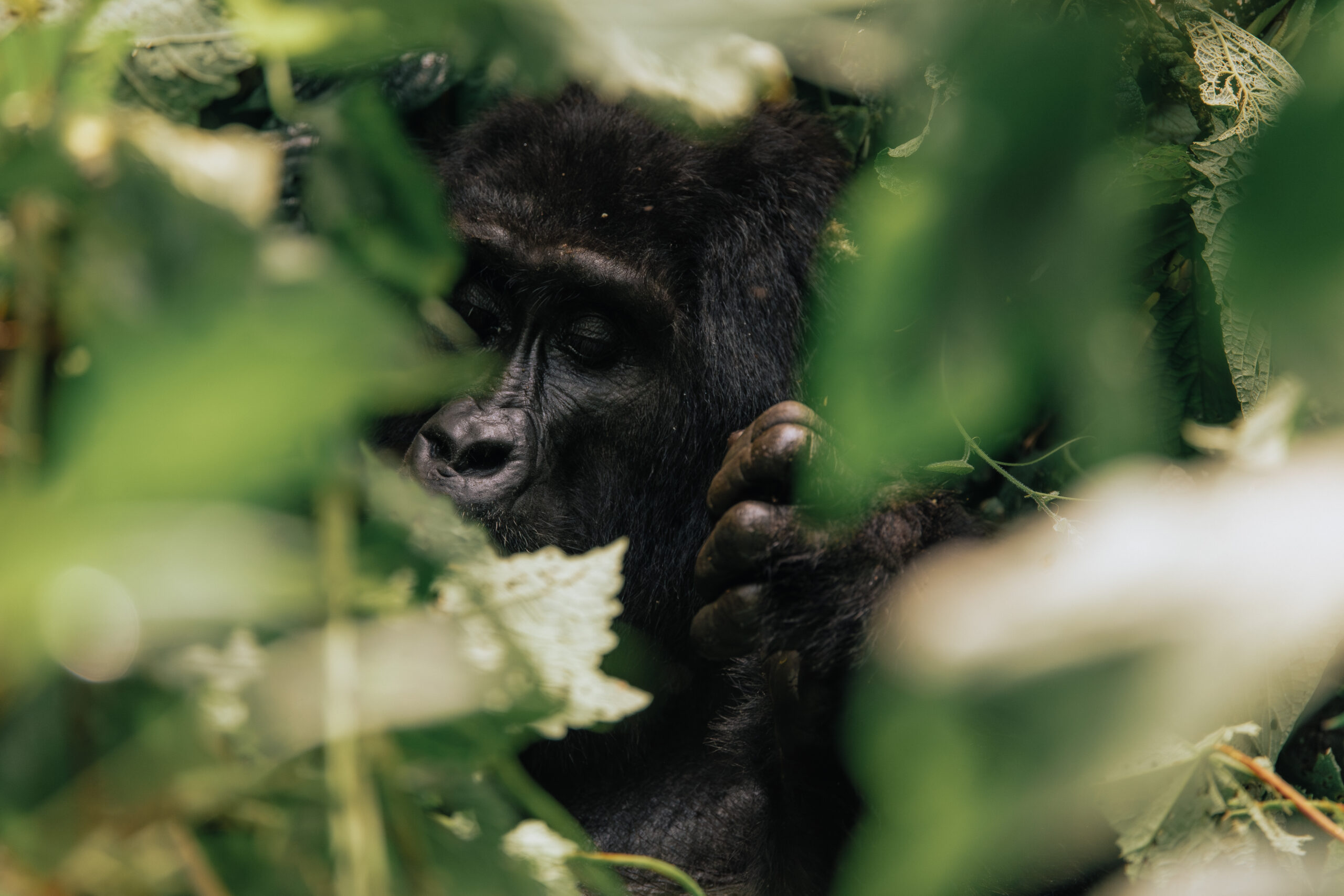
Many travelers book their international flights and hotels first, assuming they can arrange activities closer to their departure date. In Rwanda, this is a major miscalculation. Daily gorilla tracking permits in Volcanoes National Park are strictly limited and frequently sell out months—or even a full year—in advance during peak dry seasons (June to September and December to February).
How to avoid it: Secure your gorilla permits through the Rwanda Development Board (RDB) or a licensed tour operator before booking your international flights.
3. Underestimating Drive Times
On a map, Rwanda appears compact—you can drive from Kigali to Musanze (near Volcanoes National Park) in roughly 105 kilometers. This leads many first-time visitors to assume they can easily drive from Kigali to Nyungwe Forest, Lake Kivu, and Volcanoes National Park within a tight schedule. In reality, Rwanda’s mountainous terrain means roads are steep, winding, and governed by strict speed limits. A 100-kilometer (62-mile) journey can easily take three hours.
How to avoid it: Build buffer time into your itinerary. Focus on two or three key regions rather than trying to crisscross the entire country in a few days, and avoid driving outside of Kigali after dark.
4. Packing Non-Biodegradable Plastic Bags
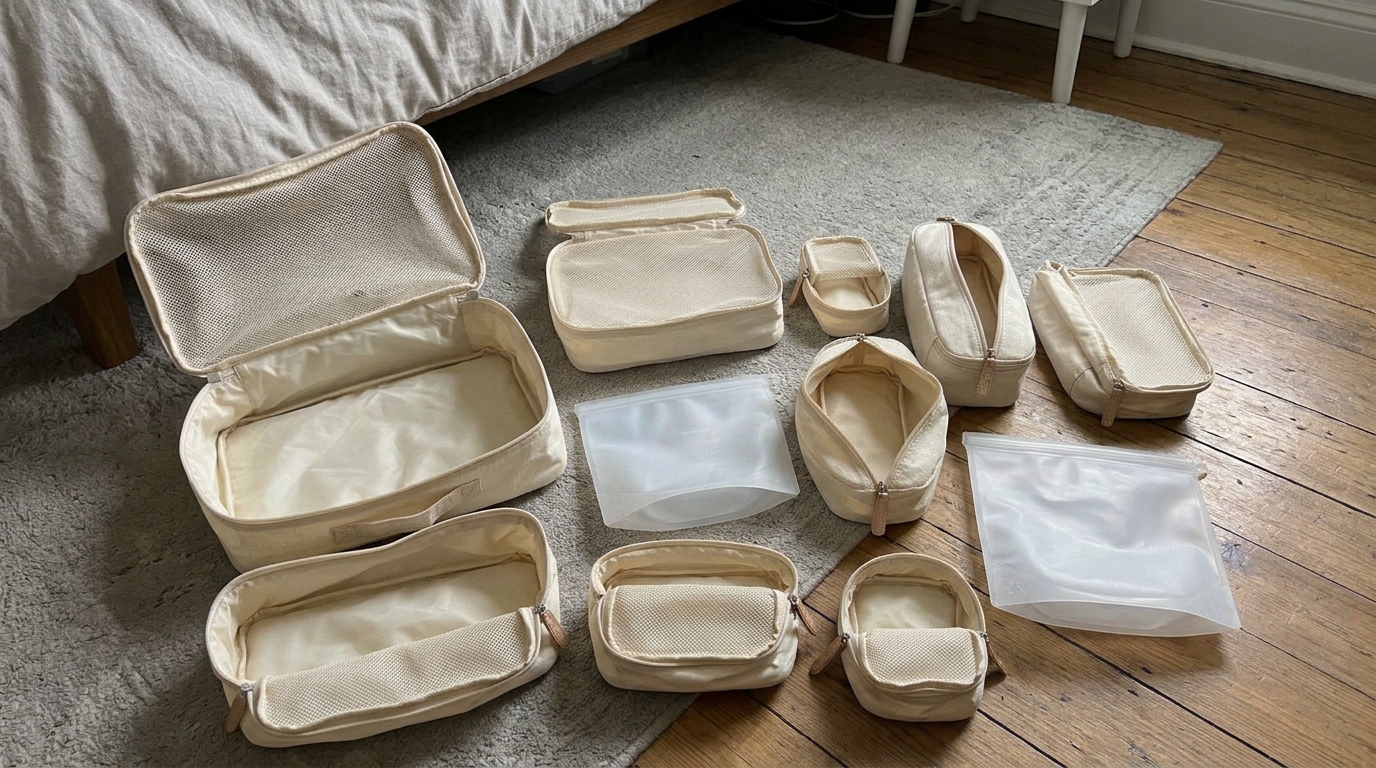
One of the biggest shocks for unprepared arrivals at Kigali International Airport is Rwanda’s strict nationwide ban on non-biodegradable plastic bags, which has been enforced since 2008. Customs officials at Kigali International Airport actively inspect luggage and will confiscate any plastic shopping bags, duty-free bags, or Ziploc-style pouches upon arrival.
How to avoid it: Pack your toiletries and gear in reusable cloth pouches, silicone bags, or packing cubes. If you buy items at a duty-free shop, remove them from the plastic bag before landing in Kigali.
5. Packing the Wrong Clothes for Forest Treks or Kigali
Weather conditions often surprise first-time travelers—even though Rwanda sits just south of the equator, temperatures shift noticeably with altitude. Highland forest trails can be cool, steep, muddy, and damp even in drier months, whereas Kigali has lively neighborhoods and modern dining spots where everyday or smart-casual clothes fit right in.
How to avoid it: Pack breathable layers, a waterproof jacket and rain pants, sturdy broken-in hiking boots, and warm pieces for chilly mornings and evenings. If your route includes Akagera, leave bright blue clothing at home since it tends to attract tsetse flies.
6. Overlooking Visas, Health Prep, and Tracking Rules
Leaving entry paperwork, vaccinations, travel insurance, or trail health rules until the last minute can create stress right before departure. For gorilla tracking in particular, guests must be at least 15 years old, arrive on time for the morning briefing, and be free of contagious illnesses so we protect the gorillas from human diseases.
How to avoid it: Check entry and visa rules early through official sources, get travel insurance, and talk to a travel health doctor ahead of time about vaccinations and malaria prevention. If you come down with a cold or flu, let your guide or operator know right away.
7. Relying Only on Cards or Old USD Bills
While luxury hotels, safari lodges, and major restaurants in Kigali accept Visa and Mastercard, cash remains widely used in local markets, rural cafes, and when tipping guides or porters. Furthermore, banks and forex bureaus in Rwanda will reject U.S. dollar banknotes printed before 2013, as well as bills that are torn, heavily creased, or marked with ink.
How to avoid it: Carry crisp, newer-series U.S. dollars in small and large denominations, and withdraw Rwandan Francs (RWF) at Kigali Airport ATMs for everyday local expenses.
8. Bringing Vapes or E-Cigarettes Into the Country
Many travelers assume electronic cigarettes are treated like standard tobacco products, but Rwanda has banned the importation, sale, and use of vapes and e-cigarettes. Airport security scanners routinely detect these devices in both checked and carry-on luggage, resulting in immediate confiscation and potential fines.
How to avoid it: Leave all vaping devices, e-cigarettes, at home before traveling to Rwanda.
9. Overlooking Umuganda ( National Community Service Day)
On the last Saturday of every month, Rwandans nationwide participate in Umuganda—a mandatory morning of community service from 8:00 AM to 11:00 AM dedicated to cleaning streets, repairing infrastructure, and tending public spaces. During these three hours, shops close, public transit halts, and private vehicles are generally restricted from the roads.
How to avoid it: Check the calendar before finalizing your itinerary. If your trip overlaps with Umuganda, ask your hotel or guide how to participate respectfully, or arrange an airport transfer exemption in advance if you have a morning flight.
10. Treating Culture, History, or Photography Casually
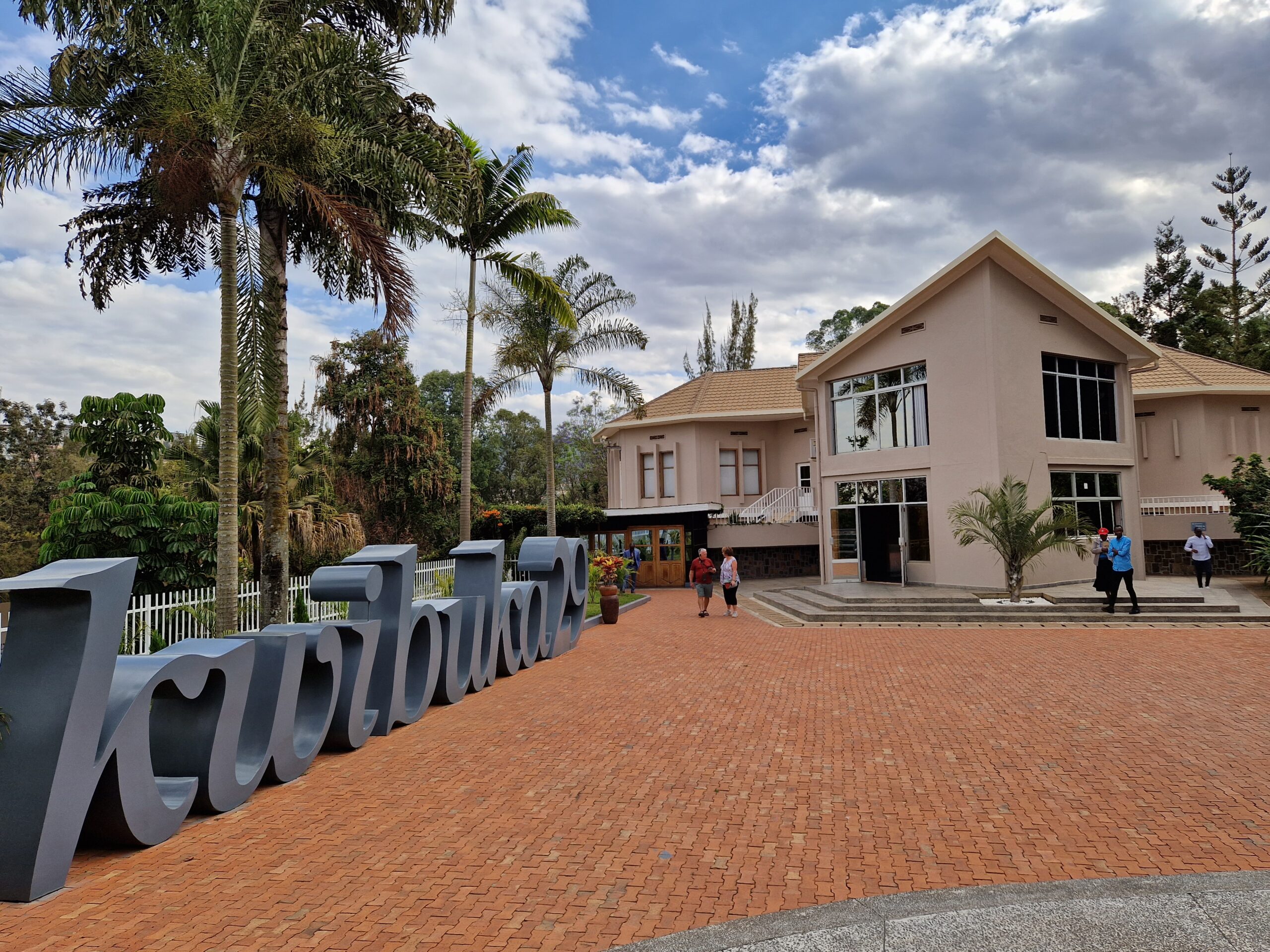
Rwanda values courtesy, neatness, and thoughtful interaction. Taking photos of people or memorials without asking, or pressing locals about painful genocide memories, can create friction or keep you from connecting meaningfully with the place.
How to avoid it: Always ask before photographing people or sensitive sites, and accept a “no” without hesitation. Approach historical memorials with care through exhibits and guides rather than questioning individuals about personal trauma, and learn a few Kinyarwanda greetings.
Frequently Asked Questions About Visiting Rwanda
What is the best time of year to visit Rwanda?
The best time to visit Rwanda is during the two dry seasons: the long dry season from June to September and the short dry season from December to February. During these months, forest trails in Volcanoes National Park and Nyungwe Forest are drier and easier to hike, and wildlife in Akagera National Park gathers around water sources. The rainy seasons (March to May and October to November) bring muddier trails but offer lush scenery, fewer crowds, and lower lodge rates.
Can you drink the tap water in Rwanda?
No, visitors should not drink tap water in Rwanda, including in Kigali hotels. Stick to bottled, filtered, or boiled water for drinking and brushing your teeth.
What is the dress code for visiting the Kigali Genocide Memorial?
Visitors to the Kigali Genocide Memorial and other memorial sites should dress modestly out of respect for the burial grounds. Wear clothing that covers your shoulders and knees, avoid revealing outfits, speak quietly, and strictly follow signage regarding where photography is prohibited.
What happens during Umuganda in Rwanda, and how does it affect tourists?
Umuganda is a mandatory nationwide community service day held on the last Saturday of every month from 8:00 AM to 11:00 AM. During these hours, shops close, public transport pauses, and streets are closed to general traffic. Tourists with scheduled airport transfers or national park departures may travel if they carry their passport and a flight ticket or park itinerary.
Is Rwanda safe for solo travelers?
Yes, Rwanda is widely considered one of the safest destinations in Africa for solo travelers, including solo female travelers. Violent crime against tourists is rare, Kigali has well-lit streets and a strong security presence, and national parks are heavily regulated with professional guides. As with any destination, standard precautions apply—such as avoiding unlit areas late at night, keeping valuables secure in crowded markets, and sticking to established tourist routes away from the immediate Democratic Republic of the Congo border.
Have questions about planning your trip to Rwanda? Get personalized advice and custom safari itineraries directly from our team—message us on WhatsApp at +256 742 111 959 or email travel@jackaladventuresafrica.com today.