10 Common Mistakes First-Time Travelers Make In Rwanda
November 23, 2026
Golden Monkey Tracking in Rwanda & Uganda
November 25, 2026

Africa’s biggest international football tournament is coming to East Africa in 2027. From June 19 to July 17, 2027, TotalEnergies CAF AFCON PAMOJA 2027 brings 24 teams to six confirmed host cities—Kampala and Hoima in Uganda, Nairobi in Kenya, and Dar es Salaam, Arusha, and Zanzibar in Tanzania. For the first time, three neighboring nations will co-host the tournament, and the dates fall within East Africa’s peak dry season, making it easy to combine stadium atmosphere with prime wildlife viewing between fixtures.
Key AFCON 2027 Tournament Facts
| Key Information | Details |
| Title | TotalEnergies CAF Africa Cup of Nations PAMOJA 2027 (36th edition) |
| Tournament | Africa Cup of Nations (AFCON) |
| Official Theme | PAMOJA 2027 |
| Host Countries | Uganda, Kenya, and Tanzania |
| Opening Date | June 19, 2027 |
| End Date | July 17, 2027 |
| Participating Teams | 24 national teams |
Pamoja means “together,” reflecting three neighboring countries uniting to co-host the tournament and bring fans and cultures across East Africa together.
Where AFCON 2027 Will Take Place
Matches are set across six confirmed host cities across East Africa, making it easy to shape your trip around the cities and parks you want to visit most:
-
Uganda: Matches are confirmed for Kampala (Mandela National Stadium) and Hoima (Hoima City Stadium).
-
Kenya: Hosting is focused on Nairobi, using Moi International Sports Centre (Kasarani) and Talanta Stadium.
-
Tanzania: Hosting covers Dar es Salaam (Benjamin Mkapa Stadium), Arusha (Samia Suluhu Hassan Stadium), and Zanzibar (Fumba Stadium and Amaan Stadium).
CAF hasn’t yet shared which stadium hosts which match, so keep your travel plans flexible around match dates and check the exact schedule once it’s released.
What Visitors Can Explore in Each Country
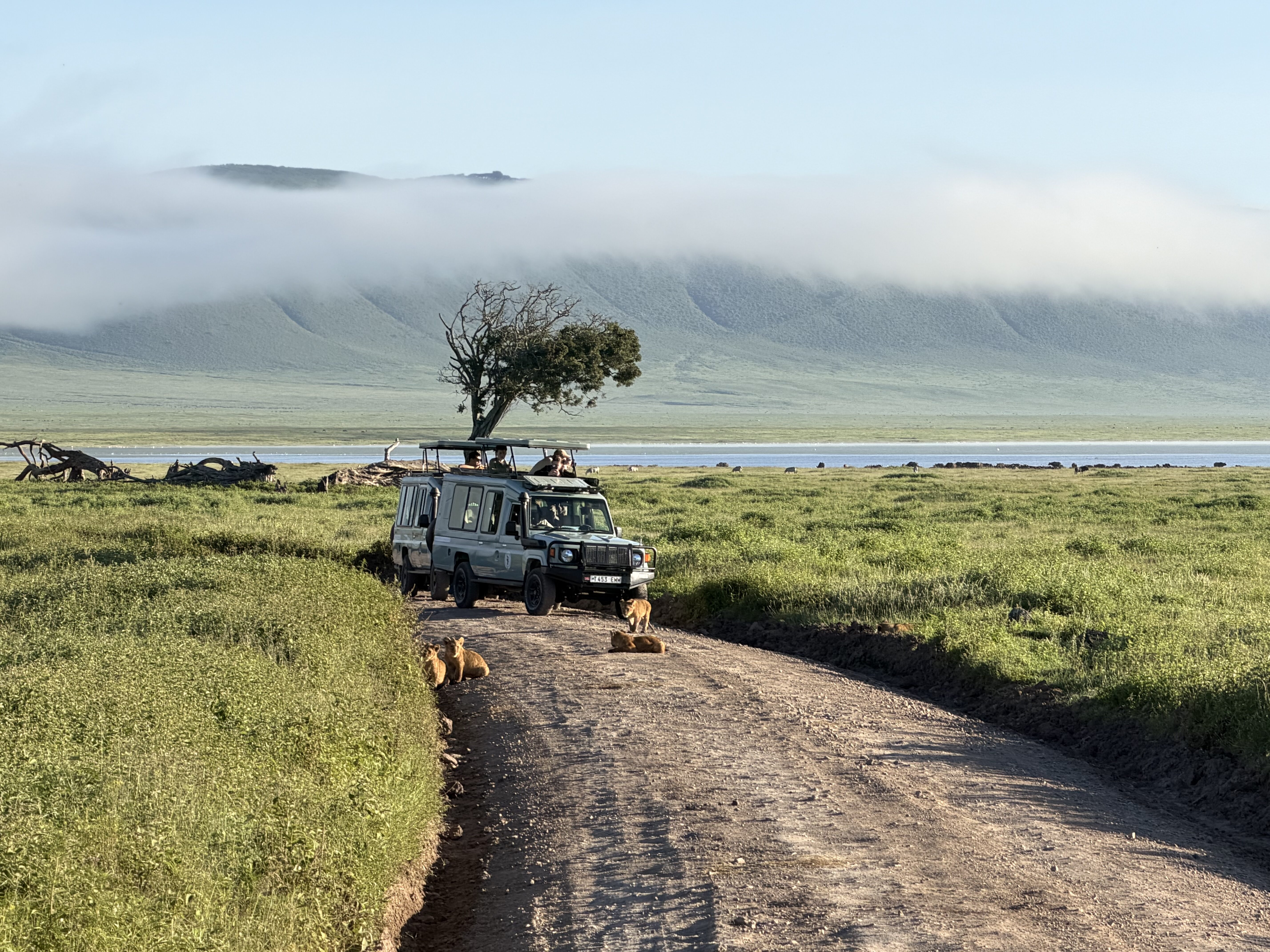
Pairing AFCON with a safari is so rewarding because each host country gives you a different kind of trip between matches.
Uganda: Forests, Primates & River Adventures

If you spend match days around Kampala or Hoima, you can easily pair football with lush green parks and wildlife. Near Hoima, Murchison Falls National Park and Budongo Forest are great choices for game drives and boat rides along the Nile. Furthermore, you can also try chimpanzee tracking there. From Kampala and Entebbe, you can head east to Jinja for river trips. Alternatively, you can travel west and southwest toward Kibale National Park for chimpanzees. You can also visit Bwindi Impenetrable or Mgahinga Gorilla National Park to track mountain gorillas. Daily gorilla permits are limited, so book those well ahead if gorilla tracking is on your list.
Kenya: City Wildlife & Big Savannahs
Nairobi lets you jump from a lively matchday straight into wildlife. If you only have a day or two between games, Nairobi National Park sits right beside the city. There are also easy stops like the Giraffe Centre. However, if you have three to six days or more, road trips and short flights link Nairobi to the Maasai Mara, Amboseli, Lake Naivasha, or conservancies like Samburu. Just give yourself extra time for Nairobi traffic and airport transfers on matchdays.
Tanzania: Big Game Parks & Island Beaches
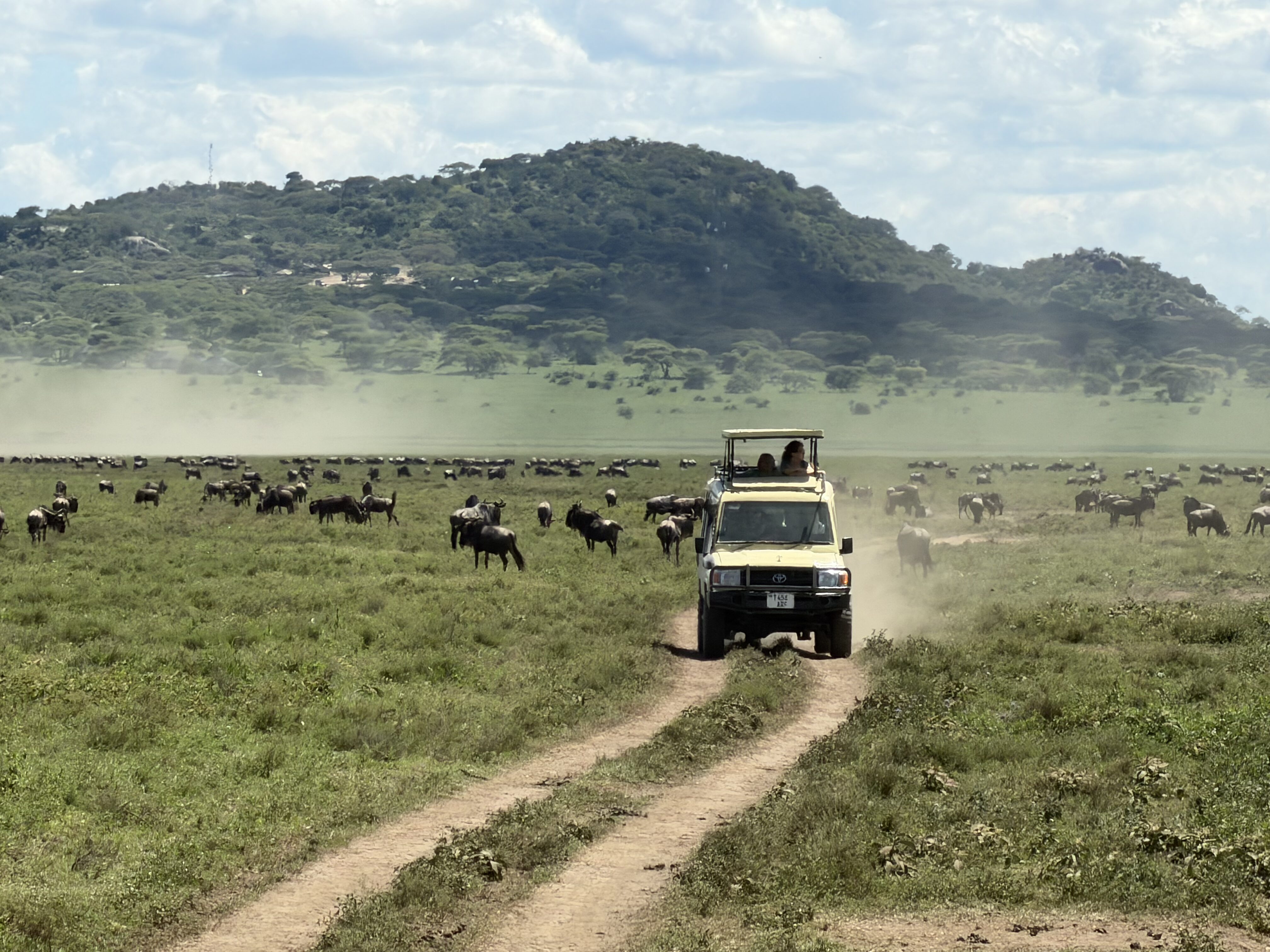
With matches across three spots in Tanzania, you can mix classic wildlife parks with time by the sea. Arusha is your jumping-off point for Tanzania’s northern circuit—Tarangire, Lake Manyara, Ngorongoro Crater, and the Serengeti. Here, late June and July bring strong dry-season game viewing. Dar es Salaam connects you to southern parks like Mikumi and Nyerere National Park, or over to Zanzibar. There, you can relax on the beach, walk through Stone Town, and take a spice tour.
How Entry Rules Differ by Country
Crossing borders during an AFCON 2027 multi-country safari takes planning. This is because each host country sets its own rules for passports, entry permits, health certificates, and mandatory insurance.
| Entry Requirement | Uganda | Kenya | Tanzania |
| Passport & Visa | Carry a passport with at least 6 months of validity left and apply for the right visa. | Carry a valid passport and apply online for Kenya’s Electronic Travel Authorisation (eTA) before travel. | Carry a valid passport and apply for a visa or check exemption rules for your nationality. |
| Mandatory Inbound Insurance | Buy personal travel and medical insurance before your trip. | Check current official rules on Kenya’s eTA portal and buy travel and medical cover before you fly. | Buy Tanzania’s mandatory government inbound insurance ($44 USD per adult, valid up to 92 days) for your first entry point—NIC for mainland Tanzania (started October 1, 2026) or ZIC for Zanzibar. Private cover does not replace it. |
| Health & Vaccinations | A Yellow Fever certificate is no longer required to enter Uganda. Ask a travel doctor if getting the vaccine fits your health needs or any next stops on your trip. | Bring your Yellow Fever vaccination certificate if you fly from or pass through a risk country. | Bring your Yellow Fever vaccination certificate if your travel route includes a risk country, and complete any arrival health checks for mainland Tanzania or Zanzibar. |
Pack both printed and digital copies of your passport, visa or travel authorizations, Yellow Fever certificate, and any Tanzanian insurance certificate on hand when you cross borders. Always double-check official government websites before you book. This is important because entry rules can change.
How to Combine AFCON 2027 with an East Africa Safari
-
Match your trip length to the distance: Keep one- to two-day gaps for city time, day trips, or close parks like Nairobi National Park. Save longer multi-day safaris, gorilla treks, or Serengeti and Maasai Mara loops for breaks of four days or more.
-
Fly for long cross-country and cross-border hops: Short flights between Kampala or Entebbe, Nairobi, Arusha, Dar es Salaam, and Zanzibar save hours on the road and keep you fresh for matchdays.
-
Add buffer days around big games and flights: Do not book a tight bush flight or long road transfer on the same day as a must-see match or your flight home.
-
Book permits, lodges, and trusted operators early: Late June and July bring both football fans and busy dry-season safari demand, so lock in your gorilla permits, park stays, and transfers well ahead of time.
Practical Travel Tips for AFCON 2027 Visitors
Entry Visas & Border Rules: There is currently no single tourist visa covering all three co-hosts. The East Africa Tourist Visa covers Kenya and Uganda (plus Rwanda), while Tanzania requires a separate e-visa or entry clearance. Confirm each country’s entry requirements and any proposed regional fan passes well before booking multi-country flights.
Flexible Booking Until Fixtures Drop: Keep hotels and regional flights refundable or changeable until CAF releases exact stadium allocations and kick-off times, and purchase match passes strictly through official CAF channels.
Book High-Demand Safaris Early: Because June and July mark peak dry-season travel across East Africa, secure gorilla tracking permits in Uganda and popular safari lodges in Kenya and Tanzania months in advance.
Buffer Your Transfers: Avoid scheduling a long road transfer, border crossing, or safari drive on the same day as a match. Build in extra time for city traffic in Kampala, Nairobi, and Dar es Salaam, as well as stadium security screening.
Reach out to us at travel@jackaladventuresafrica.com or on WhatsApp at +256 742 111 959 so we can tailor your AFCON 2027 match-and-safari itinerary across Uganda, Kenya, and Tanzania.