
The Ultimate Guide to Gorilla Trekking in Uganda
February 11, 2026
Chimpanzee Trekking in Kibale National Forest
February 11, 2026
Ask any travel guide when the best time to visit Uganda for gorilla trekking is, and you’ll get the same answer everywhere: the dry season. That’s not wrong—but it’s not the whole story either. Ask the people who actually lead these treks year-round, rain or shine, and you’ll get a more honest answer: it depends on what you’re actually trying to get out of the day. Dry season means firmer trails and easier logistics. But wet season often means shorter hikes, because the gorillas themselves come down to you.
Key Facts About Gorilla Trekking in Uganda
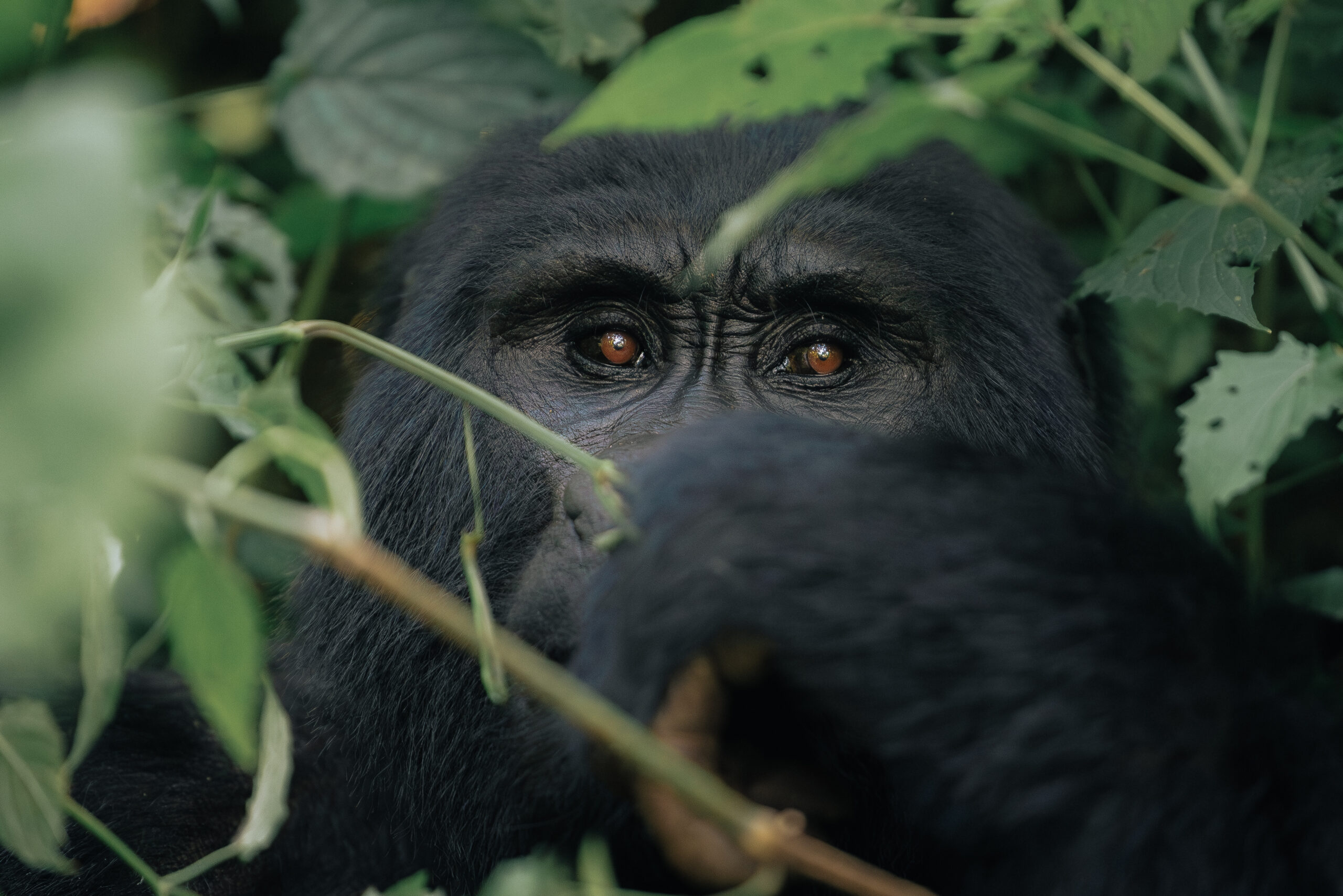
- Gorilla population: Uganda protects over half of the world’s remaining mountain gorillas across two parks: Bwindi Impenetrable Forest and Mgahinga Gorilla National Park.
- Permit Prices: Standard gorilla trekking permits cost $800 USD per person for Foreign non-residents, set and managed directly by the Uganda Wildlife Authority (UWA).
- Habituation Experience: For extended viewing, Uganda offers a Gorilla Habituation permit at $1,800 USD per person, allowing you to spend 4hours with a semi-wild group in Bwindi’s Rushaga Sector.
- Strict Visitor Limits: Standard trekking groups are capped at a maximum of 8 tourists per gorilla family per day for 1 hour of direct observation.
- Trek Duration: Hikes range from 1 to 6 hours roundtrip depending on where the gorillas nested the previous night.
- Advance Booking Window: Peak dry season permits sell out fast; reserve your slot 3 to 6 months ahead to secure your preferred dates and sector.
Quick Comparison: Peak vs. Off-Peak Seasons
Peak Dry Seasons (June-August & December-February)
- The advantages are drier trails that make hiking easier, clearer canopy lighting for photography, and seamless logistics.
- The drawbacks are that high demand causes permits to sell out months early, safari lodges charge full peak rates, and trekking groups operate at maximum capacity.
Off-Peak Season (March-May & October-November)
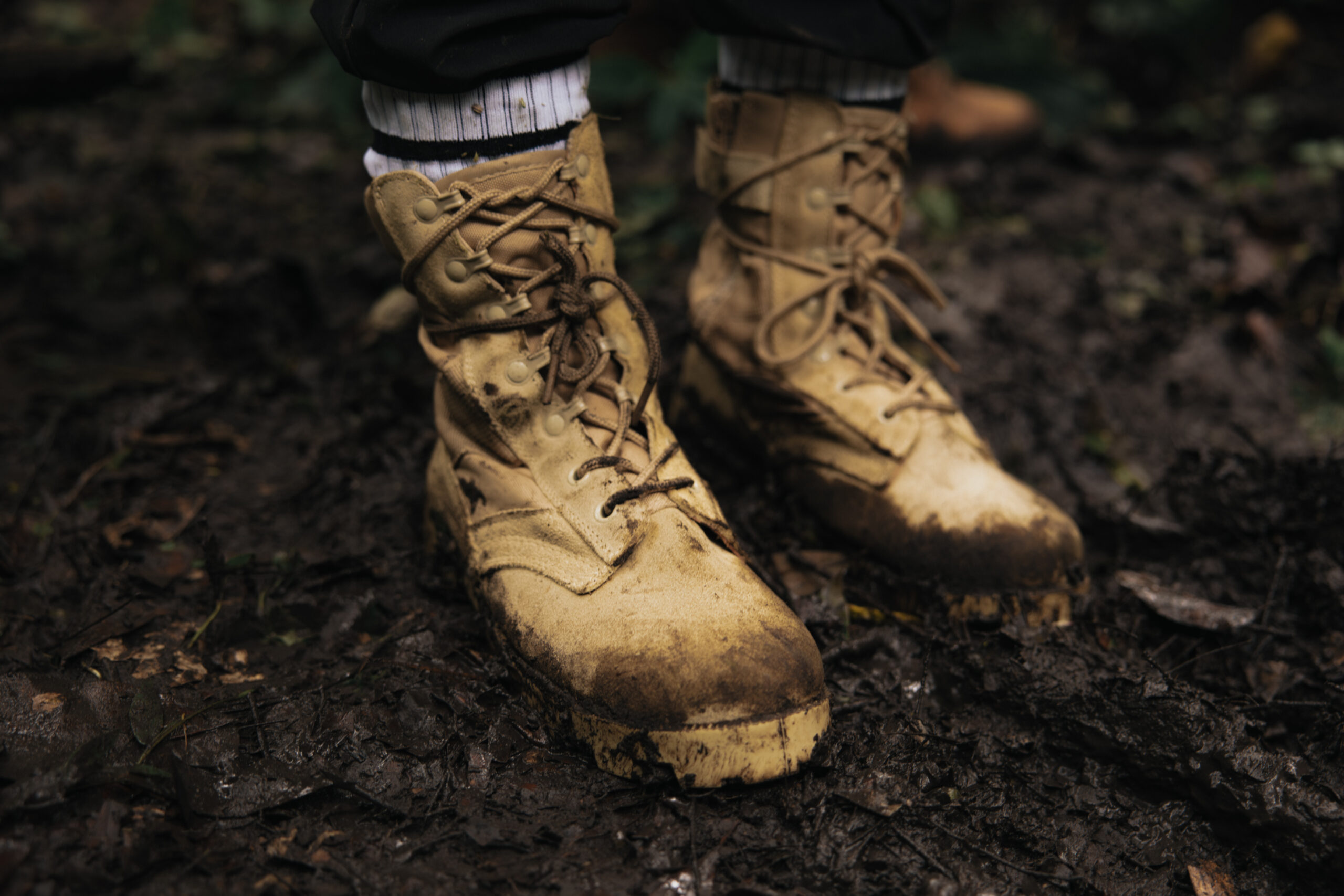
- The Reality on the Ground: Expect muddy, slippery rainforest slopes and frequent heavy downpours, which will require strong physical fitness and quality waterproof gear.
- The Hidden Upside: As any local ranger will tell you, gorillas don’t like heavy rain high on the cold ridges either. During wet months, family groups frequently stay lower down where bamboo shoots are plentiful, and shelter is easier to find. This often results in significantly shorter hikes than in the dry season.
- The Perks: For budget-conscious travelers, this window provides promotional gorilla permits ($600 USD down from $800 USD in select months), 15% to 30% savings on lodge rates, and near-private forest trails.
Month-by-Month Breakdown for Gorilla Trekking
Is Gorilla Trekking Possible Year-round
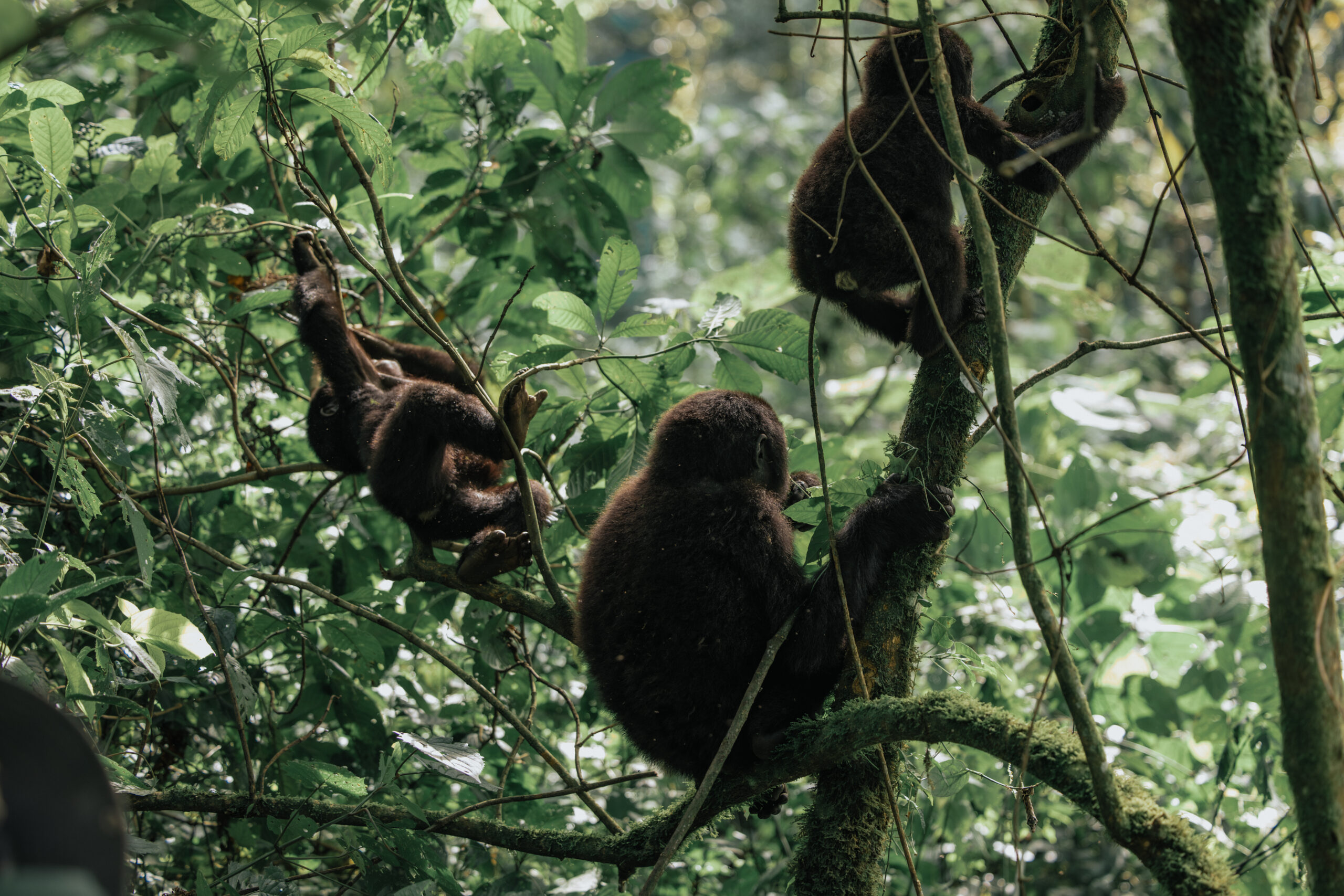
Permit Availability and Booking Rules
- Standard Trekking Permit Rates: Standard permits cost $800 USD for foreign non-residents ($700 USD for foreign residents, $500 USD for Rest of Africa, and 300,000 UGX for East African Community citizens).
- Low-Season Promotional Permits: During low-season months (April, May, and November), promotional permits drop to $600 USD for foreign non-residents.
- Gorilla Habituation Experience: For travelers seeking an extended encounter, habituation permits cost $1,800 USD per person.
- Peak Season High Demand: Permits sell out quickly due to high demand. Secure your permit 6 to 12 months in advance.
- Low Season Flexibility: Permit availability is much higher. Booking 2 to 3 months early is recommended to lock in promotional rates and ideal lodging.
- Strict Payment Policy: The Uganda Wildlife Authority (UWA) requires full payment upfront to confirm gorilla permits—tentative holds are not allowed.
Essential Packing List
- Footwear & Gaiters: Waterproof hiking boots with strong ankle support and deep tread are non-negotiable for navigating slippery trails. Pair them with sturdy gaiters to keep mud, rain, and safari ants out of your boots.
- Layered Clothing: Wear lightweight, long-sleeved shirts and long pants (tucked into your socks) to protect against stinging nettles, sharp thorns, and insects. Choose neutral, earth-tone colors like khaki, green, or brown.
- Rain Gear: Bring a breathable waterproof rain jacket or poncho. Equatorial rainforests experience sudden downpours even during the dry season.
- Gardening Gloves: Lightweight gardening gloves protect your hands when grabbing vines, branches, or muddy slopes for balance along unpaved paths.
- Daypack & Rain Cover: A small 20L to 30L waterproof daypack holds your water, snacks, camera gear, and extra layers hands-free during the hike.
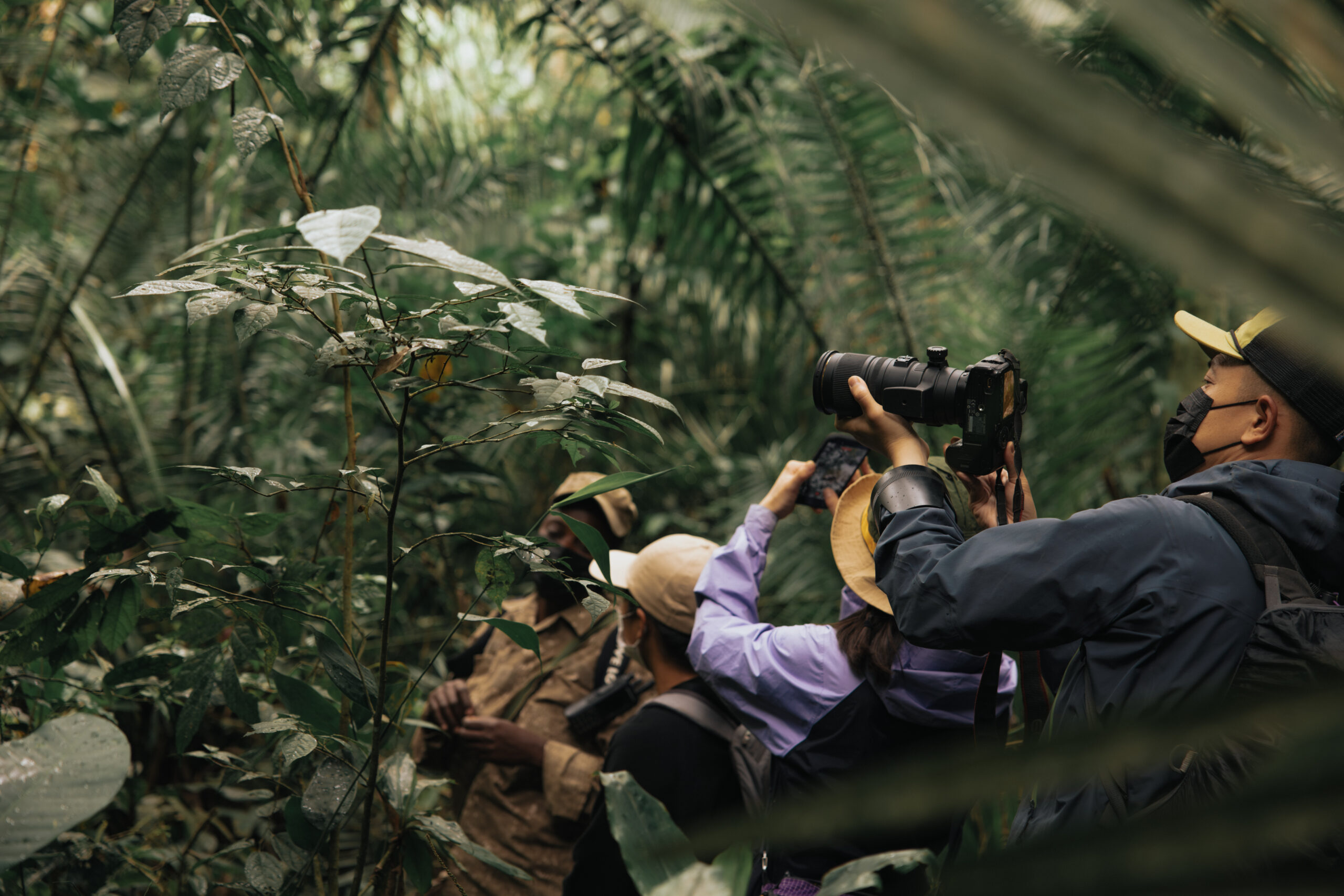
- Health & Photography Gear: Carry a camera with no-flash settings enabled, spare camera batteries, insect repellent, a medical mask, and at least 2 liters of drinking water.
Health and Fitness Requirements
- Physical Fitness: Treks last 1 to 6 hours. A moderate level of fitness is necessary. Prepare 6 to 8 weeks prior with cardio workouts and leg exercises. Local porters ($20) are available at the trailhead to carry gear and assist on steep slopes.
- Age Limit: The official minimum age for gorilla trekking is 15 years.
- Primate Health Protection: Mountain gorillas share roughly 98% of human DNA, making them highly vulnerable to airborne illnesses. Anyone displaying symptoms of any illness (like a cold, flu, or cough) will be turned away by park staff.
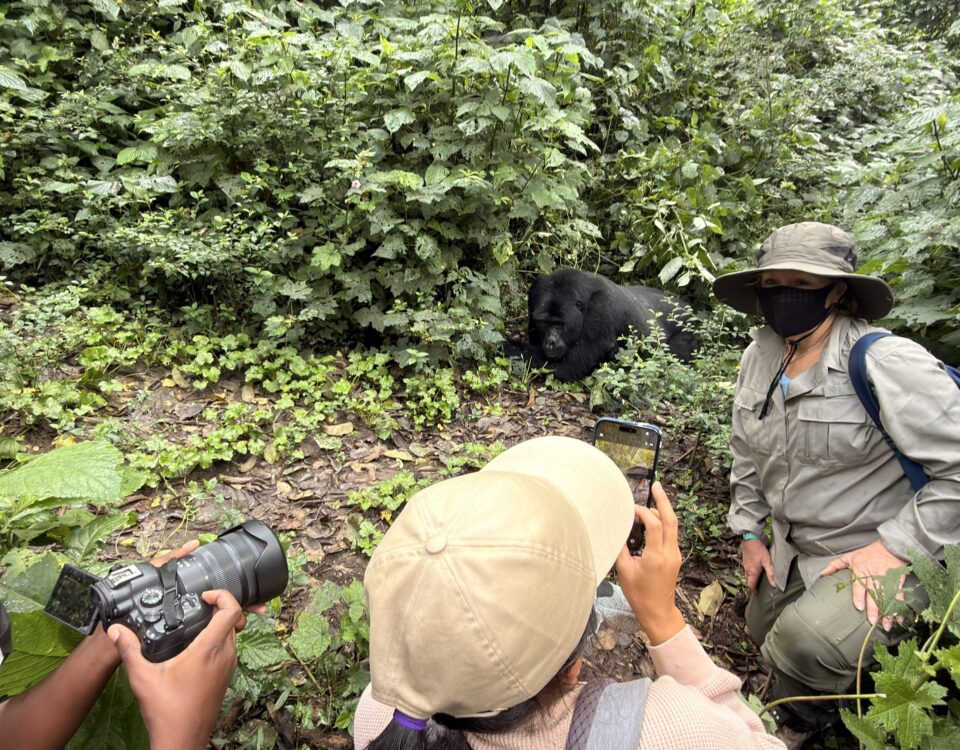
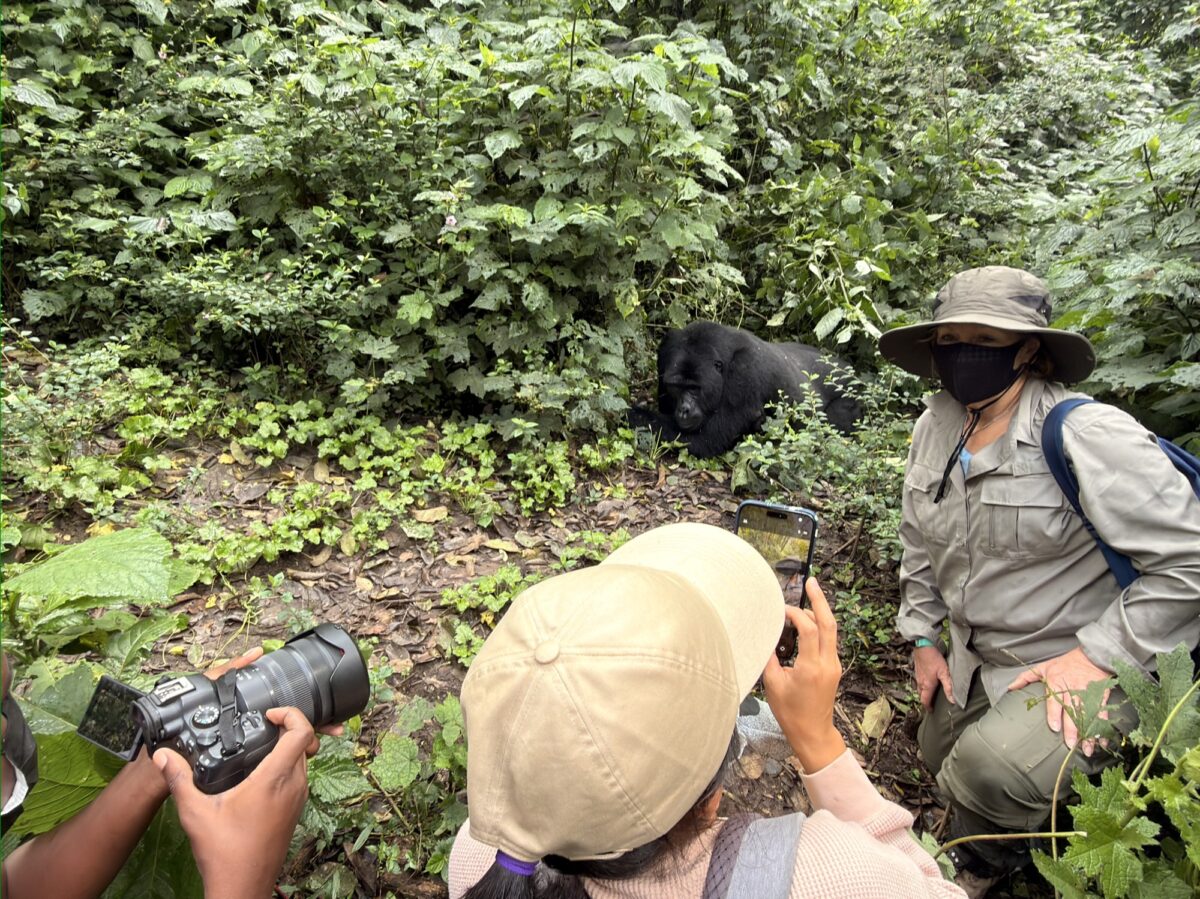
- Safety Protocols: Visitors must wear face masks during the one-hour encounter.
Frequently Asked Questions About Gorilla Trekking in Uganda
Is there any age limit for gorilla trekking in Uganda?
Bwindi or Mgahinga: Which park is better?
Can I track gorillas if I have physical limitations?
What is the tipping etiquette for guides and porters?
- Park Ranger Guide: $15–$20 USD.
- Personal Porter: $20 USD
- Trackers and Escorts: $10–$15 USD total (split among trackers).
What if we do not find the gorillas?
Trek with Jackal Adventures
A trip like this works best when it’s planned properly, not squeezed in as an afterthought. Timing your trek around real seasonal conditions, choosing the right sector based on trail difficulty, and securing your permits early—these are the details a good local operator handles so you don’t have to think about them. That’s really what we’re here for: not selling you an experience, just making sure the one you have is the real thing.