
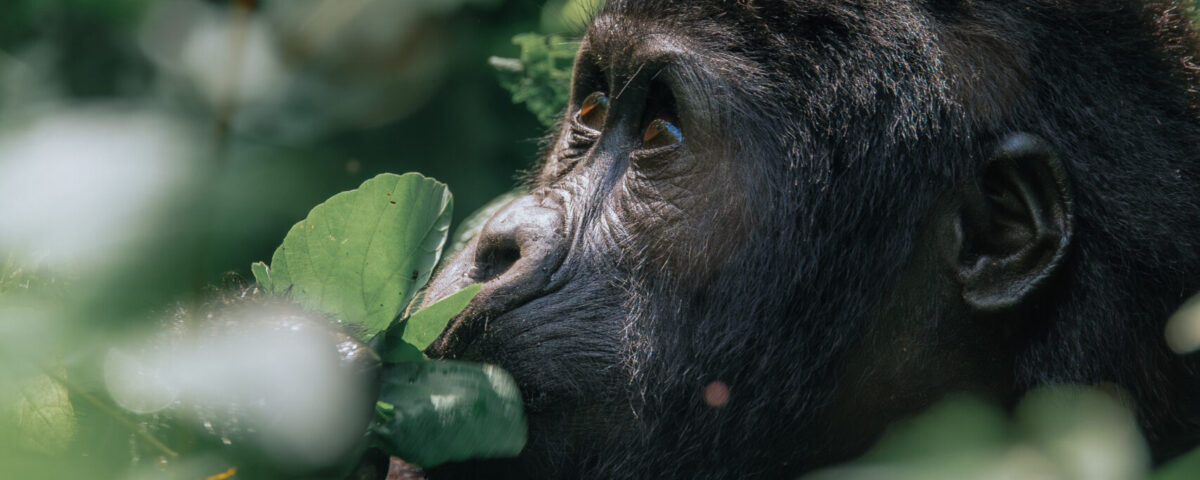
The Uganda gorilla trekking permit costs $800 per person for foreign non-residents in 2026 (or $600 during low season, April, May, and November). But the permit is only one line on the bill. Once you add transport, accommodation, meals, and tips, a full trip typically lands somewhere between $1,550 on the budget end and $5,000+ for a luxury experience, depending on how you travel and where you sleep. Below, each of those costs is broken down with real numbers, so you can build your own budget instead of guessing from a vague range.
The Permit — What It Actually Costs
The gorilla trekking permit is the single biggest fixed cost of any Uganda trek, and it’s set directly by the Uganda Wildlife Authority (UWA), not by tour operators, so the price doesn’t change no matter who you book through.
2026 permit pricing:
| Traveler Category | Price Per Person |
| Foreign Non-Resident (FNR) | $800 |
| Foreign Resident | $700 |
| Rest of Africa citizen | $500 |
| East African Community (EAC) citizen | UGX 300,000 |
What the standard permit includes:
- Park entrance fee for the trekking day
- One hour with a habituated gorilla family
- A UWA-trained ranger guide
- Dedicated trackers who head out at sunrise to pinpoint exactly where the gorilla family has moved overnight so your guide can take you straight to them.
- Armed security escort during the trek
What it does not include: transport to the park, accommodation, meals, or tips — all covered further down.
Low Season Discount
If your travel dates are flexible, April, May, and November bring a genuine discount: the permit drops to $600 per person for foreign non-residents. Two things to know before you book a low-season permit:
- These discounted permits are non-reschedulable: if your dates change, you lose the discount and the deposit logic that comes with it.
- The trails can be muddier during these months, though many trekkers find the forest at its most lush, and gorillas often descend to lower elevations to forage, which can mean shorter treks.
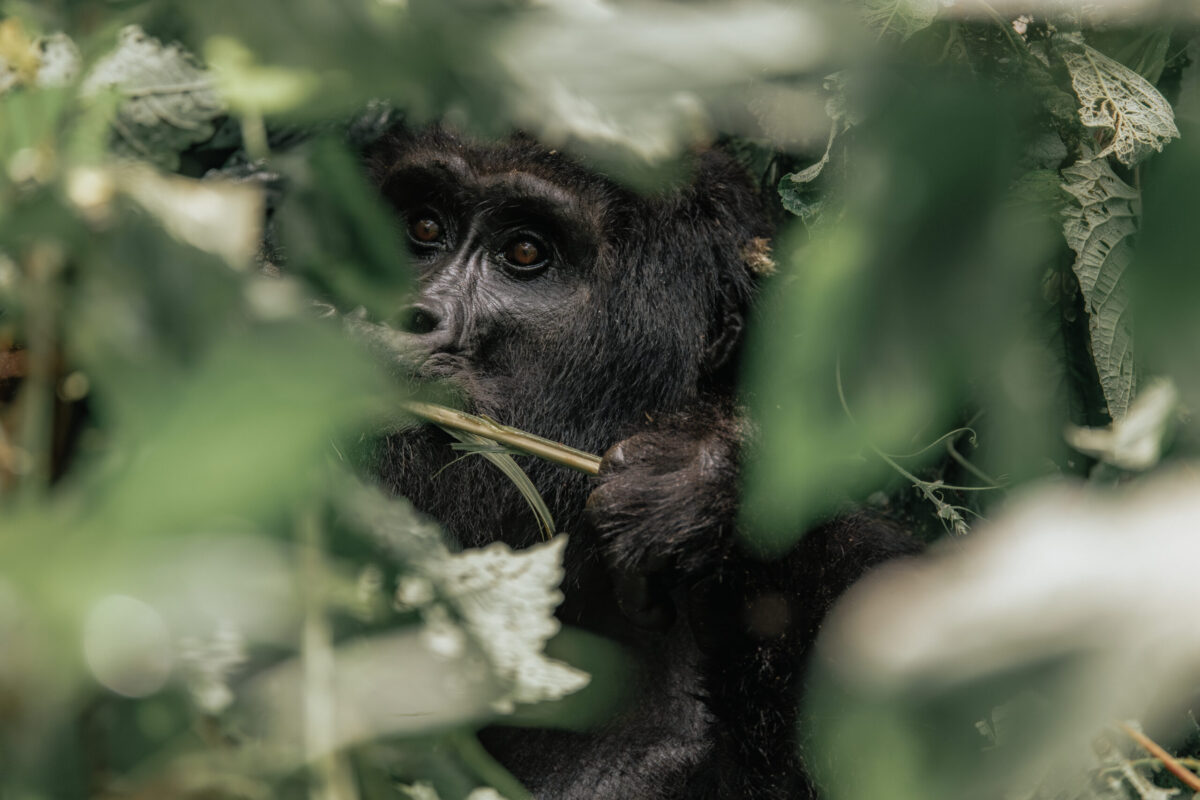
Up-close with Bwindi’s gentle giants
The March 2026 Rule Change You Need to Know About
As of March 1, 2026, UWA removed the previous 7-day reservation window that allowed travelers to hold a permit before paying in full. Permits must now be paid in full at the time of booking to be secured. There is no soft-hold period anymore.
In practical terms, this means:
- You can no longer “pencil in” a date and pay later. The permit isn’t yours until it’s paid for.
- Popular sectors and peak-season dates can sell out faster now, since permits aren’t sitting in a reserved-but-unpaid state.
- Early booking matters more in 2026 than it did in previous years for peak months; 6–10 months ahead is a reasonable target.
This is one of the more significant changes to the Uganda permit system in recent years, and travelers researching older articles online may not realize it’s already in effect.
A Recent Example: What Happened During the 2026 Ebola Response
Rules around rescheduling aren’t always fixed in stone. Uganda Wildlife Authority (UWA) can and does adjust its policy in response to real-world events, and the 2026 Ebola outbreak is a recent, concrete example of that flexibility in action.
During the outbreak, UWA advised tour operators that where a guest was unable to travel because of Ebola-related concerns, gorilla permits could be rescheduled at no additional UWA rescheduling cost, a departure from the standard reschedule fee. This wasn’t automatic: it required clear written confirmation from the guest or their tour operator, and every request remained subject to UWA verification and permit availability on the new date. Low-season (green season) permits could only be moved to another low-season date, not swapped for a high-season slot.
This is worth knowing, but it’s important to be clear-eyed about what it means: this was a one-off accommodation tied to a specific public health situation, not a standing policy. If Uganda experiences another nationwide health event, a natural disaster, or a similar disruption in the future, UWA may or may not offer the same flexibility, as it’s decided case by case by the government at the time, and there’s no guarantee it will happen again. It’s a good example of the kind of goodwill UWA has shown before, not a rule travelers should plan a trip around.
The Gorilla Habituation Experience — A Different Product, A Different Price
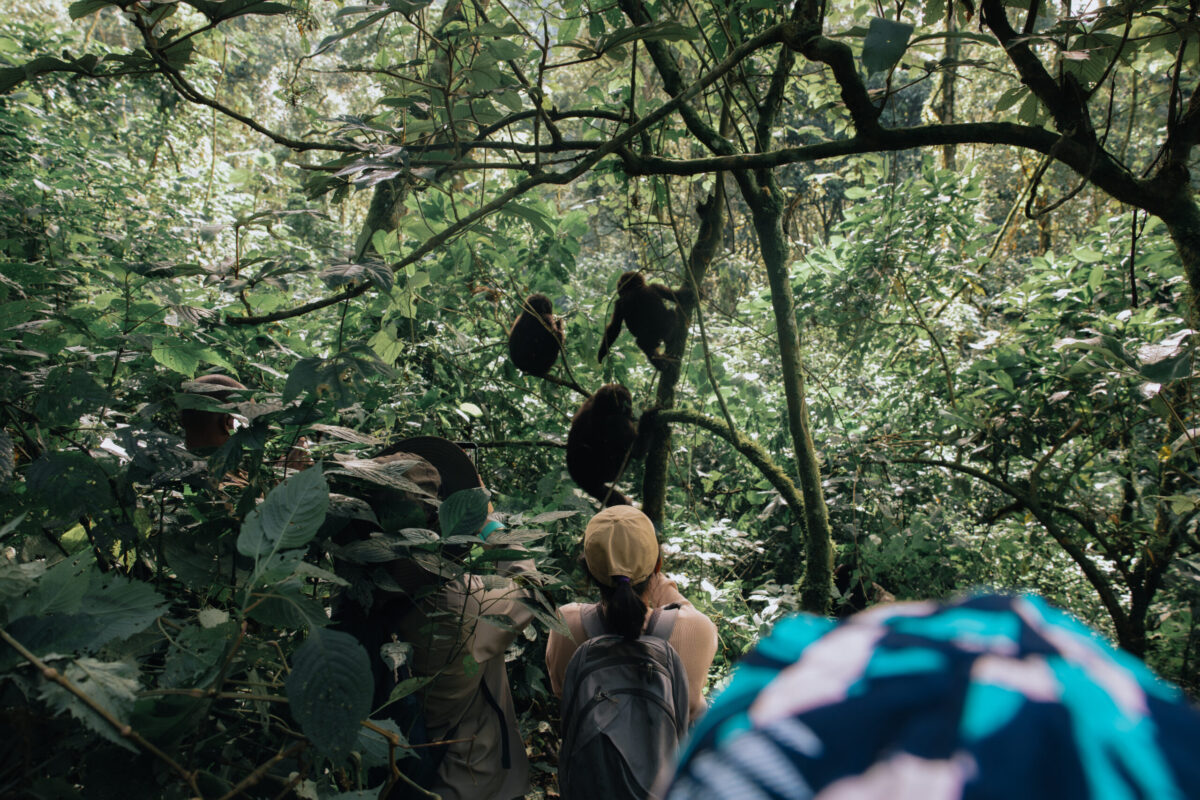
Separate from the standard one-hour trek, Uganda offers something no other gorilla trekking country does: the Gorilla Habituation Experience (GHEX). Instead of one hour with a fully habituated family, you spend up to four hours with a gorilla family that’s still in the process of becoming accustomed to human presence, alongside the researchers and trackers doing that work. It’s available only in Bwindi’s Rushaga sector, split across two gorilla families, with just eight permits issued per family daily.
The habituation permit costs $1,800 per person for foreign non-residents in 2026.
Because only eight permits exist per day across the whole park, habituation experience dates should be booked at least six months in advance, and earlier still if your travel falls within peak season (July–October and December–March). Waiting until a few weeks before your trip is one of the most common ways travelers miss out on this experience entirely.
Beyond the Permit: What Else You’re Paying For
The permit is the anchor cost, but it’s rarely more than half the total trip once everything else is added. Here’s every other line item.
Transport to Bwindi or Mgahinga
Most travelers reach Bwindi Impenetrable National Park from Kampala or Entebbe by road, which is roughly an 8–9 hour drive. Options:
- Private vehicle with driver-guide: The most common choice for organized safaris, at $270 per day.
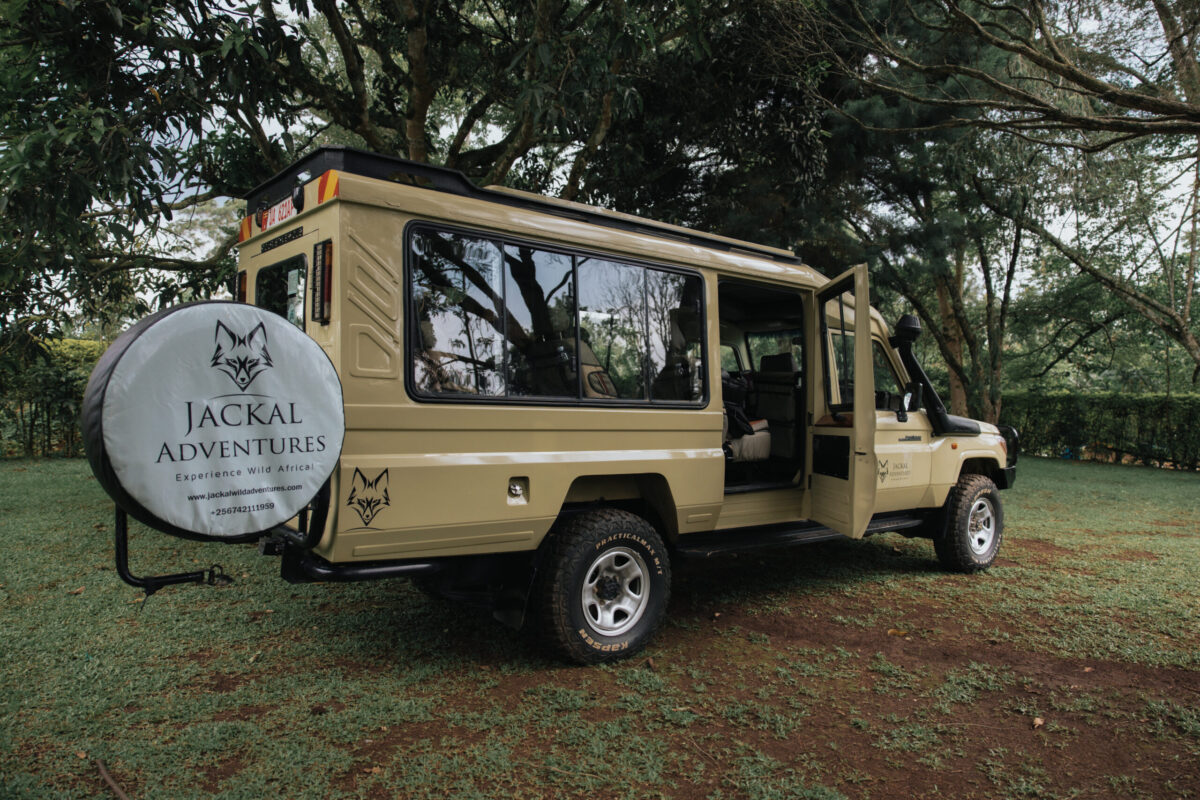
- Fly-in option: Domestic flights from Entebbe or Kajjansi to airstrips near Bwindi (Kihihi or Kisoro) cut travel time to under an hour, at $536 round trip.
- Self-drive: Less common for first-time visitors given road conditions in the southwest, but possible for confident, experienced drivers.
Accommodation
Lodging near Bwindi ranges from simple guesthouses to some of the most striking luxury eco-lodges in East Africa. Three tiers:
| Tier | What to Expect | Per Night |
| Budget | Guesthouses, basic en-suite rooms, simple meals.
Recommended: Rushaga Gorilla Lodge |
$200 (double) |
| Mid-range | Comfortable safari lodges, private cottages, full board.
Recommended: Ichumbi Gorilla Lodge |
$280 (double) |
| Luxury | High-end eco-lodges, premium views, full-service dining.
Recommended: Nkuringo Gorilla Lodge (or Gorilla Leisure Lodge as a more moderately priced luxury alternative) |
$1,264 (double)
$500 (double) |
Meals
Most mid-range and luxury lodges include full board (breakfast, lunch, dinner) in the nightly rate. Budget guesthouses may charge separately, plan on roughly $30 per day for meals if they aren’t bundled into your room rate. Mid-range and luxury travelers should still budget around $40 per day to cover lunch en route to or from the park on trekking days, since that meal typically falls outside the lodge’s included dining.
Porter Hire
Hiring a porter is optional but strongly recommended, even for fit trekkers. Bwindi’s terrain is genuinely demanding, trails are often steep and muddy, and porters are drawn from the local community, so the fee directly supports the people living around the park.
Porters cost $20 per day.
Tips
Tips are not included in the permit price, your lodge rate, or your tour package. They are a separate, additional cost that trekkers should budget for on top of everything above. As a guide:
| Who | Typical Tip (per group, per day) |
| Head ranger guide | $15–20 |
| Trackers | $10–15 (split among trackers) |
| Armed ranger/security escort | $10 |
| Porter | $20 |
| Driver-guide | $15 per day of driving |
Tipping in Uganda is customary but not obligatory, and these figures are a starting benchmark, not a fixed requirement. US dollars in small, clean bills (post-2009 notes) are the easiest way to tip, though Ugandan shillings are also accepted.
Uganda vs Rwanda: Why the Price Gap Exists
Uganda’s standard permit ($800) is nearly half the price of Rwanda’s ($1,500), which understandably makes many first-time trekkers ask why. In short: Rwanda deliberately prices its permits higher to limit visitor volume and position gorilla trekking as a premium, lower-impact experience, while Uganda’s larger number of habituated families (around 11 in Bwindi plus one in Mgahinga, versus fewer in Rwanda) and higher daily permit allocation keep the per-permit price lower. Uganda also offers more trekking sectors and the unique habituation experience, while Rwanda’s main advantage is proximity. Volcanoes National Park is roughly a 2–3 hour drive from Kigali International Airport, versus 8–9 hours from Kampala to Bwindi.
For a full side-by-side comparison of both countries, see our Rwanda vs Uganda Gorilla Trekking guide.
Tips for Saving Money on Your Gorilla Trek
- Travel in low season (April, May, November) for the discounted $600 permit. Just confirm your dates are firm first, since these permits can’t be rescheduled.
- Combine gorilla trekking with chimpanzee tracking in the same region to spread your transport cost across two wildlife experiences rather than one.
- Book a bundled package rather than piecing together permit, transport, and lodging separately. This typically works out more cost-effective than booking each component independently.
What’s Not Included in Any of the Above
To avoid surprises, these costs sit entirely outside the gorilla trekking budget itself:
- International flights to Entebbe
- Uganda visa fees
- Travel insurance (strongly recommended given the physical nature of trekking)
- Personal gear: hiking boots, rain jacket, gardening gloves for the forest, insect repellent
- Any pre- or post-trek extensions (Murchison Falls, Queen Elizabeth National Park, Zanzibar beach extension, etc.)
A Few Practical Things Worth Knowing Before You Go
This isn’t a full packing guide. We will be publishing a dedicated one closer to the time, but a few practical realities of the trek itself catch first-time visitors off guard, and they’re worth flagging here since they’re part of the experience you’re paying for, not just gear preferences.
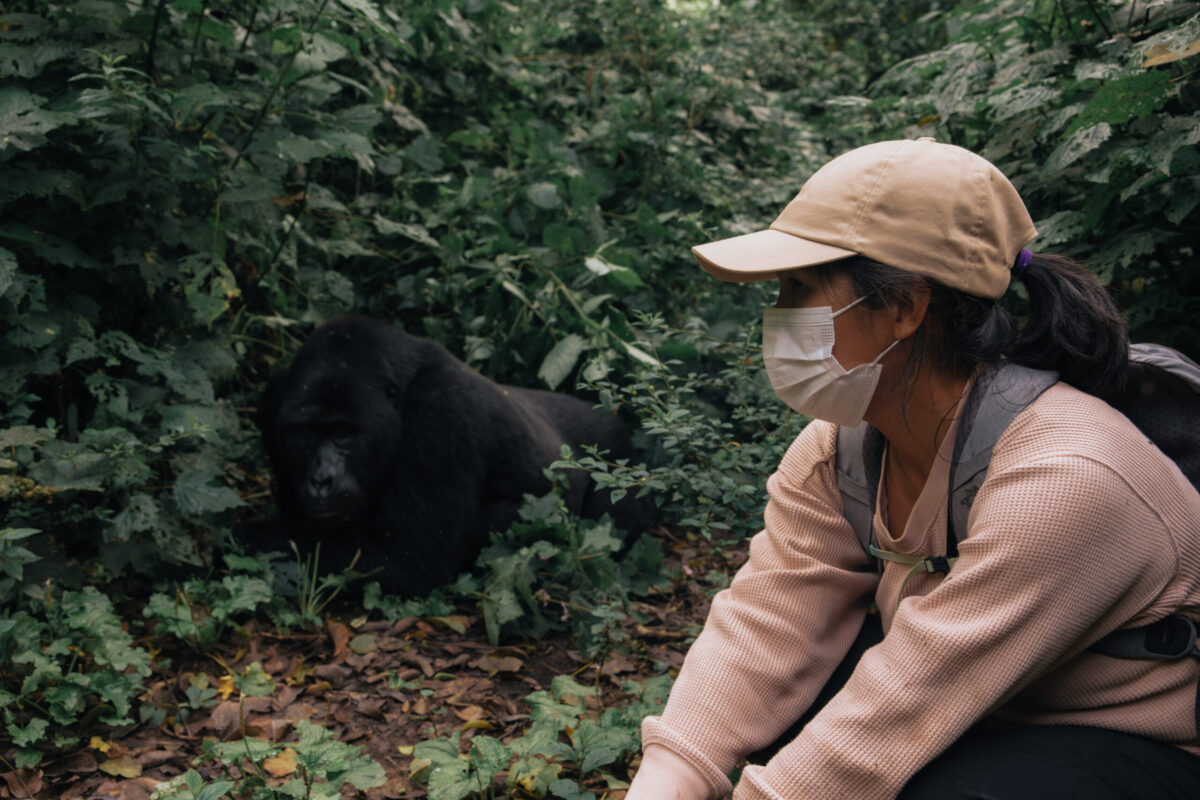
Face masks are required, not optional. To protect gorillas from human respiratory illnesses they have no immunity to, UWA requires all trekkers to wear a face mask during the park briefing and for the full hour spent with the gorilla family. You can remove it before and after that window, but it’s a hard rule during the encounter itself, enforced by rangers, not a suggestion.
Walking sticks are provided free at the trailhead. Both Bwindi and Mgahinga hand out sturdy wooden walking sticks at no extra cost before you set off, and most trekkers find them genuinely useful on the steep, often muddy terrain. If you already use your own trekking poles and prefer them, you’re welcome to bring them along. They are not required, just an alternative to what’s provided.
Gaiters are worth bringing because of the ants. Bwindi’s forest floor is home to safari ants (sometimes called driver ants) that can and do bite if they get inside your boots or up your trouser legs, and it’s a genuinely unpleasant surprise for trekkers who aren’t expecting it. Gaiters aren’t required, but they’re one of the most commonly recommended items by anyone who’s actually done the trek, and some lodges can loan a pair if you don’t own your own. At minimum, tucking your trousers into your socks helps.
Frequently Asked Questions
Is the gorilla permit refundable if I cancel?
Generally No, permits are non-refundable once booked, which is part of why the March 2026 full-payment rule makes early date certainty more important than ever.
What happens if permits sell out for my preferred date?
UWA no longer offers a standby system for walk-up trekkers. If your date is sold out, the realistic options are shifting to a nearby date or sector, or considering Rwanda as an alternative.
Can children go gorilla trekking?
UWA requires trekkers to be at least 15 years old. This is a hard rule, not a recommendation, enforced to protect gorillas from childhood illnesses like measles and mumps that they have no immunity to. There is no separate pricing tier for younger trekkers; anyone aged 15 or older pays the same $800 foreign non-resident rate (or $700/$500/UGX 300,000 depending on residency category) as any other adult.
Is the habituation experience worth the extra cost?
For trekkers who want more time observing gorilla behavior and are comfortable with a more demanding day, four hours versus one is a genuinely different experience, but it’s a different product, not simply an upgrade, and worth deciding on its own merits rather than treating it as “the deluxe version” of a standard trek.
How far in advance should I book?
For peak season (June–September, December–February), 6–10 months ahead is a reasonable target given limited daily permits. Low season dates can sometimes be secured with less notice.
First Time Visiting Africa? A Few Extra Questions Worth Answering
If Uganda is your first trip to the continent, the cost of gorilla trekking is usually only one of several unknowns on your mind. A few of the most common ones:
Do I need any vaccinations to visit Uganda?
A yellow fever vaccination certificate is required for entry into Uganda. Beyond that, routine vaccinations and malaria prophylaxis are commonly recommended. This is worth a conversation with a travel health clinic or your doctor well before departure, since some vaccines need to be given weeks in advance.
Is Uganda safe for first-time travelers?
Millions of tourists visit Uganda’s national parks every year without incident, and the tourism sector, including gorilla trekking, is well-established and tightly regulated. As with any international trip, ordinary travel precautions apply, and a reputable, licensed operator handling your logistics removes most of the uncertainty a first-time visitor might feel.
What language is spoken, and will I be able to communicate easily?
English is Uganda’s official language and is widely spoken, particularly in tourism and hospitality, as well as by park rangers and guides. You won’t need to know any Luganda or other local languages to get by comfortably.
Do I need a visa, and how do I get one?
Most foreign visitors need a Uganda visa, which can typically be applied for online in advance through the official e-visa portal, or in some cases on arrival. Visa costs and requirements are separate from and additional to everything covered in this article’s trip cost breakdown.
What currency should I bring, and are US dollars accepted?
US dollars are widely accepted for permits, lodges, and larger payments, though Ugandan shillings are useful for smaller purchases, tips, and local markets. Bills should be clean, unmarked, and printed after 2009, as older or damaged notes are often refused.
Will I have phone signal and internet access during the trek?
Mobile coverage is generally reliable in towns near Bwindi and at most lodges, though it can drop out inside the forest itself during the actual trek. Most mid-range and luxury lodges offer Wi-Fi; budget guesthouses may not.
Ready to Plan Your Uganda Gorilla Trek?
Every gorilla trekking budget looks a little different depending on your travel style, your dates, and how you want to experience Bwindi. If you’d like a real cost breakdown built around your specific dates and preferences rather than a general estimate, get in touch with the Jackal Adventures team. We will build a custom itinerary around your budget and travel window.
Send us an enquiry → or WhatsApp us directly: +256 742 111 959
Planning a gorilla trekking trip to Uganda or Rwanda? Our free Uganda vs Rwanda Gorilla Trekking Cost Guide, covering permit prices, accommodation tiers, transport and total trip budget examples, launches September 2026. Enquire now to be the first to receive it →